Getting a Good Deal on a Used Car

A lot of people think getting a good used-car deal just means paying less, but that's usually not the whole story. A cheap car can still turn expensive pretty fast if something starts acting up a week later. That is why people usually look past the sticker price, even if that number grabs attention first. Somewhere in that process, talking with an car broker in Denver, CO, can help because they tend to notice details most buyers miss.
There is also the part nobody likes much: slowing down before agreeing to anything. A car may look clean, drive fine, and even smell new inside, and still have things hiding beneath the surface. So the deal only feels good if the price, condition, and future costs all line up at least reasonably well.
Pricing and Negotiation Strategies
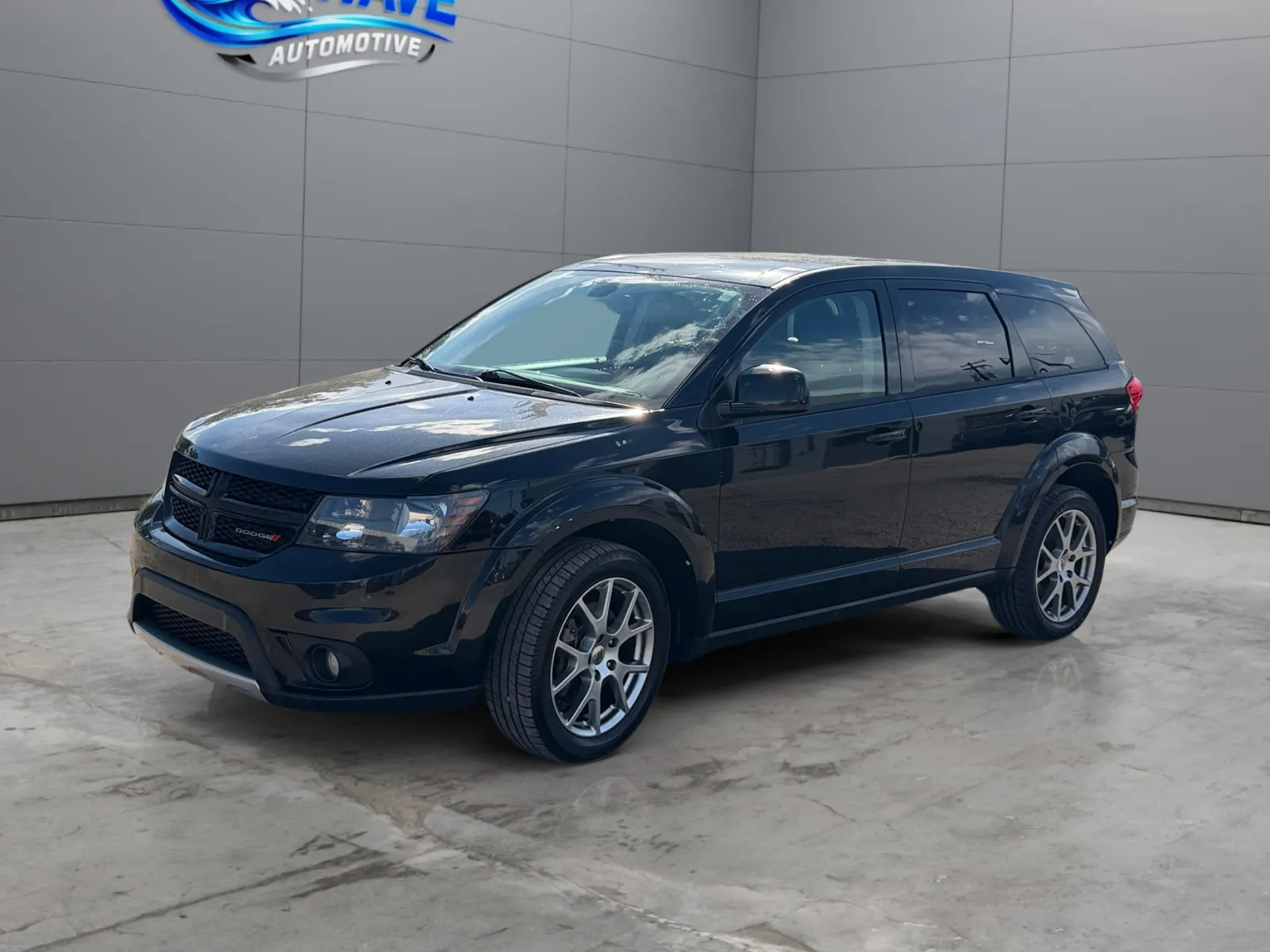
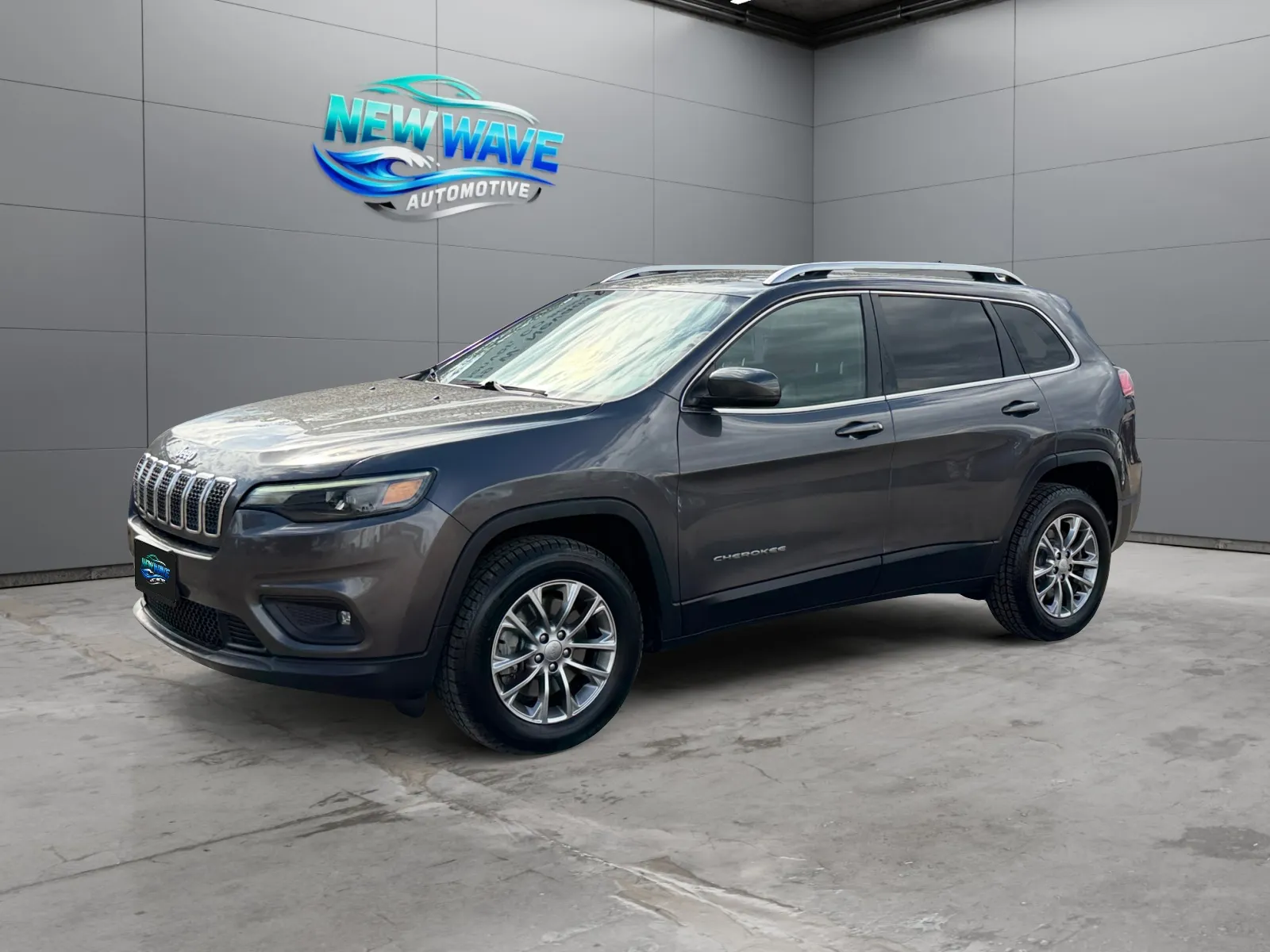
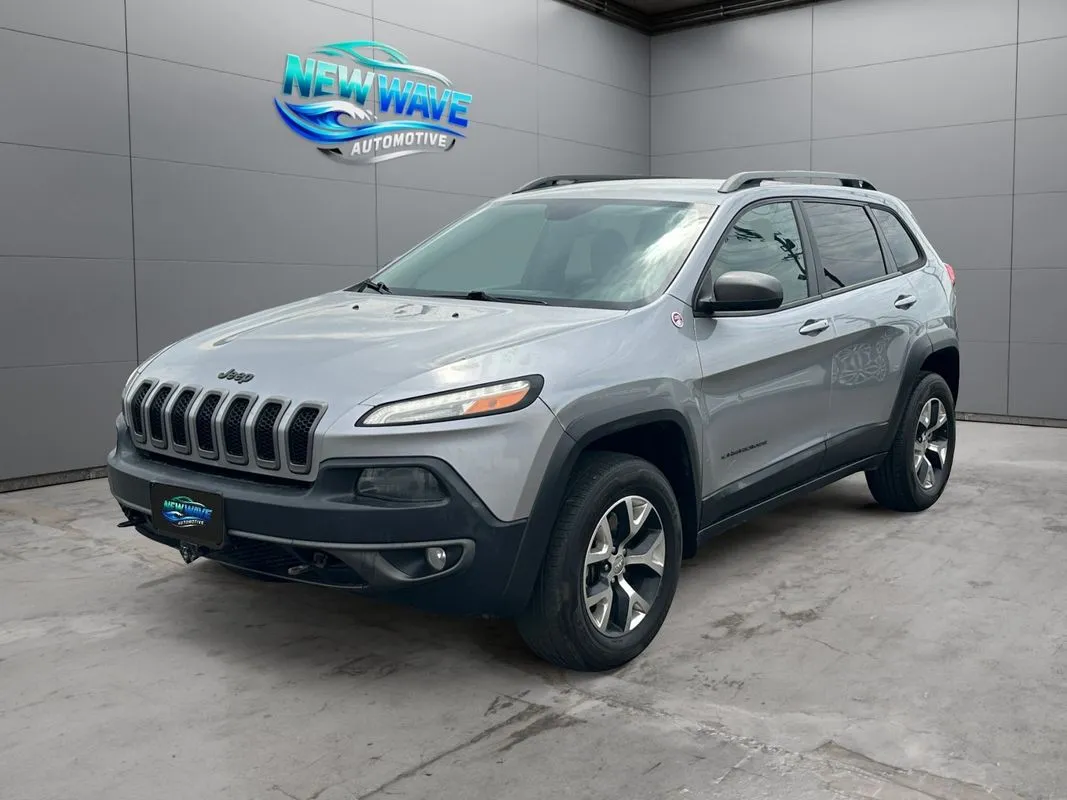
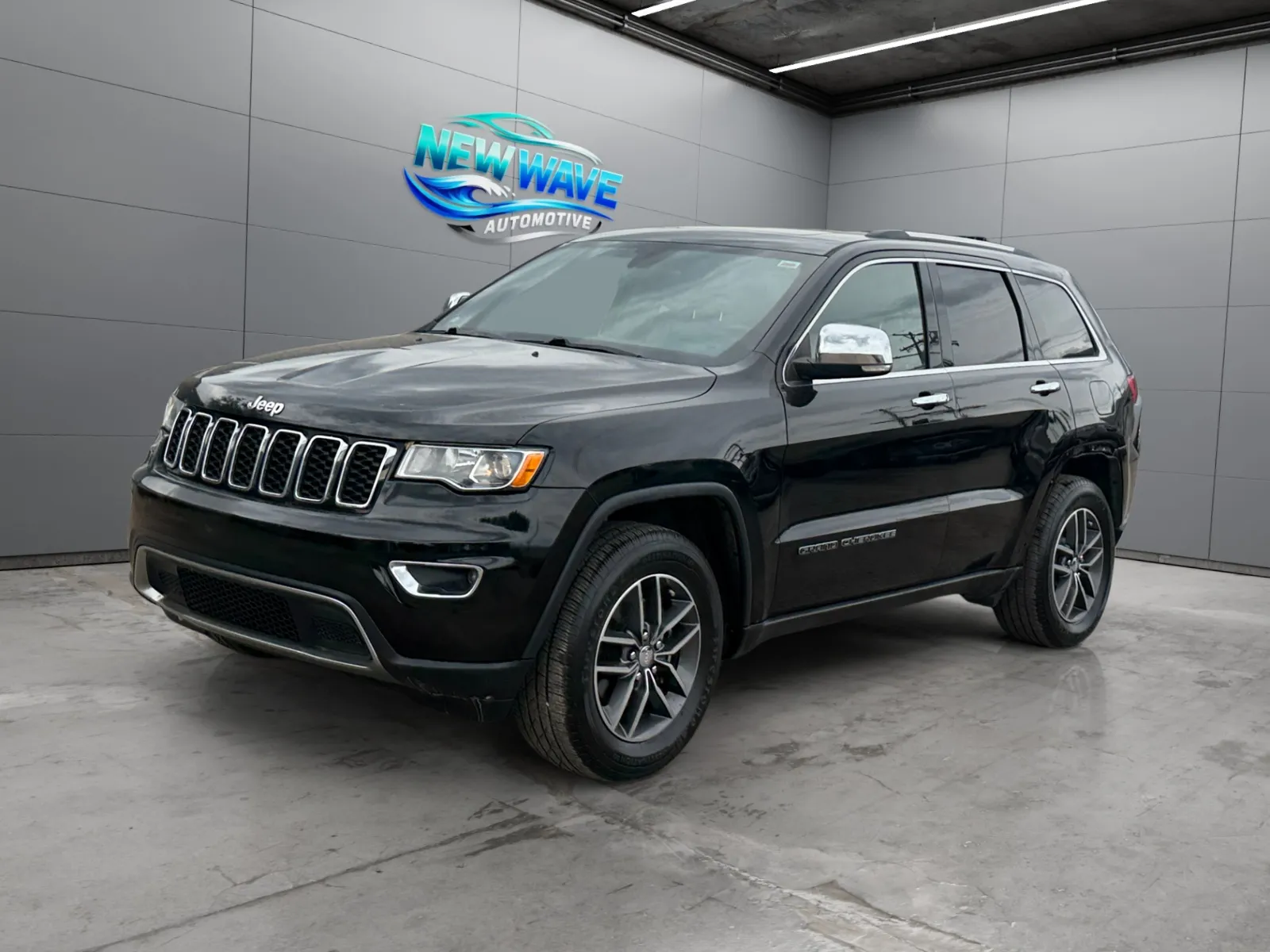
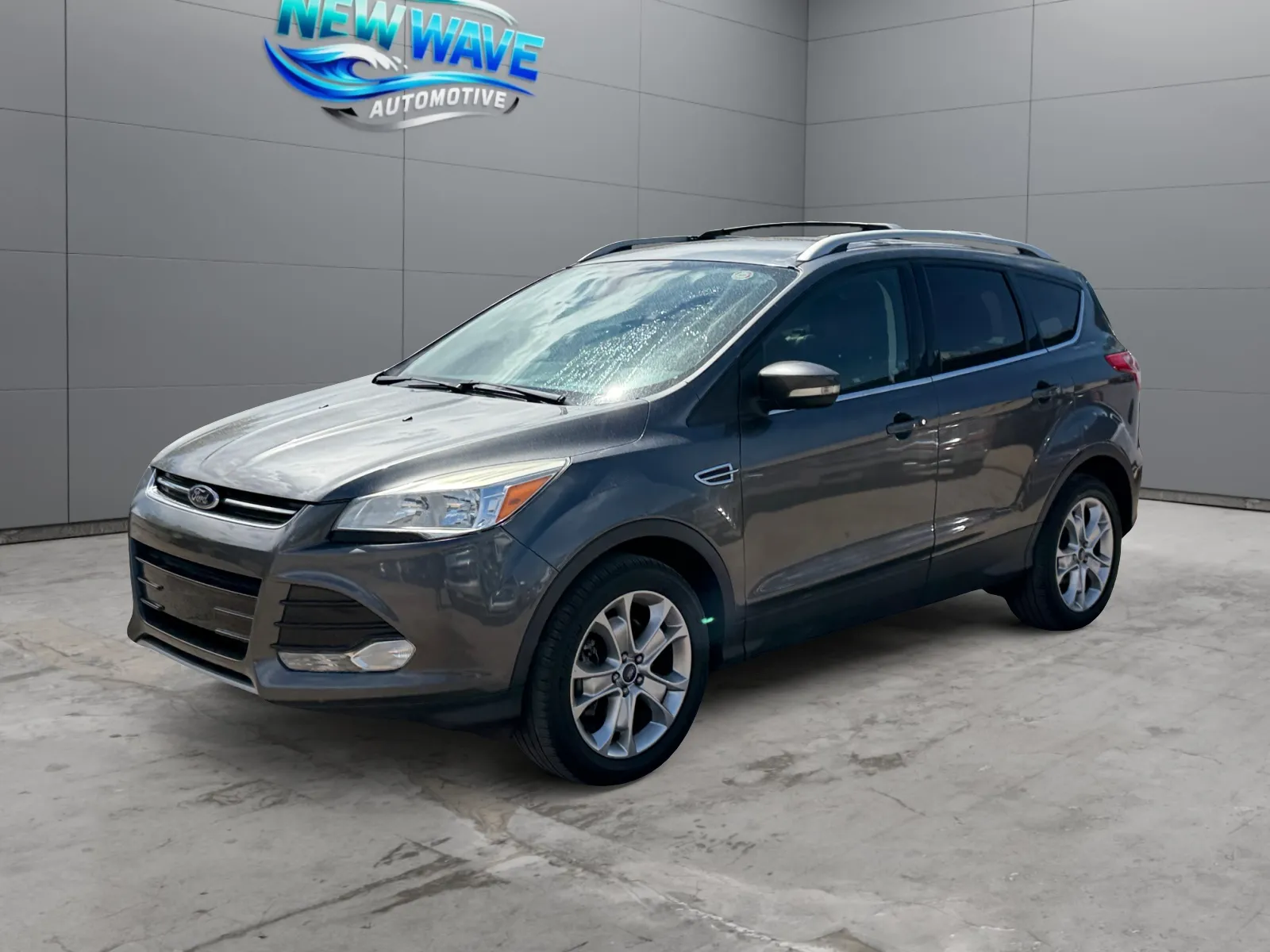
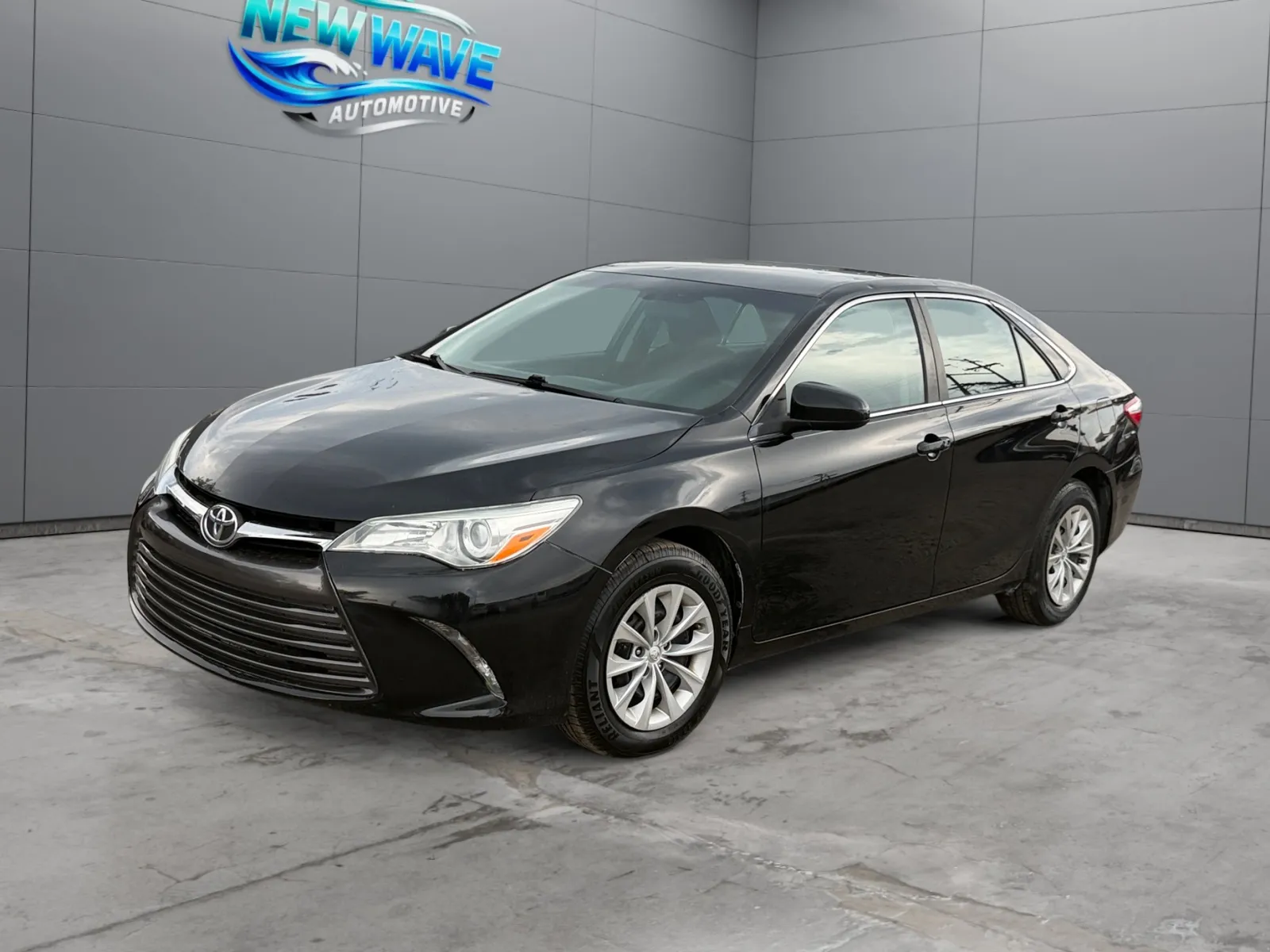
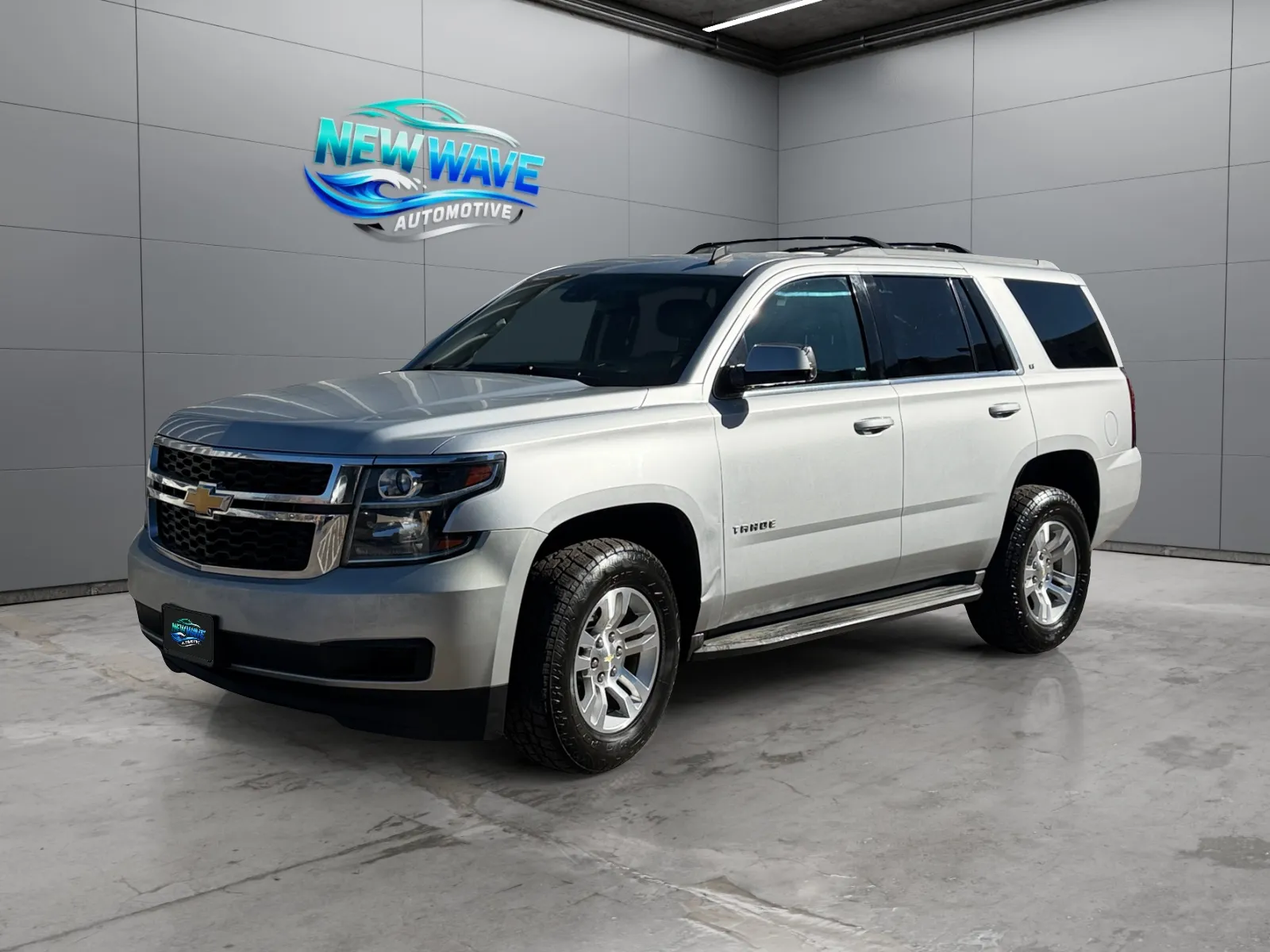
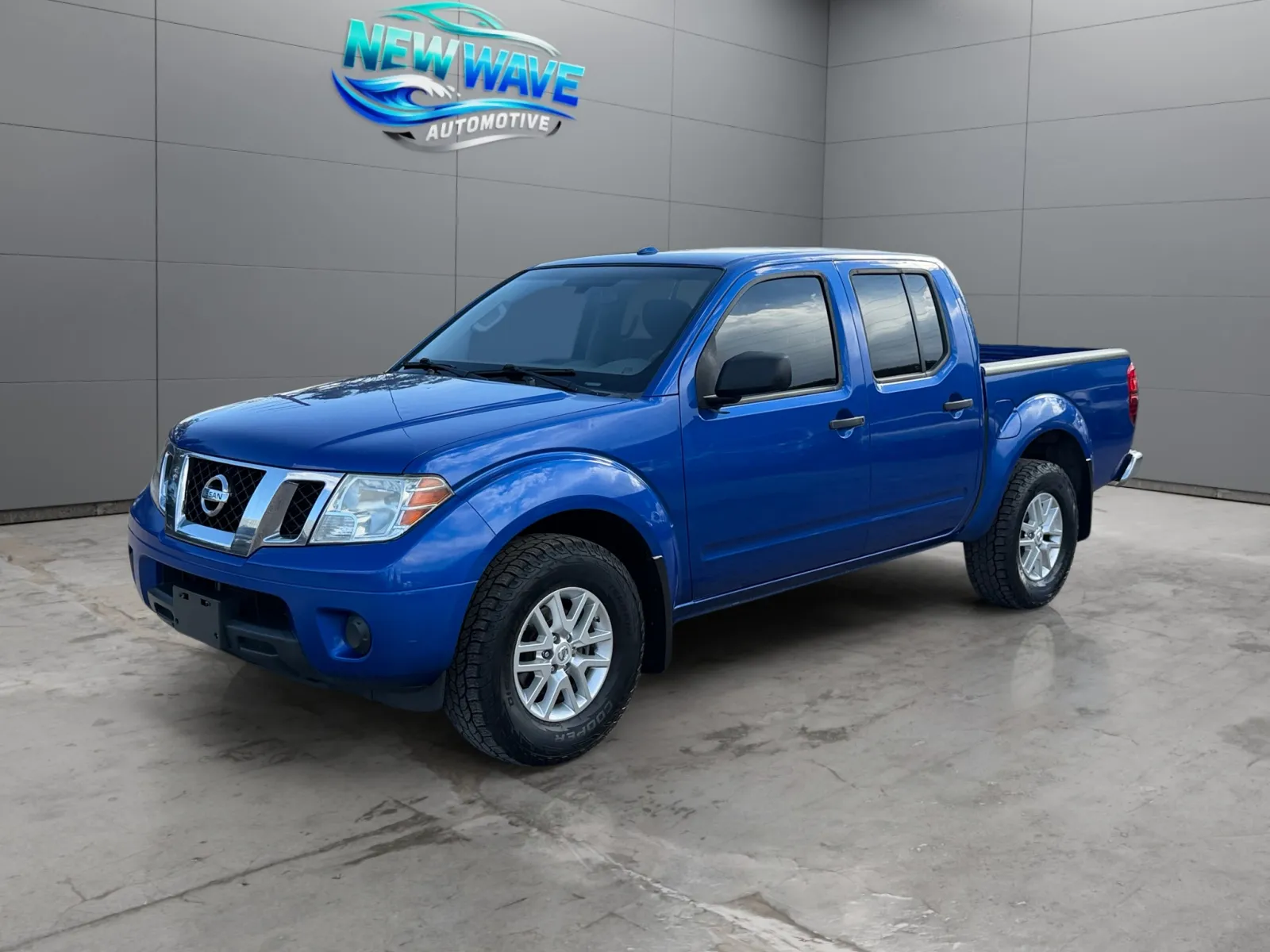
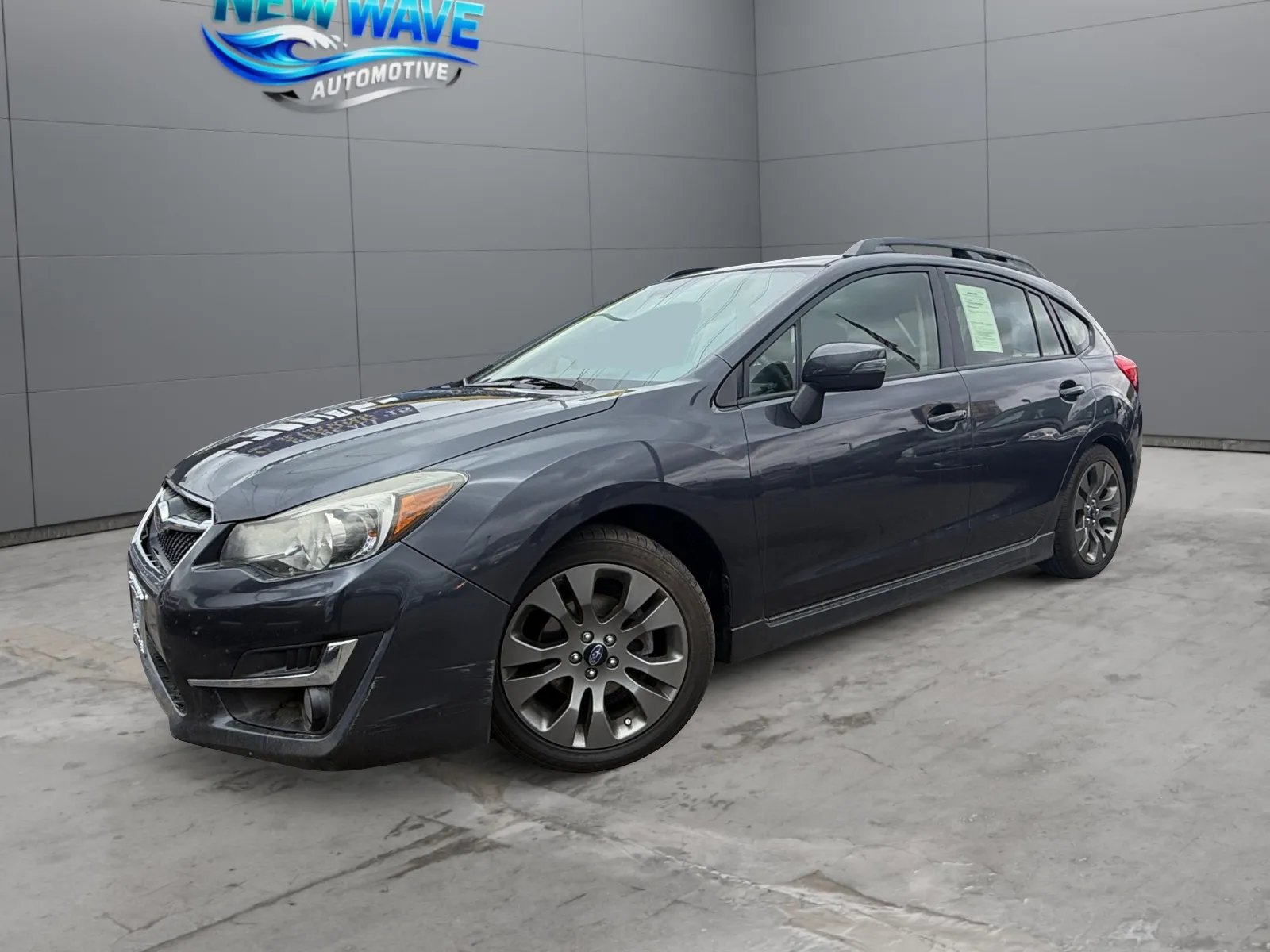
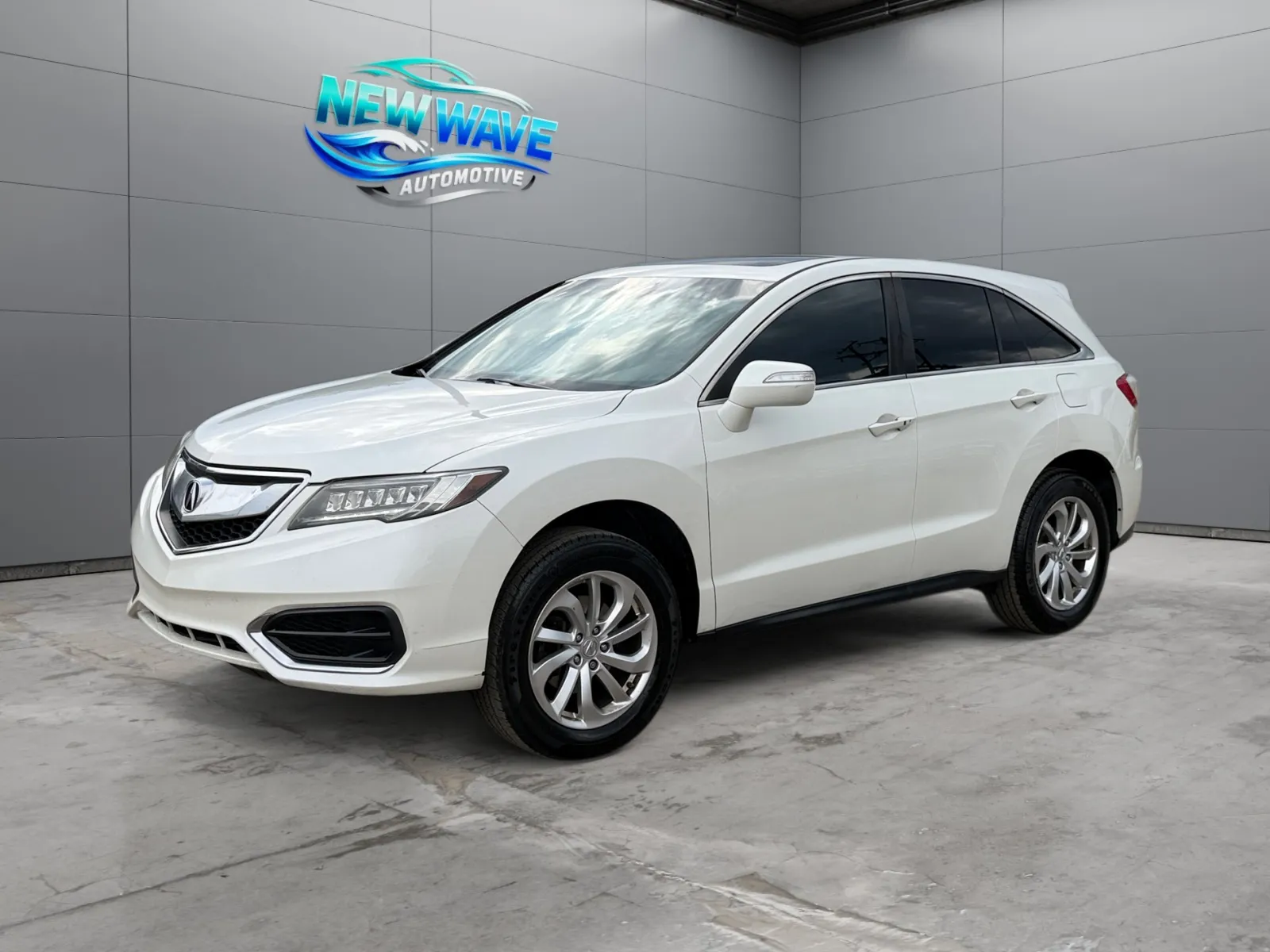
Price usually sets the mood early. Sellers often leave room in the number because they expect someone to ask for less, and honestly, that happens almost every time. Looking at similar cars nearby helps because local prices can shift a bit more than people expect. Checking our current cars for sale can give you a useful local price benchmark before you start negotiating.
It also helps to stay calm during the conversation, even if the car feels right from the start. Some buyers talk too quickly once they like something, and that weakens their position a little. A lower opening offer, nothing extreme, just realistic, often gives room to talk without making things awkward.
Sometimes the seller says no right away, then changes tone after a pause. That happens more than people think. Walking away, or even looking like you might, can change the discussion pretty quickly.
Vehicle Inspection and Maintenance Records
A clean exterior can distract people. It happens all the time. Shiny paint and fresh tires look convincing, but they do not tell the full story.
The mechanical side matters more, so checking brakes, engine response, steering feel, and even odd noises at idle is important. Tiny sounds sometimes mean nothing, sometimes not. That uncertainty is why inspection matters before emotions take over.
Maintenance records help, too, maybe more than buyers expect. Oil changes, fluid service, brake work, those little receipts tell a story. If the owner kept those papers, it usually says something about habits, and habits matter with used cars.
Understanding the Vehicle's History
The history report usually fills in the gaps that the seller forgets to mention. Or maybe avoids mentioning it. Accident records, title issues, and mileage inconsistencies- those things change how a deal should be viewed.
A car with one repaired accident is not automatically bad, but context matters. If repairs were done properly, maybe it is fine. If records look messy or incomplete, that starts to feel different.
Ownership history matters more quietly, too. Fewer owners often means fewer unknowns, though not always. Sometimes one careless owner creates more trouble than three careful ones.
Evaluating Warranty and Return Policies
Warranty details often get ignored because buyers focus so much on price first. Then later, they realize coverage was shorter than expected or barely covered anything useful.
Even a short warranty can help if major parts are included. Engine and transmission coverage matter more than minor add-ons that sound nice but rarely matter. Reading the actual wording helps, even if it feels slow.
Return policies matter, especially for used inventory. Some sellers allow a short return period; some do not at all. That one detail changes how comfortable a purchase feels after the paperwork starts.
Considering Additional Costs and Fees
The listed price is only part of what gets paid. Fees show up quickly, and they can add more than buyers expect.
Registration, tax, and paperwork charges, those all stack together quietly. Then maybe insurance changes, too, depending on the vehicle. A cheap car can stop looking cheap once those pieces land on paper.
Small repair costs after purchase should also be considered. Tires, fluids, battery age, and brake wear are ordinary but still cost money. It adds up a bit faster than people think.
Researching Market Value and Resale Potential
Market value helps keep expectations realistic. If one car costs much less than similar listings, there is usually a reason, even if it's not obvious yet.
Checking the resale value helps, too, because some cars lose value slowly while others drop fast. That matters later, especially if the car only stays with you for a few years.
A reliable brand usually helps, though model history still matters more than logos sometimes. People often focus on making it first, then later realize one specific model had issues for years. So yes, resale matters now, even before buying.
Related Topics: