Essential Tire Check for Buyers
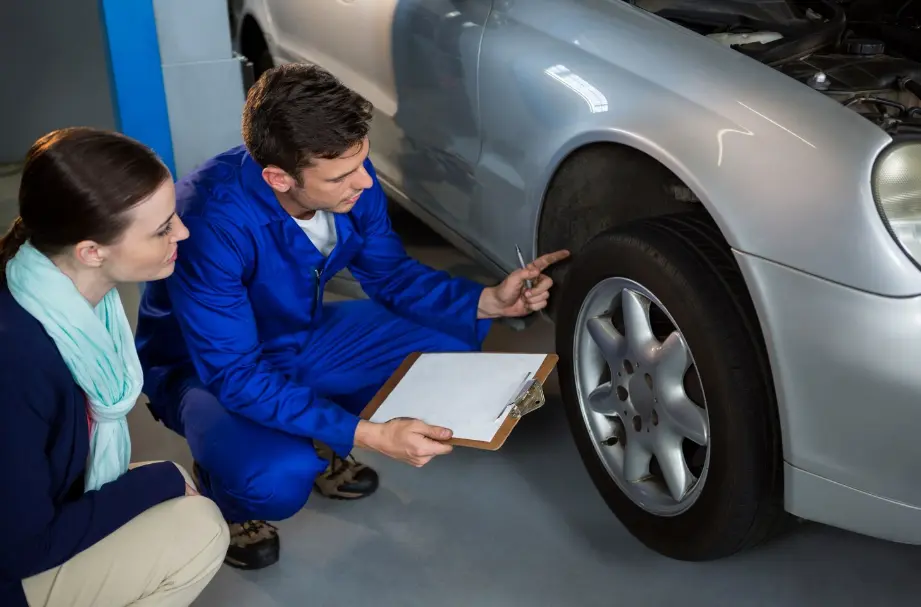
Buying a used car? Tires are one of those things people kind of overlook, but they’re actually really important. A quick look at the tread or sidewalls might not tell the full story. Getting a local car broker or even just knowing what to look for yourself can save a lot of headaches later. Honestly, checking the tires is like checking the car's heartbeat; you’ll know if it’s in good shape or hiding issues.
Even if the tires look fine at first glance, small cracks or uneven wear can mean trouble down the road. It’s worth taking a few extra minutes to inspect them properly. You’ll feel more confident driving a car that’s already kind of been vetted in this way.
Tire Tread Depth Measurement
Measuring tread depth is the first step in a proper tire check. You can use a small tread depth gauge for this; it’s simple but really useful. Press it into the grooves and read the number; anything 2/32 inch or less means it’s time to replace the tire.
Tread affects grip, braking, and even fuel efficiency. So yeah, it’s kind of a big deal. A tire that looks okay but has low tread can turn your smooth drive into a risky one, especially on wet or icy roads.
Checking for Uneven Wear Patterns
Uneven tire wear can tell you a lot about a car’s history. If the edges are worn more than the center, the tires may have been underinflated. Cupping or scalloped patterns? It could be suspension issues.
Even small feathering or other irregularities might hint at misalignment. Catching these early helps you avoid surprises and expensive repairs. Honestly, looking at the tires this way is like reading the car’s diary, if you think about it.
Inspecting for Signs of Damage
Next, check for any damage. Cuts, bulges, cracks, and even tiny punctures can be warning signs. Sometimes debris can embed itself in the tread, leading to a flat or, worse, a blowout.
Also, glance at the valve stems and the inner liner if you can. They matter for pressure and integrity. It’s easy to miss, but catching it now can save you trouble later.
Verifying Proper Tire Inflation
Correct inflation is surprisingly important. Use a reliable pressure gauge and check against the manufacturer’s PSI recommendation. Do it when the tires are cold; heat from driving throws things off.
Underinflated tires wear faster, handle worse, and waste gas. Overinflated tires give a bumpy ride and risk blowouts. Just keeping pressure in check keeps the car safer and more comfortable, and it’s so simple to do.
Evaluating Tire Age and Condition
Tire age is another factor people often ignore. The DOT code shows the week and year of manufacture. Even if the tread looks okay, tires over six years old may need replacing.
Check sidewalls for cracks or bulges, measure tread, and make sure pressure is correct. Doing this helps you spot tires that might fail sooner than expected. It’s kind of like giving the car a quick health check.
Considering the Overall Tire Health
At the end of the day, good tires are about safety and performance. Look at tread, wear patterns, sidewalls, and inflation together. Think about tire age, too. Old tires can be risky, even if they look fine.
Taking these steps ensures you’re not driving away with a hidden problem. A careful tire inspection makes the whole buying experience less stressful and the car much safer to drive. It’s really just smart sense before handing over your money.
Related Topics: