Simple Steps to Remove Water Spots From Your Car
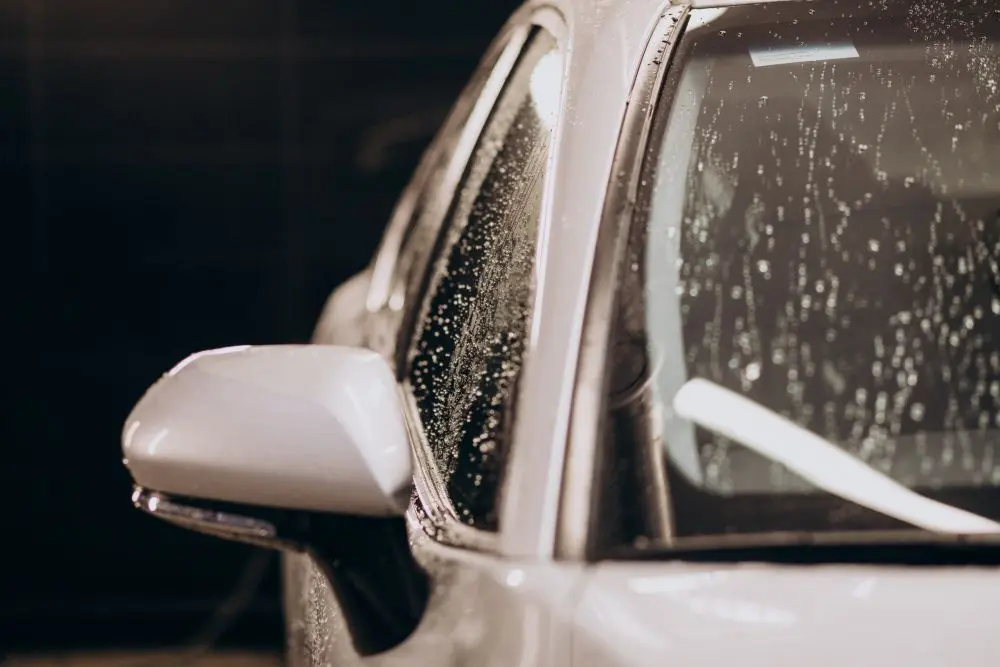
Water spots can make even a well-maintained car look neglected. These mineral deposits form when water evaporates, leaving calcium and other residues on your paint and glass. Denver's reliable car broker knows that keeping your vehicle spotless matters, especially when resale value is on the line. The good news is that removing water spots doesn't require expensive detailing. This guide walks you through the process using simple supplies you probably already have at home.
Gather Necessary Supplies
Getting your supplies together is the first step to tackling water spots. You'll need white vinegar, distilled water, a microfiber cloth, a bucket, and a spray bottle. White vinegar works great for breaking down mineral deposits left behind by hard water. Mix equal parts vinegar and distilled water in the spray bottle. Make sure your microfiber cloth is clean to avoid scratching your car's surface. It should be soft and absorbent enough to gently wipe away spots. Keep a bucket of clean water nearby to rinse your cloth between wipes.
Wash the Car Thoroughly
A proper wash comes before any spot treatment. Start by rinsing the car with water to knock off loose dirt and debris. Use a car-specific soap and a microfiber wash mitt to gently scrub the entire surface, making sure you cover every area. Pay extra attention to spots where watermarks appear on most windows, side mirrors, and the hood. Rinse off all the soap so no residue gets left behind, which could cause more spotting. You can use a foam cannon or pressure washer to loosen stubborn grime. Once the car is clean and rinsed, dry it completely with a fresh microfiber towel to stop new spots from forming.
Apply Vinegar Solution
The next step is hitting those water spots with a vinegar solution. Vinegar's acidic properties help break down the mineral buildup that causes spots. Mix equal parts white vinegar and water in a spray bottle and lightly mist the affected areas. Let the solution sit for a few minutes so it can work into the spots. Then use a microfiber cloth to gently wipe the area in circular motions. Repeat if needed until the spots are gone. Vinegar is strong enough to handle stubborn marks but gentle enough to leave your car's finish untouched.
Use a Clay Bar
For spots that won't budge, a clay bar can do the trick. A clay bar is a detailing tool that pulls contaminants off your car's surface. Start by washing and drying your car completely. Knead the clay bar into a flat shape, then gently glide it over the problem areas. The clay picks up any leftover water spot residue and leaves the surface smooth. Fold the clay bar often to expose a fresh side as you go. This method removes stubborn spots and restores your car's finish to a clean, polished look.
Polish the Affected Areas
A quality car polish removes any remaining traces of water spots. Make sure the surface is clean and dry before you start. Put a small amount of polish on a clean microfiber cloth or applicator pad. Work the polish into the affected spots using gentle circular motions. Let the polish dry to a haze, then buff it off with another clean microfiber cloth. Repeat if you still see spots. Follow the directions on your specific polish for the best results. Polishing restores shine and clarity by smoothing out imperfections caused by water damage.
Wax the Car for Protection
A layer of wax protects your car's surface and helps prevent future water spots. Wax creates a barrier that shields the paint from contaminants and keeps water from leaving marks. Here's how to do it right:
- Choose a High-Quality Car Wax: Opt for a trusted brand that provides long-lasting protection.
- Clean the Surface Thoroughly: Remove any dirt or residue before waxing to achieve a smooth finish.
- Apply Wax in a Thin, Even Layer: Use a wax applicator pad and work in small sections for better coverage.
- Buff the Wax Off: Once the wax dries to a haze, buff it off with a clean microfiber cloth for a glossy, protected surface.
Related Topics: