Tips for Touching Up Car Paint Like a Pro
Touching up car paint yourself can save money and keep your ride looking sharp between professional detailing sessions. The process takes some patience, but getting good results at home is totally doable with the right approach. This guide covers everything from picking the correct paint color to applying the final clear coat. Even a reputable car broker will tell you that well-maintained paint adds real value when it's time to sell. Follow these steps to handle minor chips and scratches without a trip to the body shop.
Choosing the Right Touch-Up Paint
Always match the touch-up paint to your car's exact color code from the manufacturer. You can find this code on a sticker in the door jamb, trunk, or under the hood. Using this code guarantees the paint matches your vehicle's specific shade. Once you have the code, grab the touch-up paint from an authorized dealer or a solid automotive store. Go with high-quality paint for the best finish. Consider whether you need a base coat, a color coat, and a clear coat for the job. Getting the right products upfront makes the whole process go smoother.
Preparing the Surface for Painting
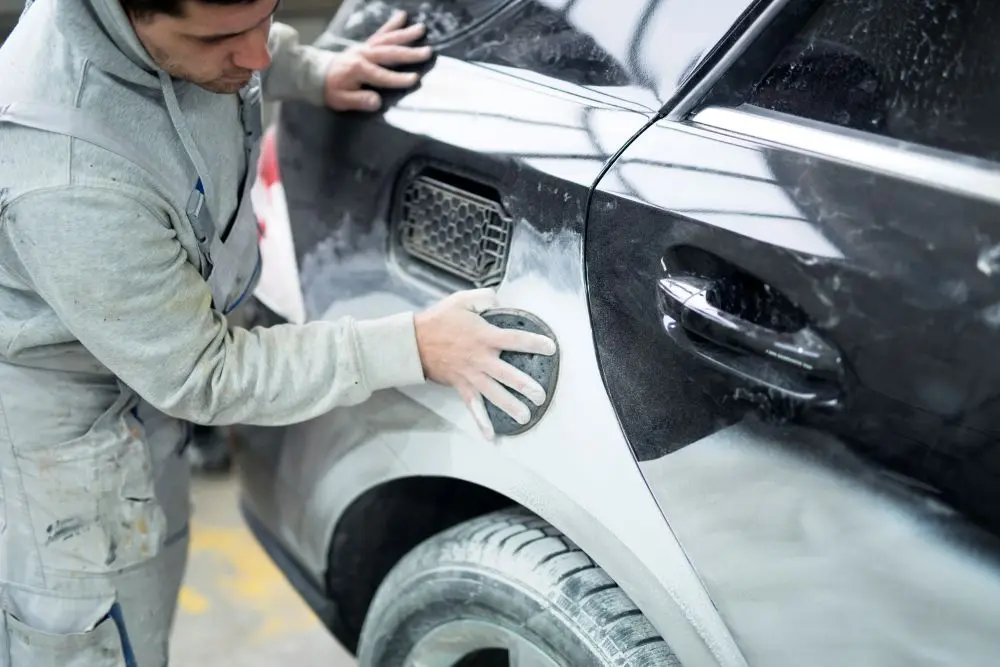
Good prep work makes or breaks a touch-up job. Start by washing the damaged spot with mild soap to remove dirt, grease, and wax buildup. Then use a wax and grease remover to make sure the surface is completely clean so the paint sticks properly. Lightly sand the area around the damage with fine-grit sandpaper to create a smooth base. Wipe everything down with a clean, damp cloth to clear away any dust or debris. Let the surface dry completely before you start painting. Skipping any of these steps usually results in paint that peels or appears uneven.
Mastering the Paint Application Technique
Applying touch-up paint takes a steady hand and some patience. Shake the paint well before starting, and use a fine-tipped brush for accuracy. Put down thin layers instead of trying to cover everything in one pass. Let each coat dry completely before adding the next one. Feather the edges of the new paint so it blends into the existing finish without a hard line. Rushing through this part causes uneven results and visible touch-up marks. Check that the paint is compatible with your car's surface to avoid adverse reactions. Practice makes a difference here, so take your time.
Blending the New Paint With the Old
Getting the new paint to match the old takes attention to detail. Clean the area thoroughly to remove any dirt before you start blending. Apply the new paint in thin layers that overlap slightly onto the original finish. Use a feathering motion at the edges to blend the colors. Match the texture of the existing paint, not just the color, for a consistent look. Step back regularly to check your progress and adjust as needed. The goal is to make the repair invisible to anyone who isn't looking for it.
Allowing Sufficient Drying Time
Don't rush the drying process between coats. Skipping this step leads to bubbling, smudging, or uneven finishes that ruin all your prep work. Follow the paint manufacturer's directions for recommended dry times, as they vary based on humidity, temperature, and paint type. Plan on waiting 15-30 minutes between coats, on average. Give the final layer plenty of time to cure completely before touching or working on it further. Patience here pays off with a finish that actually lasts.
Finishing Touches and Maintenance
After the touch-up paint cures fully, add a clear coat or sealant to protect your work and extend its life. This step improves the repair's appearance and protects it from weather and road grime. Make sure the clear coat is compatible with your touch-up paint, and follow the product instructions for best results. Going forward, wash and wax your car regularly to maintain the overall paint condition. Staying consistent with upkeep preserves your touch-up work and keeps the whole car looking good for years.
Related Topics: