Suburban vs City Car Buying Tips for Denver Residents
Table of Contents
- How Your Neighborhood Changes What You Need in a Vehicle
- Parking and Maneuverability in Denver's Urban Neighborhoods
- Suburban Denver and What the Driving Actually Looks Like
- Where AWD Makes Sense and Where It Does Not
- Budget Realities for City vs Suburban Buyers
- Matching the Right Vehicle to Your Denver Life at New Wave
- Frequently Asked Questions About Choosing a Vehicle for Denver Living

Denver is not one car market, not even close. A buyer living in Capitol Hill and biking to work three days a week has pretty different needs than a family out in Highlands Ranch juggling two school runs and a Costco run every week. Honestly, the mistake a lot of buyers make is shopping for what looks good rather than what their actual driving demands.
This guide is for people who want to match their car to how they actually live, not how they picture themselves living someday. If you want that sorted out properly, working with a licensed auto broker like our team at New Wave Auto Brokers and Sales makes the whole process a lot easier.
How Your Neighborhood Changes What You Need in a Vehicle
Where you park, how far you drive, and whether mountain access is a regular part of your week are the three variables that matter most in any Denver vehicle decision.
City residents typically deal with on-street parking, shorter daily distances, and a greater likelihood of using public transportation for at least some trips. Suburban residents are more likely to drive longer daily distances, park in a garage or driveway, and rely on their vehicle for almost every trip.
These differences do not always lead where buyers expect. City residents sometimes overestimate how much vehicle they need, ending up with a full-size SUV that never carries more than one person and proves frustrating to park on a narrow Capitol Hill side street.
Suburban residents sometimes underestimate their needs, buying an efficient sedan that works perfectly until the first ski weekend reveals it does not have the clearance or traction for Loveland Pass in February.
Parking and Maneuverability in Denver's Urban Neighborhoods
Parking is one of the least glamorous parts of car ownership and one of the most consequential ones for daily satisfaction. Denver's urban neighborhoods, including the Highlands, RiNo, Sunnyside, Capitol Hill, and Congress Park, have a mix of permit parking zones, limited street parking, and narrow alleys where maneuvering a large vehicle becomes a daily test of patience.
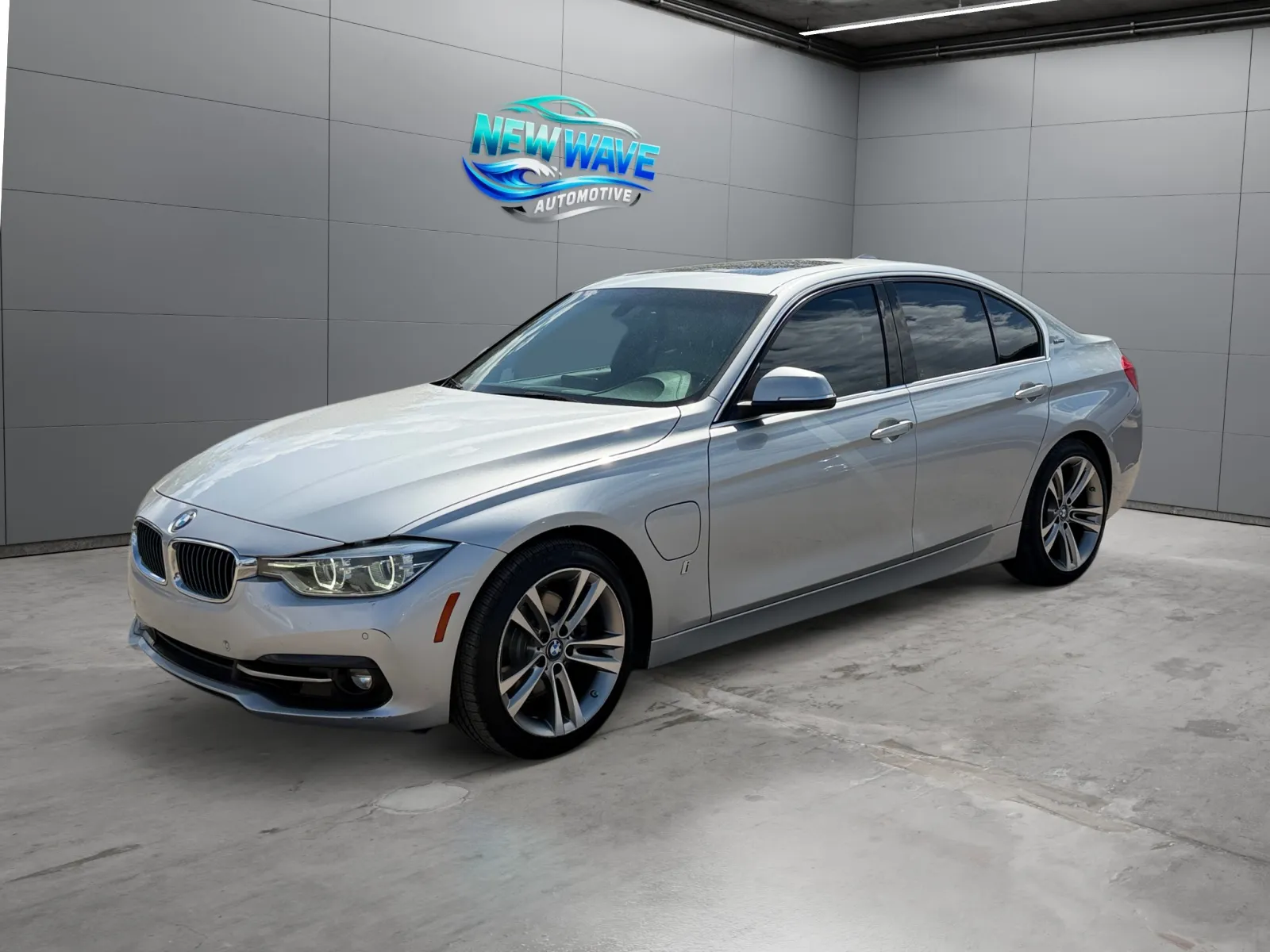
A shorter wheelbase, tighter turning radius, and lower overall dimensions make city driving meaningfully less stressful. Compact cars and smaller sedans shine in this environment not because they are exciting choices but because they fit the physical reality of the streets.
If you have a garage or a dedicated parking space, that constraint eases, but if your car lives on the street, a vehicle you can parallel park confidently on the first attempt is worth more day-to-day than one that impresses on the highway.
Suburban Denver and What the Driving Actually Looks Like
Suburban Denver driving, whether in Littleton, Lakewood, Centennial, or Aurora, typically involves longer highway stints, wider parking lots, and the kind of open roads where highway comfort and fuel economy at speed matter more than tight-space parking ability.
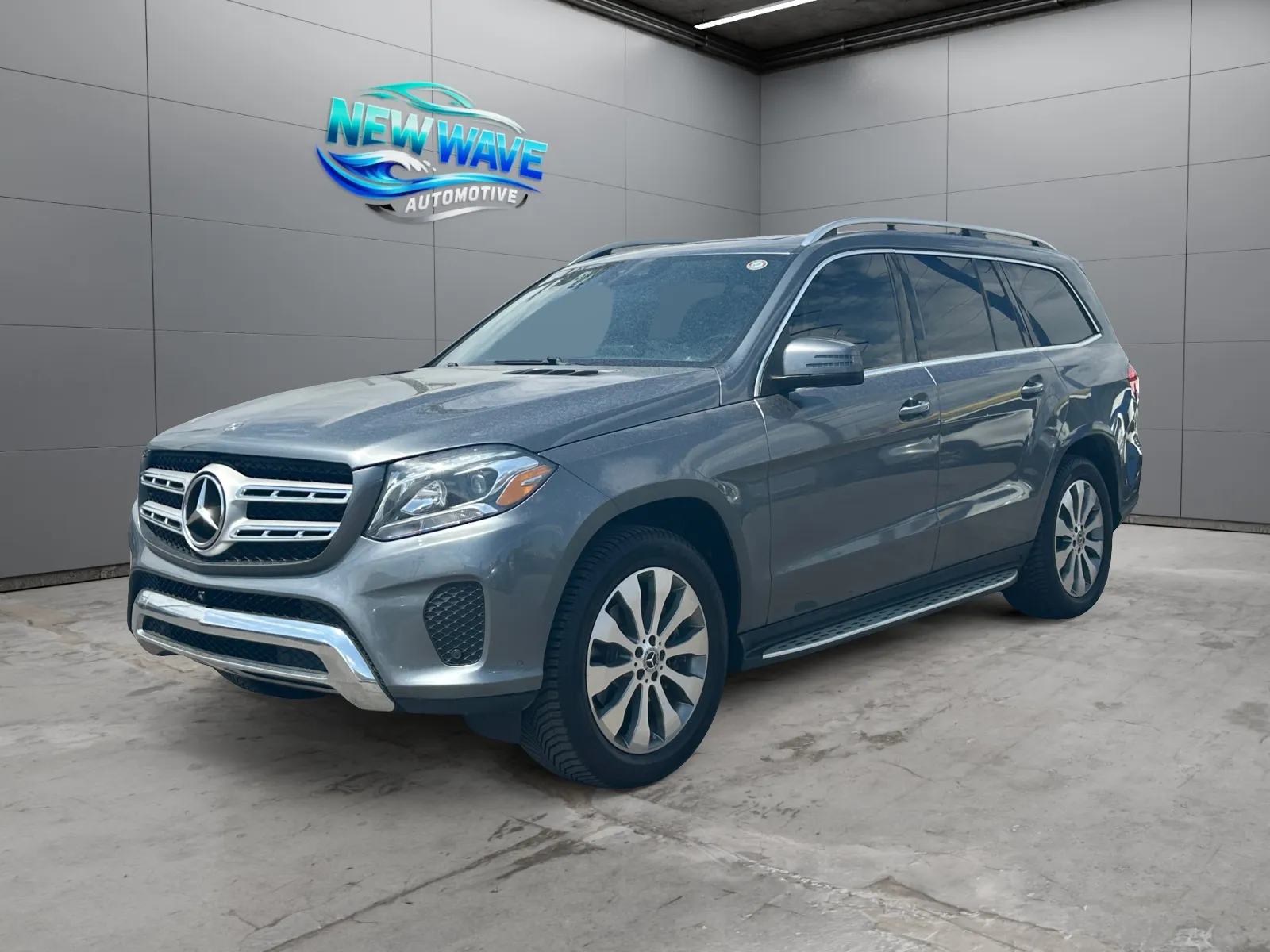
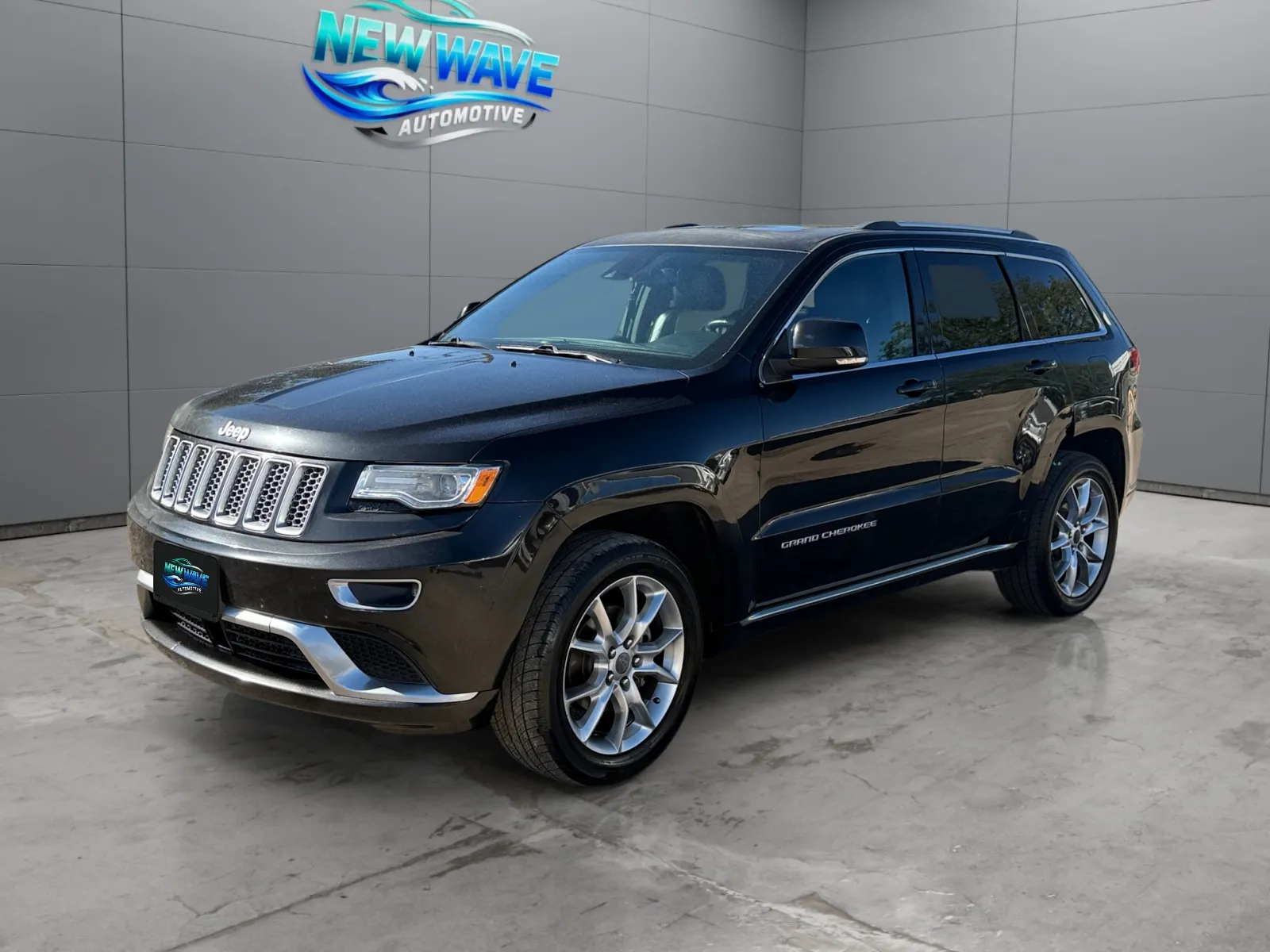
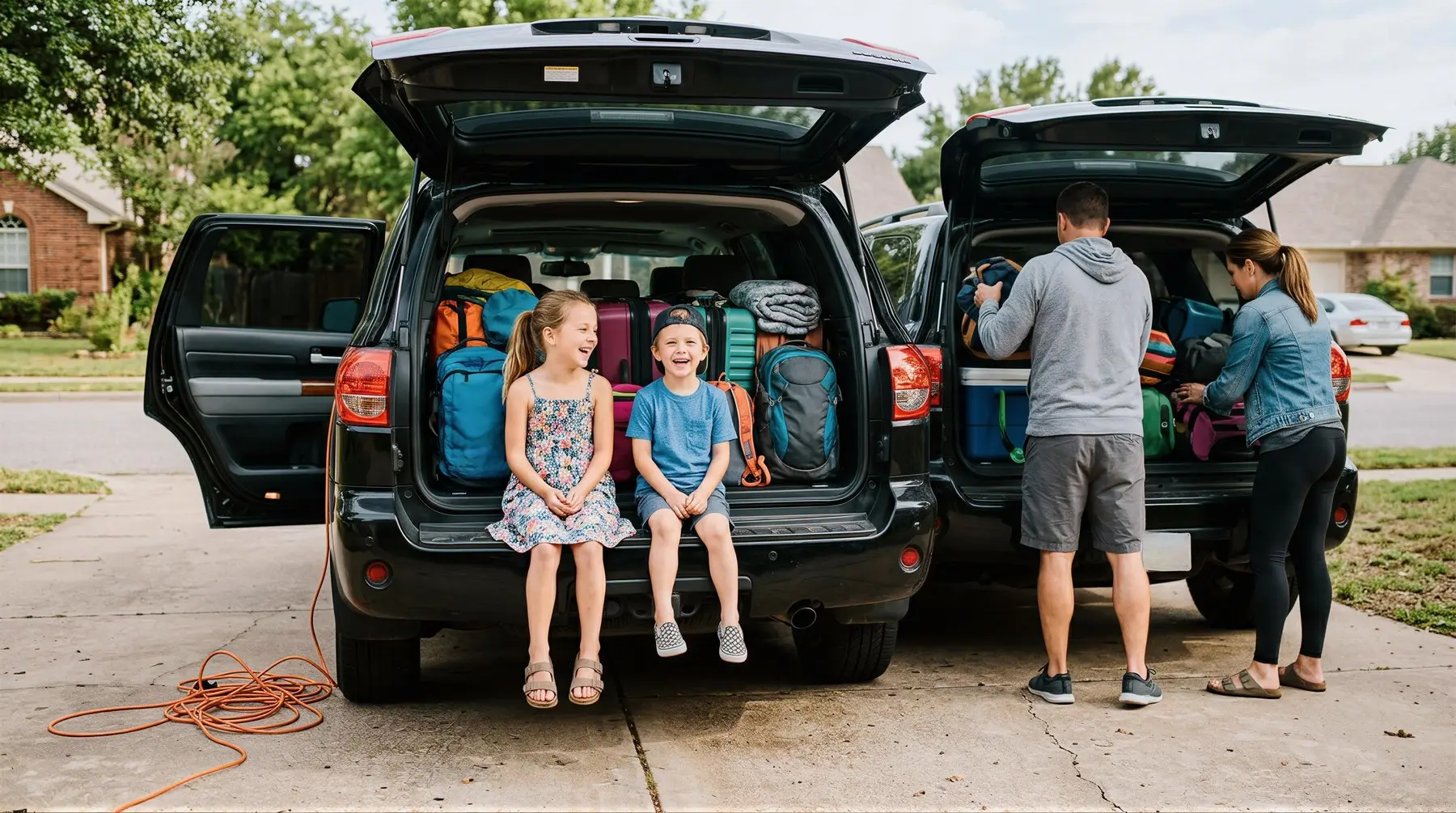
Families in these areas are often hauling multiple passengers, sports equipment, or grocery runs for larger households, which puts cargo space and seating capacity on the priority list in ways city buyers rarely need to consider, making SUVs and larger crossovers a natural fit for these households.
The other consideration for suburban buyers is the mountain access question. Residents of South Denver suburbs are closer to Evergreen, Conifer, and the I-70 mountain corridor than many of their city counterparts in terms of how often they realistically make that drive.
A family in Highlands Ranch that skis eight weekends a year has a clear case for AWD or 4WD. A single person in LoDo who makes it to the mountains twice a season may manage well with a front-wheel-drive vehicle and a quality set of winter tires.
| Factor | City Driving | Suburban Driving |
|---|---|---|
| Parking | Street parking, permit zones, narrow alleys | Garage or driveway, wider lots |
| Daily distance | Shorter trips, more transit use | Longer commutes, higher annual mileage |
| Best vehicle fit | Compact cars, smaller crossovers | SUVs, trucks, larger crossovers |
| Mountain access need | Occasional for most residents | More frequent for many South Denver suburbs |
Where AWD Makes Sense and Where It Does Not
AWD has become the expected baseline for Denver buyers in a way that is not always justified by actual driving patterns. The technology genuinely improves traction on snow and ice, but it adds purchase cost, increases fuel consumption, and carries more expensive drivetrain maintenance over time.
For some buyers, that trade-off is clearly worth it. For others, they are paying for capability they rarely, if ever, use.
City buyers who stay in Denver proper and use I-70 only occasionally will find that a quality set of winter tires on the right vehicle for Denver weather and snow handles the majority of winter conditions effectively. City roads and highways are treated and plowed faster than mountain corridors.
If you are not regularly driving to the mountains in winter weather, AWD is a benefit for occasional situations rather than a daily necessity. Suburban buyers who ski regularly, have longer mountain commutes, or live in foothills communities west of Denver have a stronger case for paying the AWD premium and should not be talked out of it.
Budget Realities for City vs Suburban Buyers
The budget math tends to work differently for city and suburban buyers in a few consistent ways. City residents often pay higher insurance rates due to population density and vehicle theft rates, which shifts more of the overall ownership cost toward monthly expenses rather than the purchase price.
They also tend to drive fewer annual miles, which changes the calculation on warranty value and how quickly a vehicle depreciates based on usage.
Suburban buyers typically put significantly more miles on a vehicle annually. Someone in Centennial or Aurora driving 18,000 miles a year reaches 100,000 miles in under six years.
Buying a vehicle with a documented history of high-mileage reliability and maintaining it consistently is a more realistic long-term strategy than trying to keep mileage low on a vehicle that simply gets used as a daily workhorse.
Matching the Right Vehicle to Your Denver Life at New Wave
Our inventory at New Wave Auto Brokers and Sales covers the full range of vehicle types that Denver metro buyers actually need across both lifestyles.
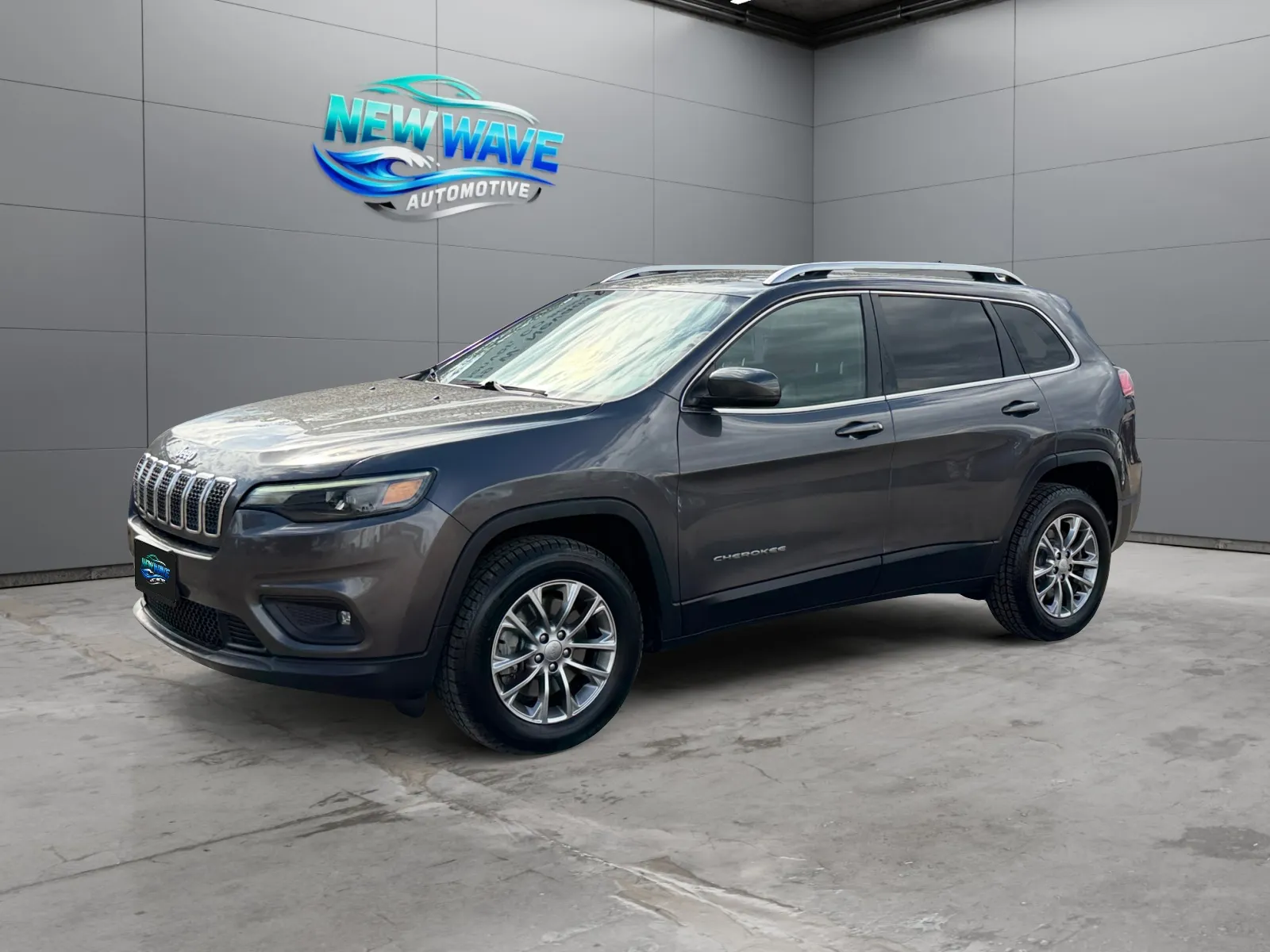
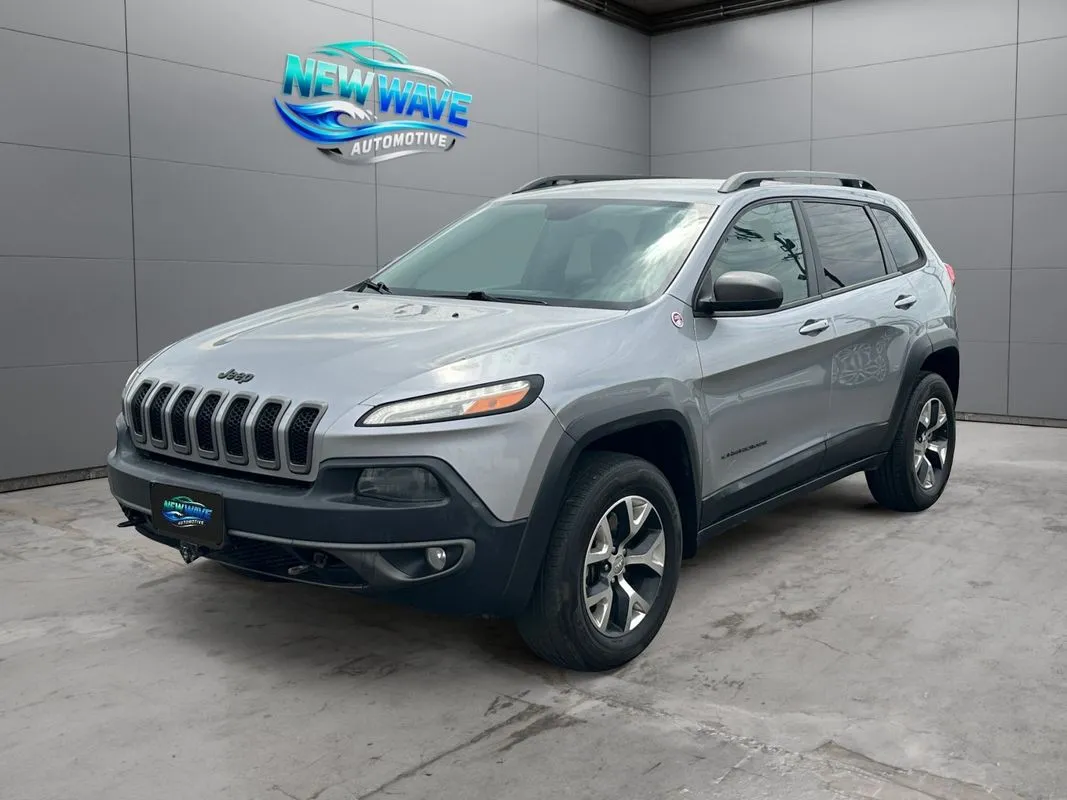
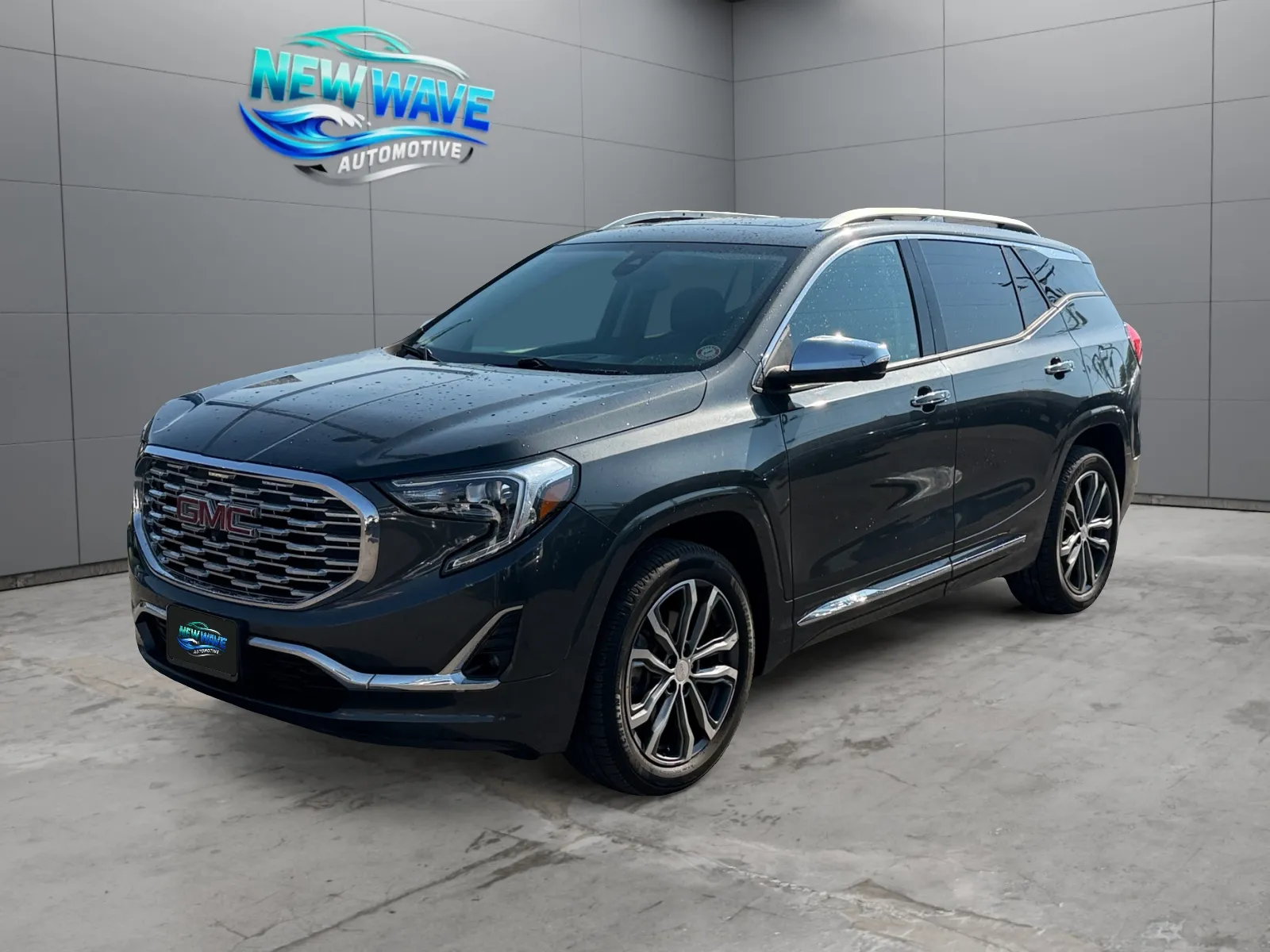
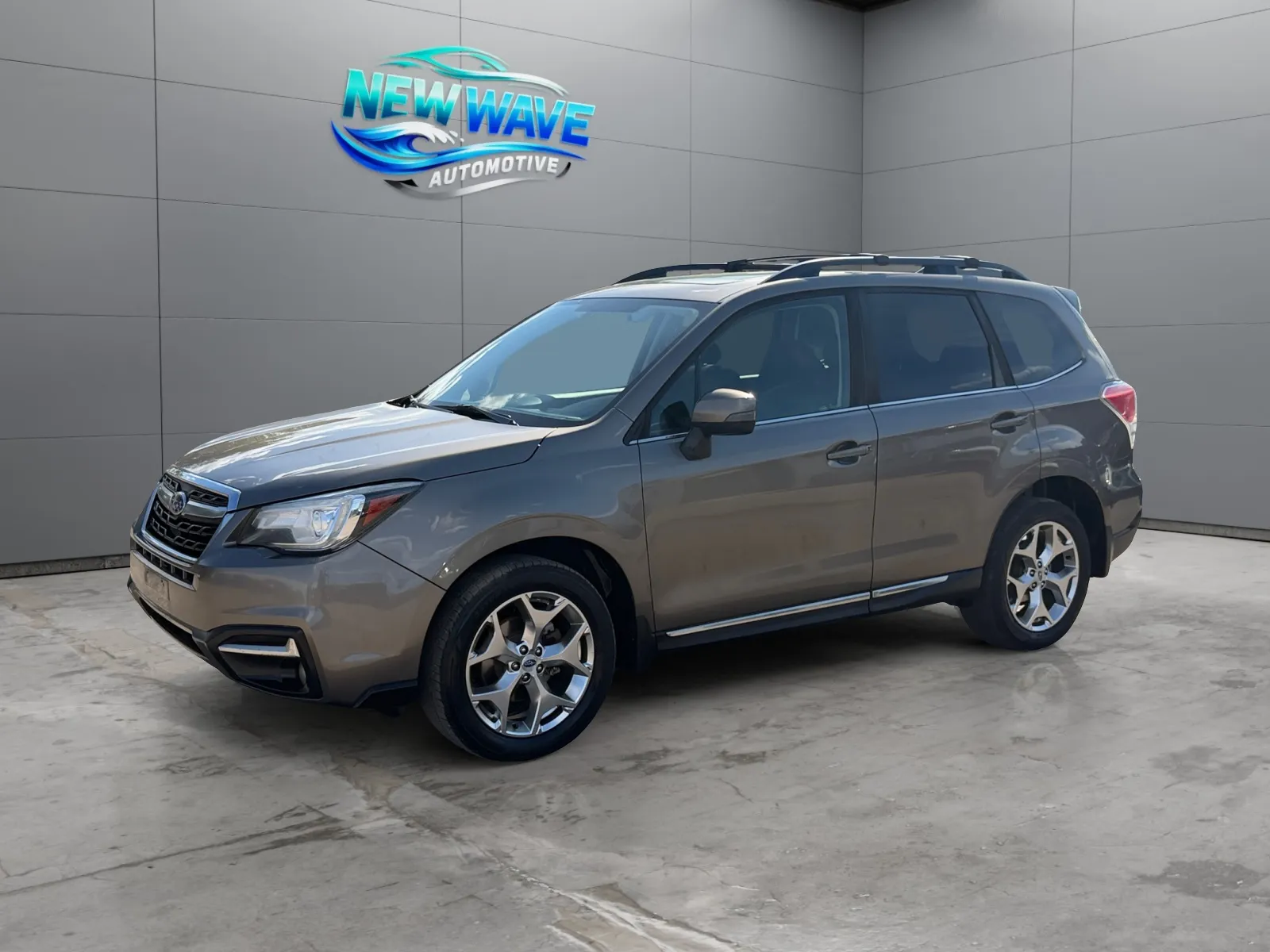
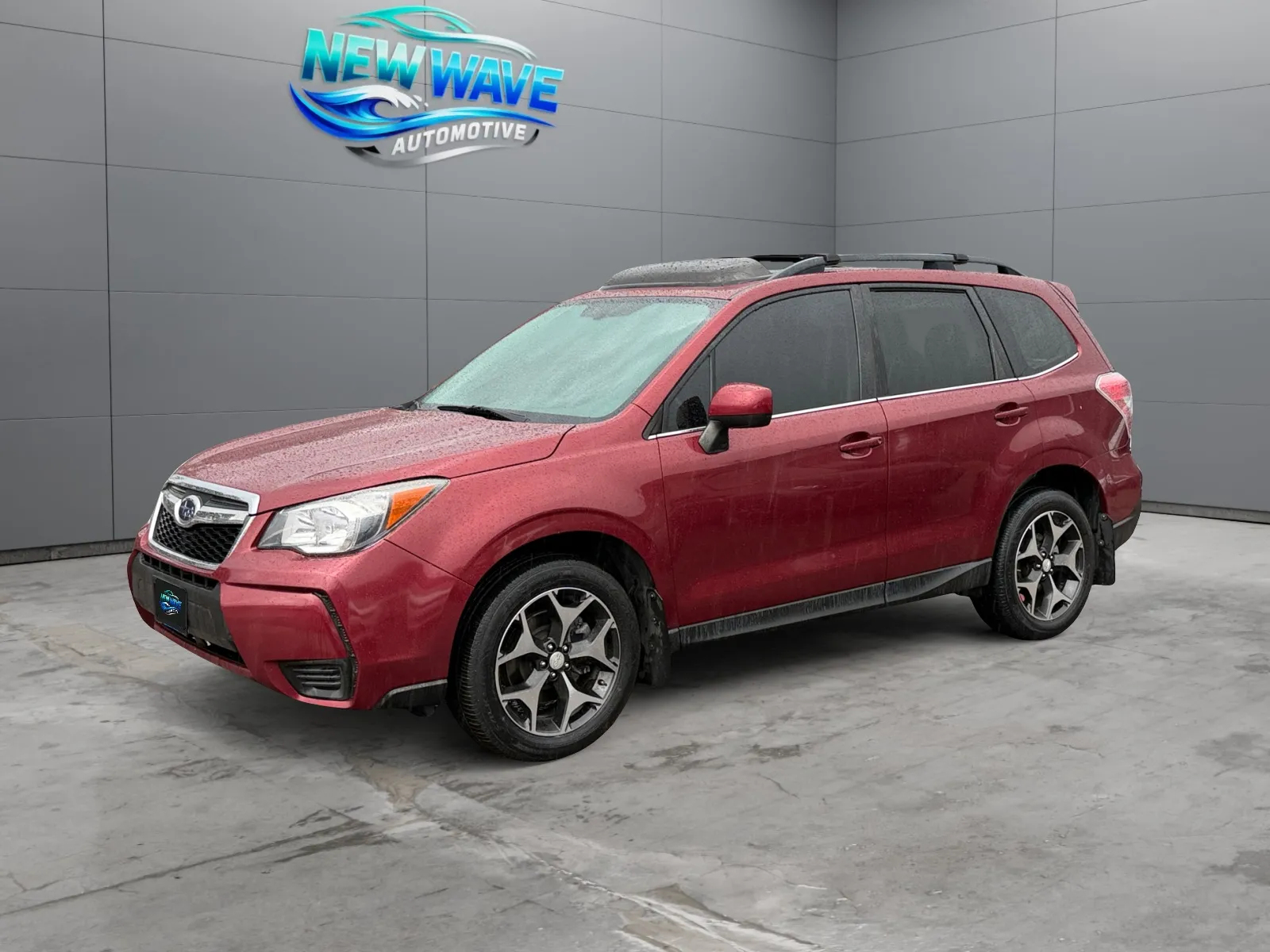
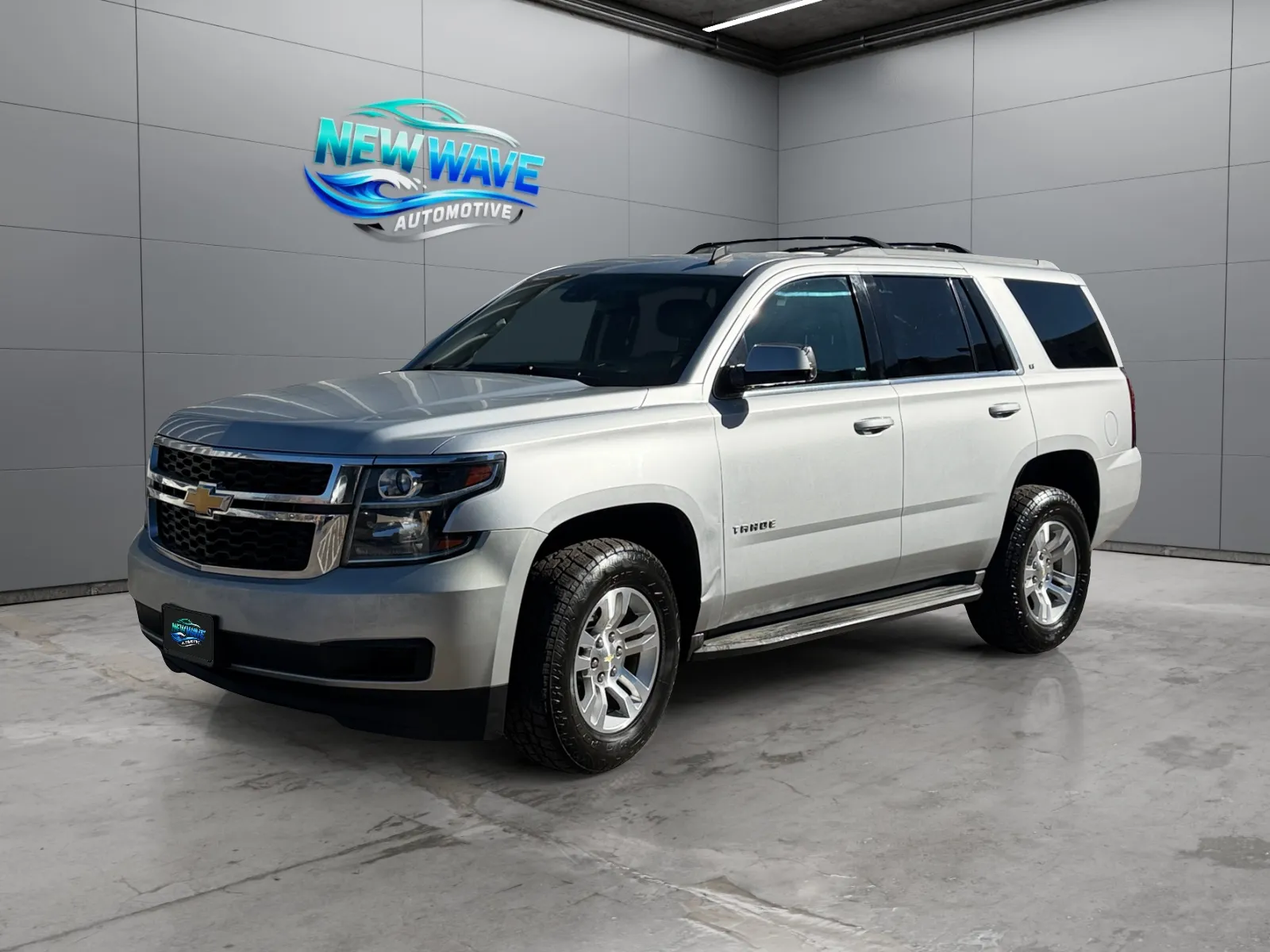
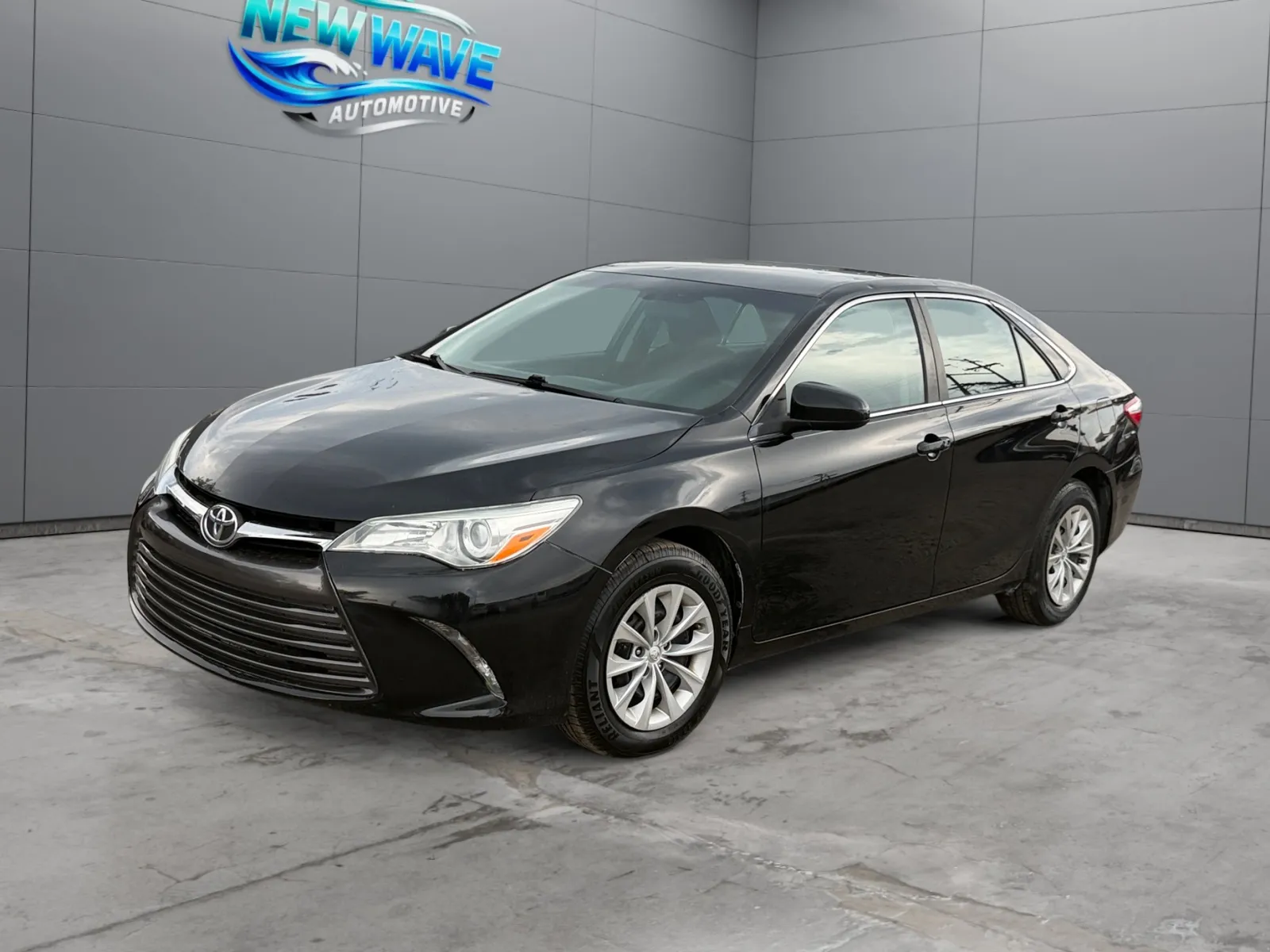
For city buyers, we carry compact cars, efficient sedans, and smaller crossovers that suit urban living without requiring a parking strategy every evening. For suburban buyers, we stock SUVs, trucks, and larger crossovers in configurations that handle family logistics and mountain access without overcomplicating the buying process.
Our team takes time to understand how buyers actually use their vehicles before pointing them toward a specific part of our inventory. If you are relocating from the suburbs to the city, moving to Denver from out of state, or just re-evaluating what your daily driving actually looks like now versus five years ago, that conversation is one we have regularly and take seriously.
- How often do you actually drive into the mountains in a typical winter?
- Do you park on the street, in a driveway, or in a garage?
- How many miles do you put on a vehicle in an average year?
- Are you regularly hauling passengers, gear, or grocery runs for a larger household?
- Would a quality set of winter tires cover your needs without paying for AWD?
Frequently Asked Questions About Choosing a Vehicle for Denver Living
Do I need AWD if I live in Denver proper?
What vehicle works best for tight city parking?
Why do suburban buyers need more cargo space?
Does where I live affect my insurance rate?
Related Topics: