Best SUVs for Denver Drivers (Mountains, Snow, City Driving)
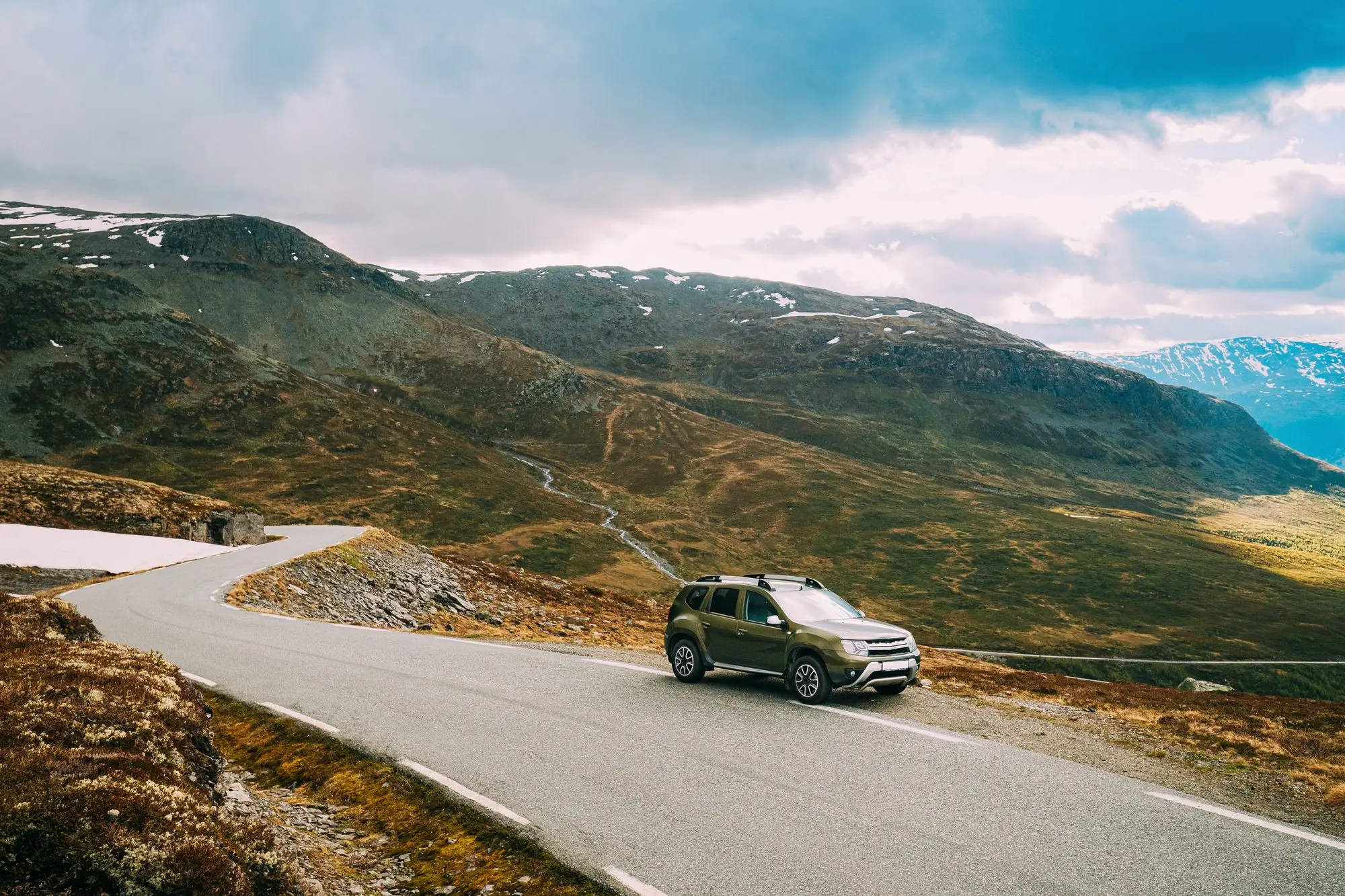
The right used SUV for this market is usually smaller than buyers expect. A compact or mid-size crossover with all-wheel drive handles a February run up I-70 and still fits a parking structure downtown. The larger SUV that looks more capable sitting on a lot is often the harder vehicle to live with the other eleven months of the year.
Two kinds of driving pull in opposite directions. Elevation gain, switchbacks, and long descents reward ground clearance, a drivetrain that holds traction on an icy grade, and brakes with something left at the bottom. City driving rewards a short wheelbase, a tight turning circle, and clear sightlines.
Buyers who choose for one and forget the other end up with a vehicle that is either overmatched on the pass or exhausting in traffic. Working with a reliable car broker company can help you sort through that tradeoff before you commit to the wrong fit.
The Two Jobs A Denver SUV Has To Do
Start with how the vehicle will actually be used, counted in weeks per year rather than in ambition. A driver making eight ski trips between November and April and commuting the rest of the time needs a different vehicle than someone whose weekends end where the pavement does.
That count usually favors the smaller vehicle. Ski-season driving happens on plowed and treated interstate, where all-wheel drive and honest tread do the work rather than clearance or a locking differential. Unpaved roads and unplowed snow are the cases that justify something taller and heavier. Filtering the used SUVs in Denver inventory by drivetrain and body style narrows the field faster than walking a lot cold.
Where Capability and City Practicality Pull Against Each Other
Size is where the trade-off stops being abstract. Each class does something the others cannot, and each gives something up to get it.
| Size class | Does well | Gives up | Models we stock regularly |
|---|---|---|---|
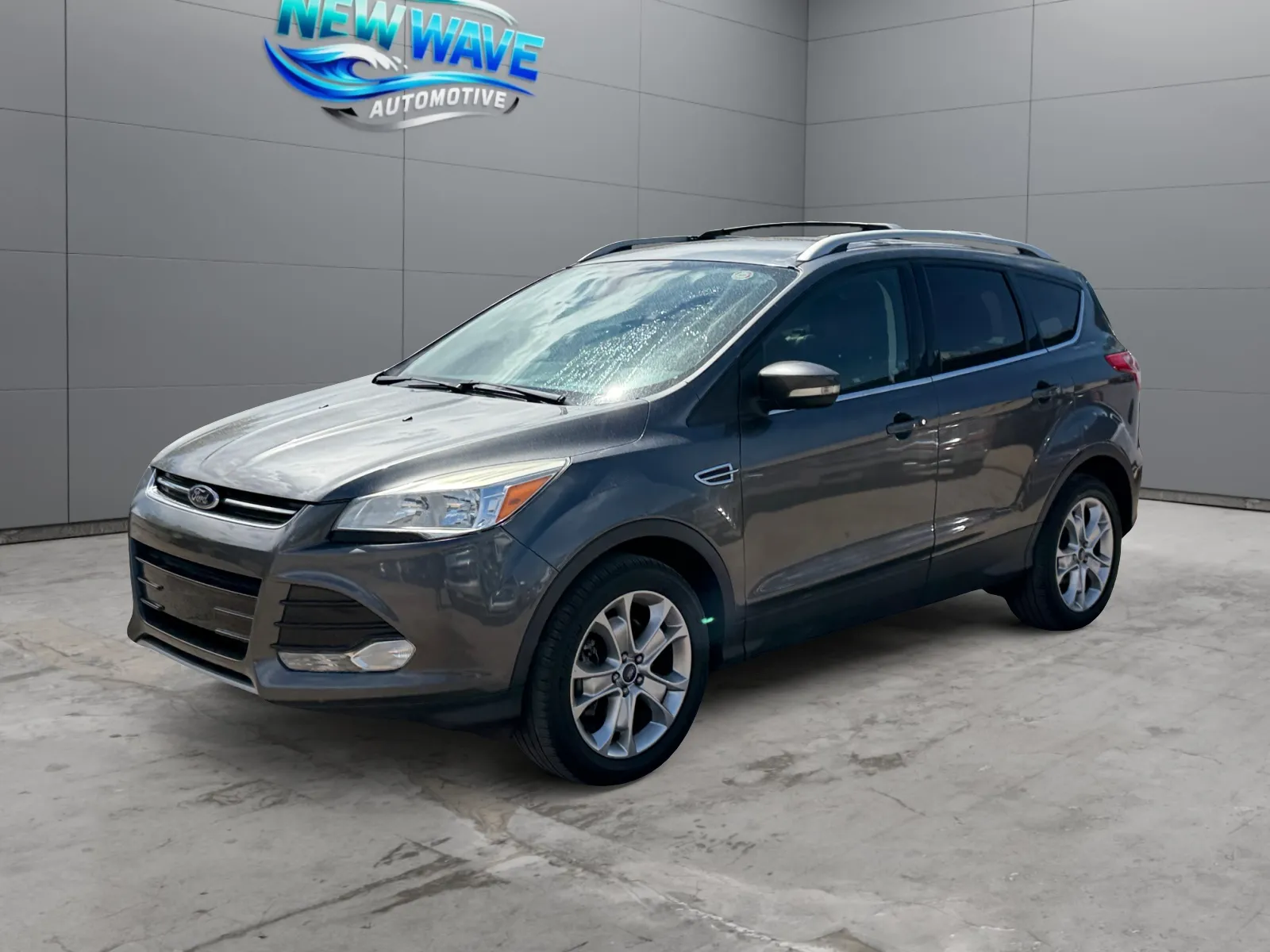
| Compact crossover | Winter commuting, parking, fuel economy | Towing, cargo room with a full car | Forester, RAV4, CR-V, CX-5, Escape |
| Mid-size crossover | A third row or long cargo runs with AWD | Tight older garages, turning circle | Highlander, Explorer, Grand Cherokee |
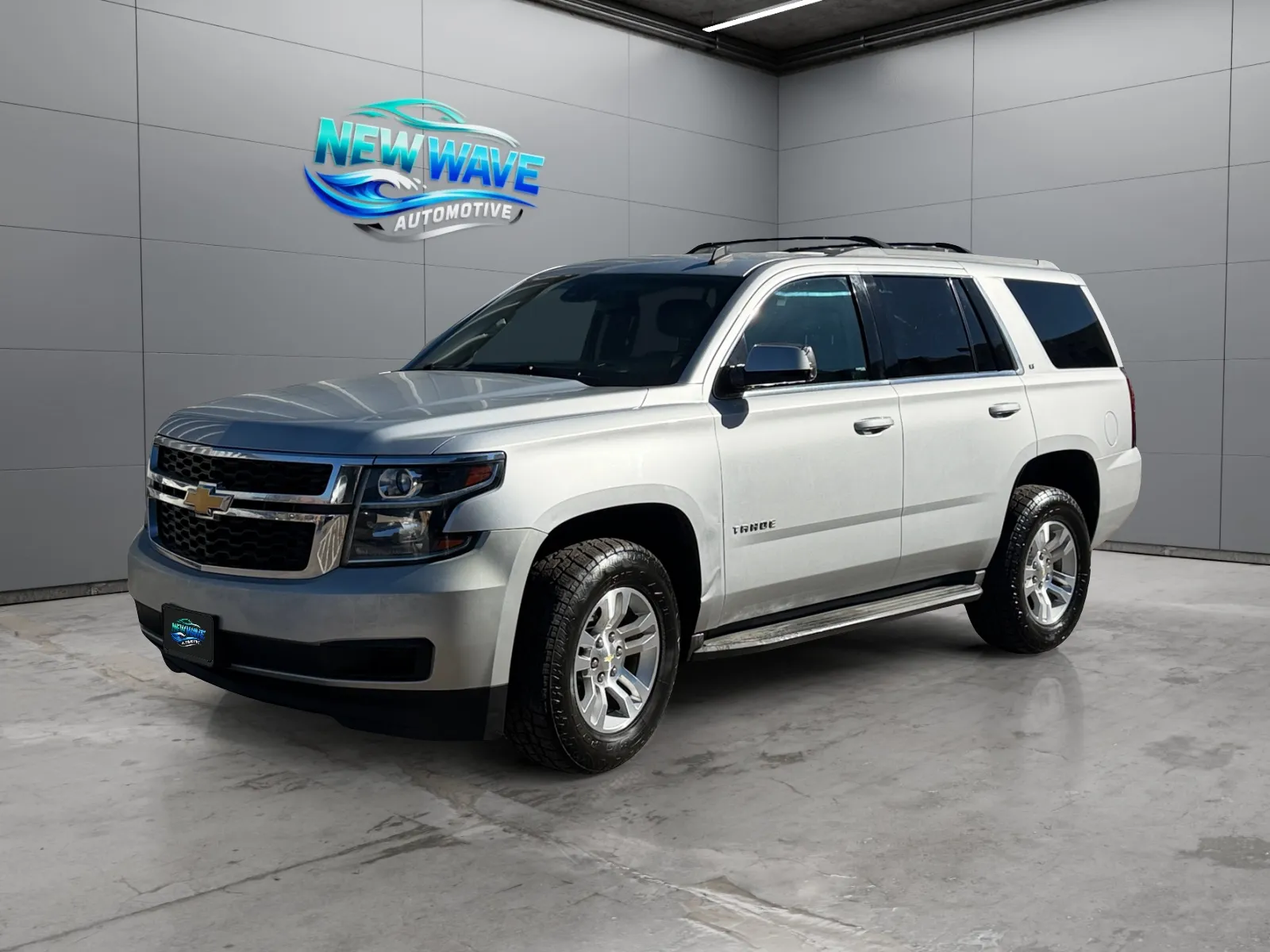
| Full-size, body-on-frame | Towing, deep unplowed snow, rough roads | Fuel, city maneuvering, daily parking | Tahoe, Suburban, Yukon, Wrangler |
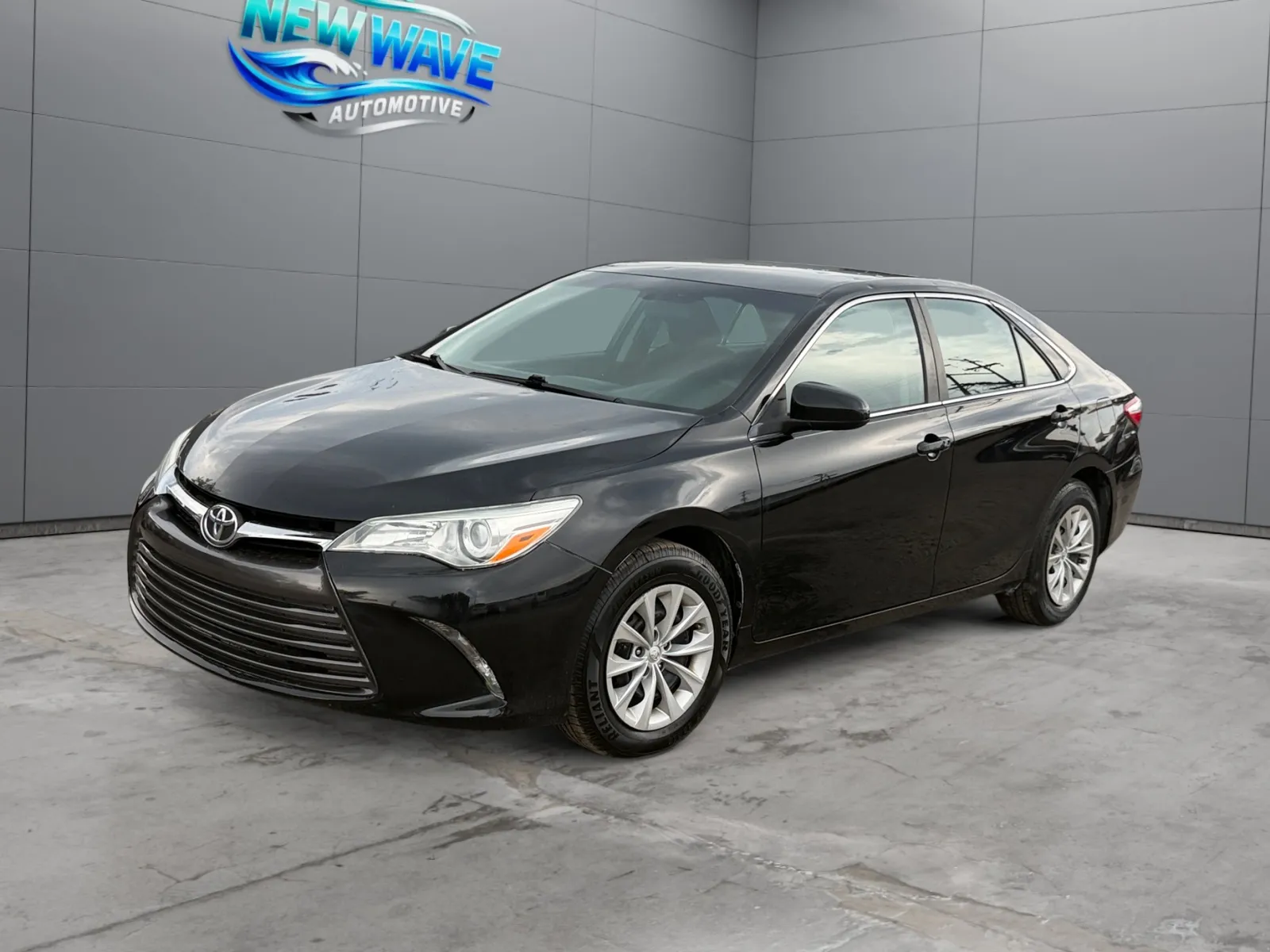
Timing matters as much as the class. Demand for all-wheel drive inventory climbs once the first storm arrives, which makes September and early October better shopping weeks than the week after a December snowfall. The used vehicles that hold up best in Colorado weather are not all SUVs either, and a wagon or a well-equipped sedan deserves a look if the mountain trips are occasional rather than weekly.
AWD or 4WD, And Which One Your Driving Needs
All-wheel drive and four-wheel drive get treated as the same feature in used listings. They are built for different problems.
AWD sends power to all four wheels without the driver doing anything, and it is engineered for traction on paved surfaces in snow, rain, and slush. It is the correct system for interstate ski traffic, and for a driveway nobody has shoveled yet.
4WD is usually driver-engaged, runs through a transfer case, and is built for low-speed traction and terrain rather than highway snow. It shows up on trucks and body-on-frame SUVs, and it is the right answer for forest service roads and deep unplowed snow. Left engaged on dry pavement, most part-time systems bind in turns and wear early.
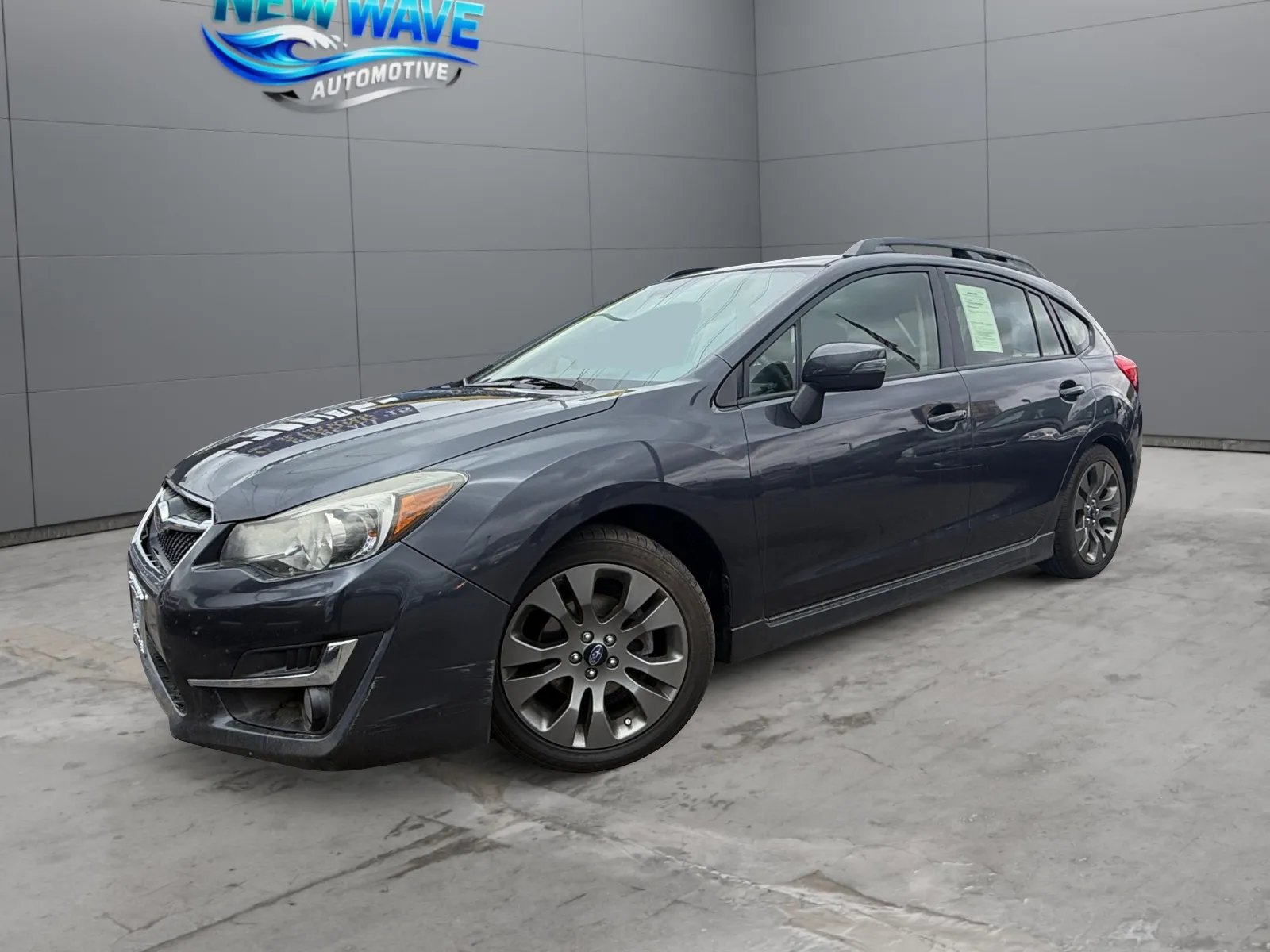
One warning worth carrying onto the lot: vehicle descriptions on used listings, particularly auto-generated ones, use the two terms interchangeably. The same page can list a Subaru as AWD in the spec table and describe a full-time 4WD system in the paragraph underneath. The spec field is the one to trust, and any seller should be able to confirm it from the build sheet.
What to Verify Before Buying a Used AWD or 4WD SUV
The drivetrain is the system on a used SUV most likely to have been neglected and least likely to get checked by the buyer. Six things separate a vehicle that will handle a Colorado winter from one that only looks like it will.
- Drivetrain on the spec sheet. Every listing here carries a drivetrain field. Read that instead of the description, and ask which system it is when the field only says 4WD.
- Transfer case and differential fluid records. These are scheduled wear items, and they are the first services skipped on a higher-mileage vehicle.
- Measured tread depth on all four tires. Colorado's Traction Law sets a 3/16-inch minimum, and all-wheel drive does not exempt a vehicle from it.
- Tread matched across the axles. Uneven tread on an AWD drivetrain loads the center differential and shortens its life.
- Warranty eligibility on that specific unit. The 3 month, 3,000 mile certified warranty applies to select vehicles rather than the whole lot, and the transfer case and drive axle sit inside its covered list.
- The out-the-door number. A $649 dealer handling fee appears on every vehicle here, and tax, title and registration land on top of the sale price.
A CARFAX report comes free with every vehicle on our lot, and the two sections to read first are structural damage and odometer consistency across owners. Service history is the more useful part of the report for an SUV, because it shows whether the drivetrain was maintained by someone who intended to keep the vehicle.
An SUV at 80,000 miles with documented drivetrain service is the safer purchase than one at 60,000 miles with no record of it.
Every check above is faster with the vehicle in front of you. Our lot at 1262 West Alameda Avenue sits a couple of minutes off I-25, and the drivetrain, the tread, the service records and the warranty status on a specific unit can all be settled in one visit rather than over email. Sales runs 9 to 8 Monday through Friday and 9 to 7 Saturday, in English or Spanish.
Questions We Get From SUV Shoppers
Is all-wheel drive enough for I-70 in winter?
What changes if the Chain Law is called instead?
Do I need a full-size SUV to tow up a pass?
Is it better to buy before or after the first snow?
Related Topics: