Seasonal Deals at Denver Dealerships
Table of Contents
- How Denver's Mountain Market Creates Seasonal Price Shifts
- January and February: When the Buyer Has More Leverage
- Spring and the Tax Refund Effect on Denver Pricing
- Summer Inventory and the Model Year Transition
- Fall and the Predictable AWD Demand Spike
- End of Month Timing and When It Actually Changes the Math
- Frequently Asked Questions About Seasonal Deals in Denver

Used car prices in Denver move with the seasons in ways that are, kind of, predictable once you know what to look for. The demand patterns here play out differently than in most other states, you know, with the ski season AWD rush in the fall, the tax refund surge coming spring, and that quiet mid-winter stretch when demand drops, and inventory just piles up.
Knowing when to buy and which vehicle types swing the most puts you in a much stronger position. And honestly, working with affordable car broker services can make timing the market a whole lot easier, especially if you are not trying to track all this yourself.
How Denver's Mountain Market Creates Seasonal Price Shifts
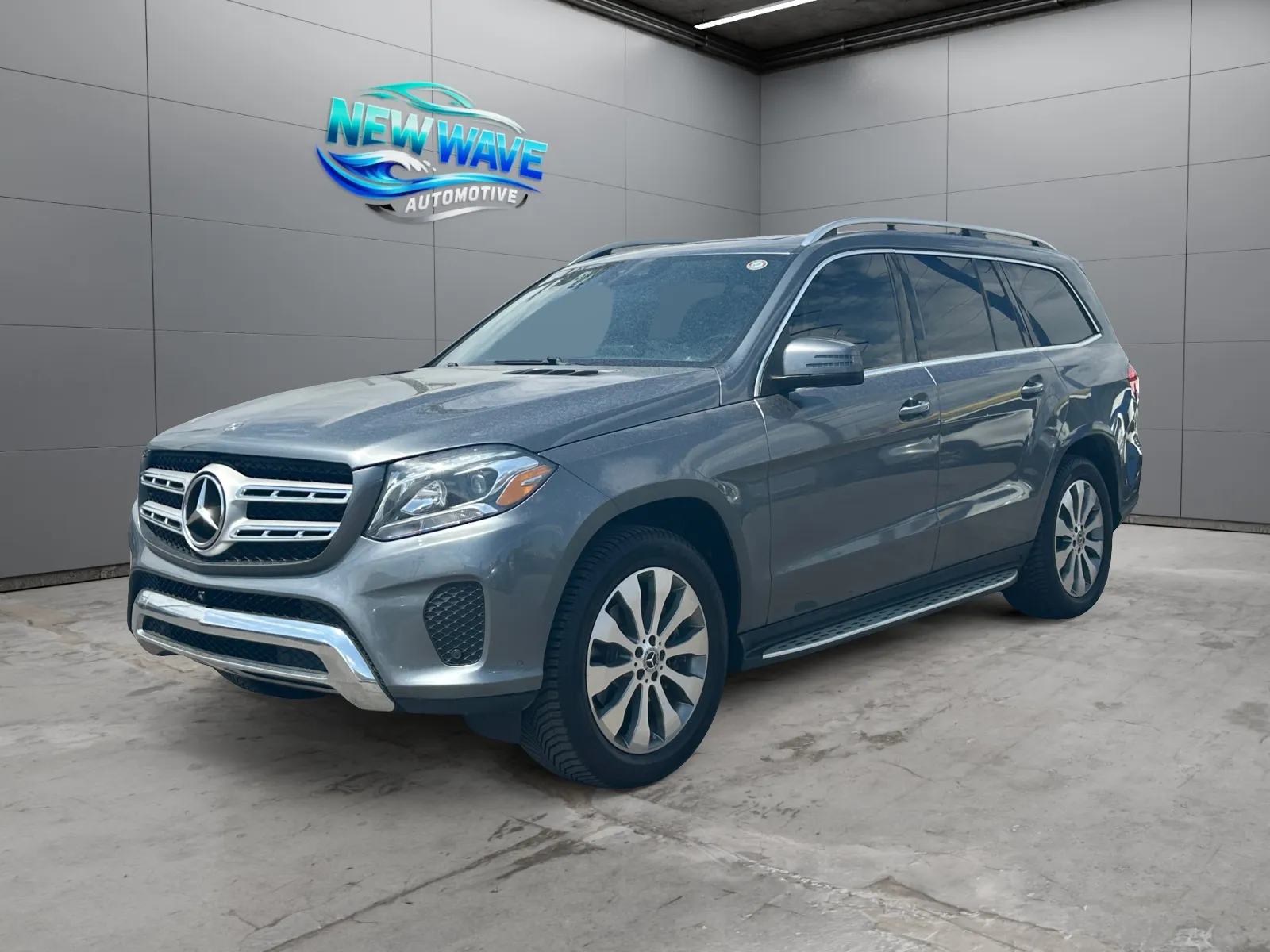
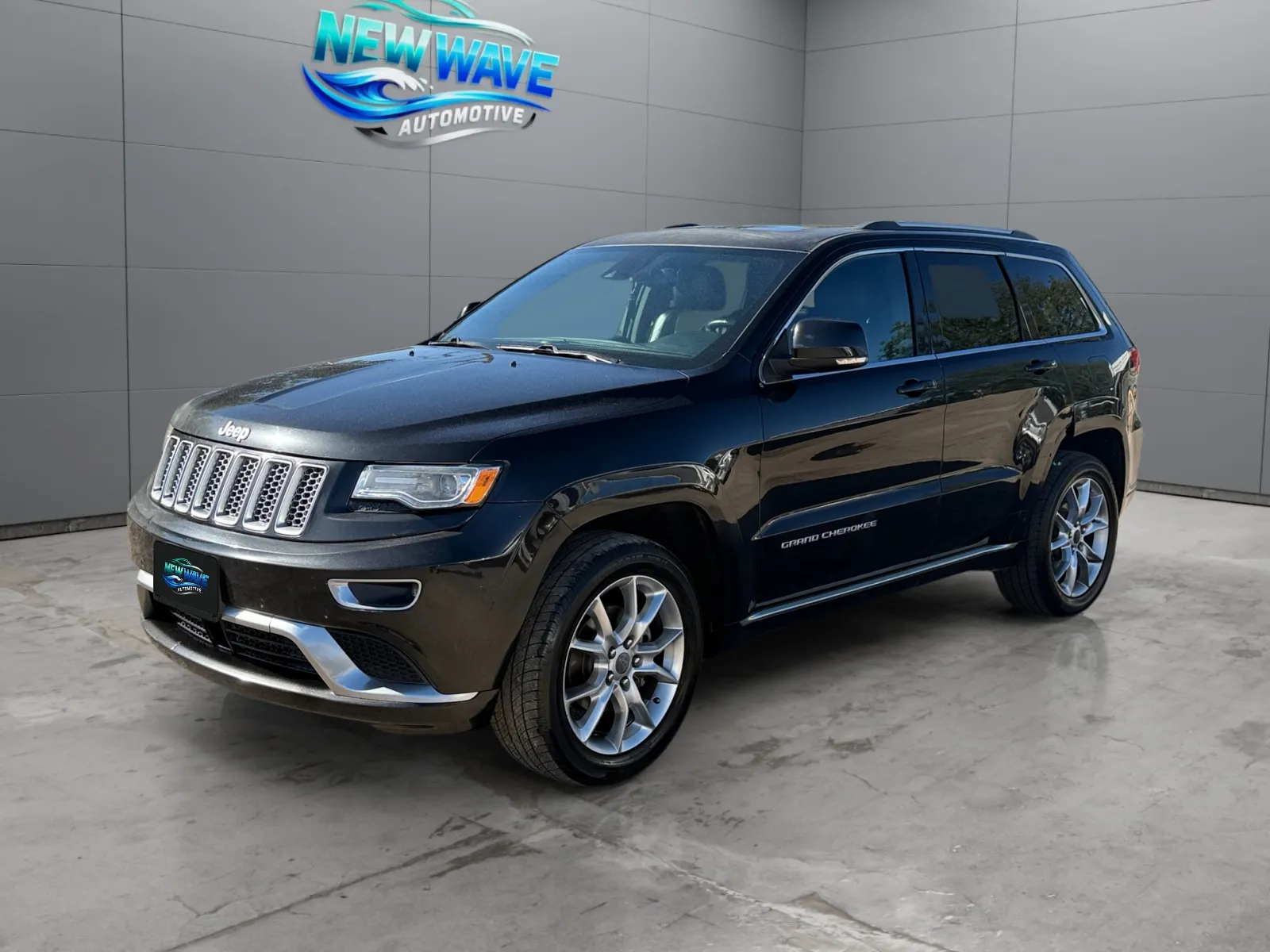
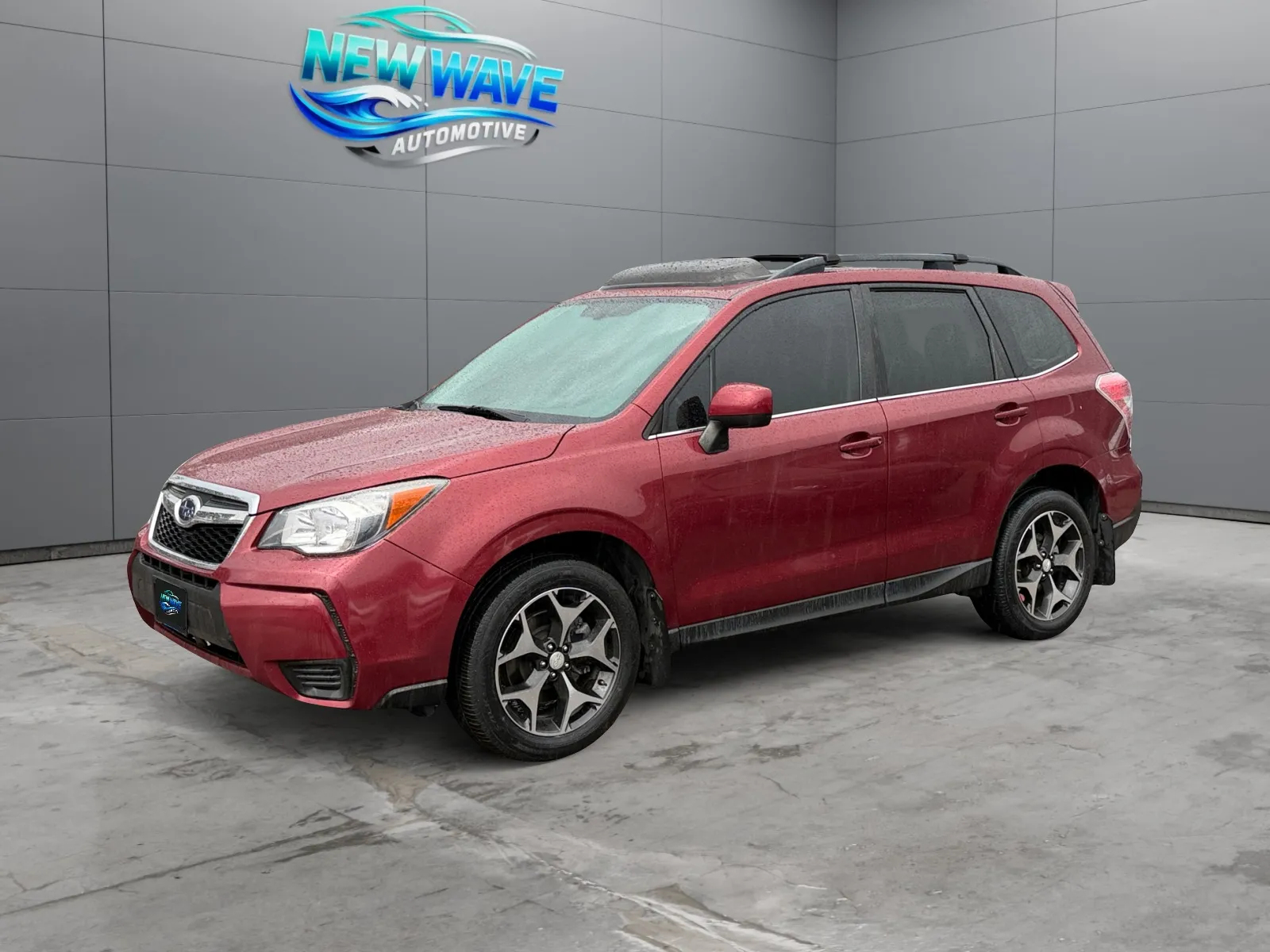
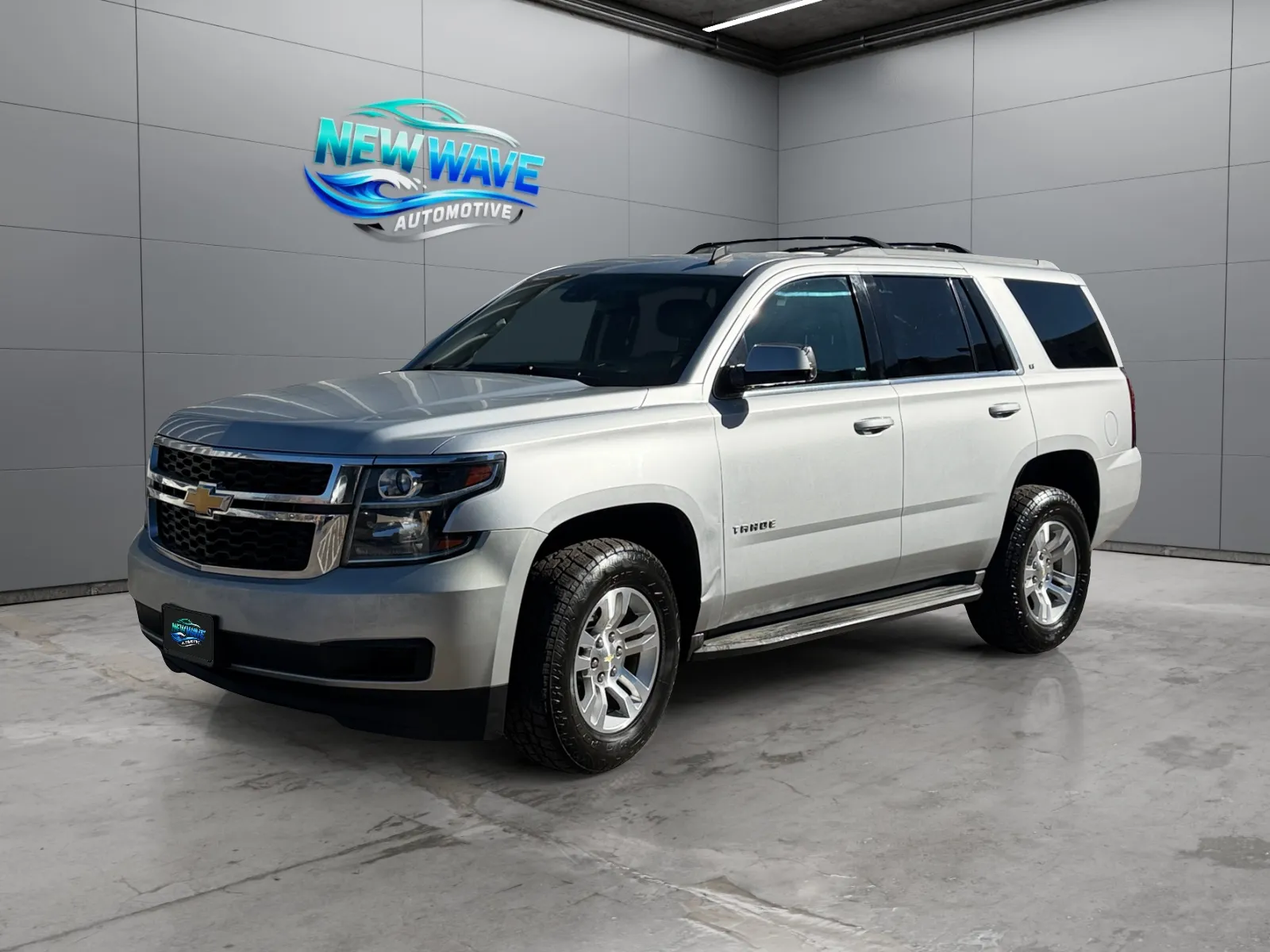
The mountain access factor is the biggest variable that sets Denver's seasonal used car market apart from other metros. AWD and 4WD-capable vehicles see genuine demand spikes in the September through November window as buyers prepare for ski season and mountain driving.
During that period, the combination of increased demand and thinning inventory for capable trucks, SUVs, and crossovers pushes prices up noticeably compared to late winter and spring lows.
This pattern is consistent enough year over year that buyers specifically looking for AWD vehicles are usually better served by shopping in February or March, when the ski season rush has passed, and sellers who bought at the peak are sometimes motivated to move a vehicle before summer.
The inverse is true for two-wheel drive vehicles and convertibles that see reduced interest during winter months. Patient buyers who are not locked into a specific timeline can often time their purchase to the point in the cycle where their target vehicle is at its lowest demand.
| Season | Demand Level | Best For |
|---|---|---|
| January to February | Lowest | Buyers with flexible timing who want negotiating room |
| March to May | Rising, driven by tax refunds | Buyers who need more selection and can accept less leverage |
| Summer | Balanced, highest inventory volume | Buyers with flexible timing across any vehicle type |
| September to November | Highest for AWD and 4WD | Buyers who must have a mountain-capable vehicle before winter |
January and February: When the Buyer Has More Leverage
The stretch from late January through February is historically the softest in Denver's used car market. Buyers are thinking about tax season more than car purchases, dealership traffic is lower, and vehicles that were listed in the fall and did not sell have been sitting for months. Inventory tends to accumulate during this window, and that accumulation generally benefits buyers.
For dealerships, carrying inventory through winter months has a real cost. Vehicles that have been on the lot longer tend to become more negotiable, and the combination of lower foot traffic and aged inventory creates conditions where buyers who show up informed and ready to make a decision have more room to work with.
If your budget is fixed and your timing is flexible, the January and February window is worth targeting. The trade-off is that the strongest individual examples of any popular vehicle type have often already sold, so the selection may not be as deep as peak season.
Spring and the Tax Refund Effect on Denver Pricing
The Denver used car market picks up noticeably from March through May, driven by tax refunds and the general seasonal momentum that comes with warmer weather. Buyers who held off through winter enter the market with refund money in hand, which pushes demand and prices up, particularly on vehicles in the under $20,000 range, where first-time and credit-rebuilding buyers concentrate.
The practical implication is that buyers who can act in January or February will generally find more favorable pricing than those who wait for spring. If spring is when you need to buy and your timing cannot move, the focus should shift from price to selection.
Spring inventory is higher, and variety is better, so finding the right vehicle is easier even if the pricing leverage is lower than in the winter months.

Summer Inventory and the Model Year Transition
Summer is typically the period of highest inventory volume at used car dealerships. Vehicles from the spring trade-in cycle are flowing through, and the general pace of the market is active across all body types. Prices during summer are neither at their lowest nor highest point, which makes it a balanced time to buy if your timing is flexible.
The end of summer, specifically August and September, is when new model year vehicles arrive at new car dealerships. This can soften residual values on the outgoing model year in some segments, and buyers focused on a specific model year may find pricing more accessible during this window.
In the Denver used car market, however, this effect is often counteracted by the AWD demand surge that starts in September as ski season approaches, which limits the softening on capable trucks and SUVs.
Fall and the Predictable AWD Demand Spike
September through November is the period of highest demand for AWD and 4WD vehicles in Denver. The pattern holds year over year. As ski season approaches, buyers who do not have a capable vehicle start thinking about how they will handle I-70 in February, and that thinking converts to purchasing action in the fall.
The result is concentrated demand on the most capable vehicles in the market at precisely the time when sellers know they have leverage. For buyers who already know they want an AWD vehicle and have flexibility on timing, shopping in late winter or early spring is the clearer financial decision.
For buyers who find themselves needing a mountain-capable vehicle and cannot wait until the following spring, purchasing before the peak of the fall rush, ideally in August or early September, can reduce the premium compared to buying in October or November when demand is at its highest.
End of Month Timing and When It Actually Changes the Math
The end of the month remains a reliable time to find more favorable terms at many dealerships.
Staff and management at franchise operations work toward monthly targets, and transactions that close before month-end count toward those numbers in ways that a first-of-the-month sale does not. The effect is real, though more pronounced at large franchise dealerships than at locally owned operations.
At our dealership at New Wave Auto Brokers and Sales, we do not run on the kind of artificial month-end pressure that creates pricing volatility at chain dealerships. Our pricing reflects market conditions consistently throughout the month.
That said, shopping near month-end as a buyer is still a reasonable practice because vehicles that have been listed for extended periods are often the most ready to move regardless of where the calendar sits. Take a look at what's currently in stock to see what has been sitting the longest.
- Shop for AWD and 4WD vehicles in February or March, after the ski season rush fades
- Expect more selection but less negotiating room from March through May
- Use summer's higher inventory volume if your timing needs to stay flexible
- Buy mountain-capable vehicles in August or early September to beat the fall price spike
- Check listings near the end of any month for vehicles that have been sitting the longest
Frequently Asked Questions About Seasonal Deals in Denver
When is the cheapest time to buy a used car in Denver?
Why do AWD and 4WD vehicles cost more in the fall?
Does end-of-month timing actually matter at every dealership?
Is spring a bad time to buy in Denver?
Related Topics: