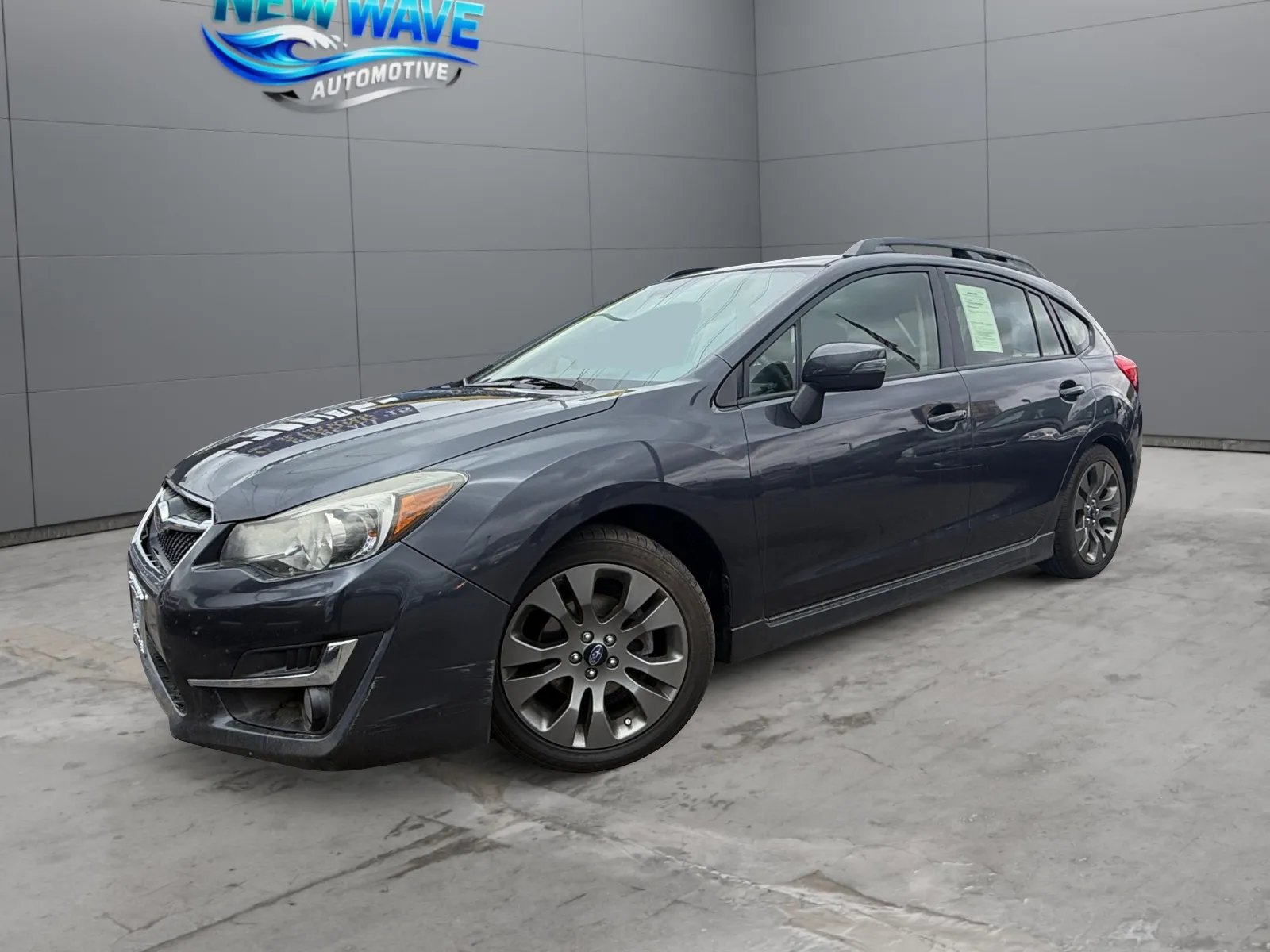
How to Find Low-Mileage Used Cars in Denver

Fewer miles usually mean less wear, which is why the odometer carries so much weight with buyers. It still says nothing about whether the oil was changed on schedule, whether the car spent two winters sitting in a driveway, or whether those miles were put on climbing I-70. You know, the number alone just does not tell the whole story.
Buyers who do well with low-mileage vehicles treat the reading as one data point among three. Mileage, maintenance history, and physical condition have to agree with each other. When they do not, the odometer is the one to trust least.
Working with an experienced car broker in Denver, CO, makes it a bit easier to catch those mismatches early, before they turn into expensive surprises.
What Low Mileage Actually Means in the Denver Market
Most drivers cover roughly 12,000 to 15,000 miles a year. That puts a three-year-old car at 30,000 miles right around average and a five-year-old car at the same figure well under it. A number that low on an older vehicle points to one of two things: very light use or long stretches parked.
Denver adds a wrinkle. Mountain driving is harder on a vehicle than flat highway miles at sea level. Forty thousand miles of I-70 ski runs, with the elevation change and grade braking that come with them, work a drivetrain and a brake system harder than forty thousand miles of level commuting. The odometer does not record the difference. The inspection notes and the service history do.
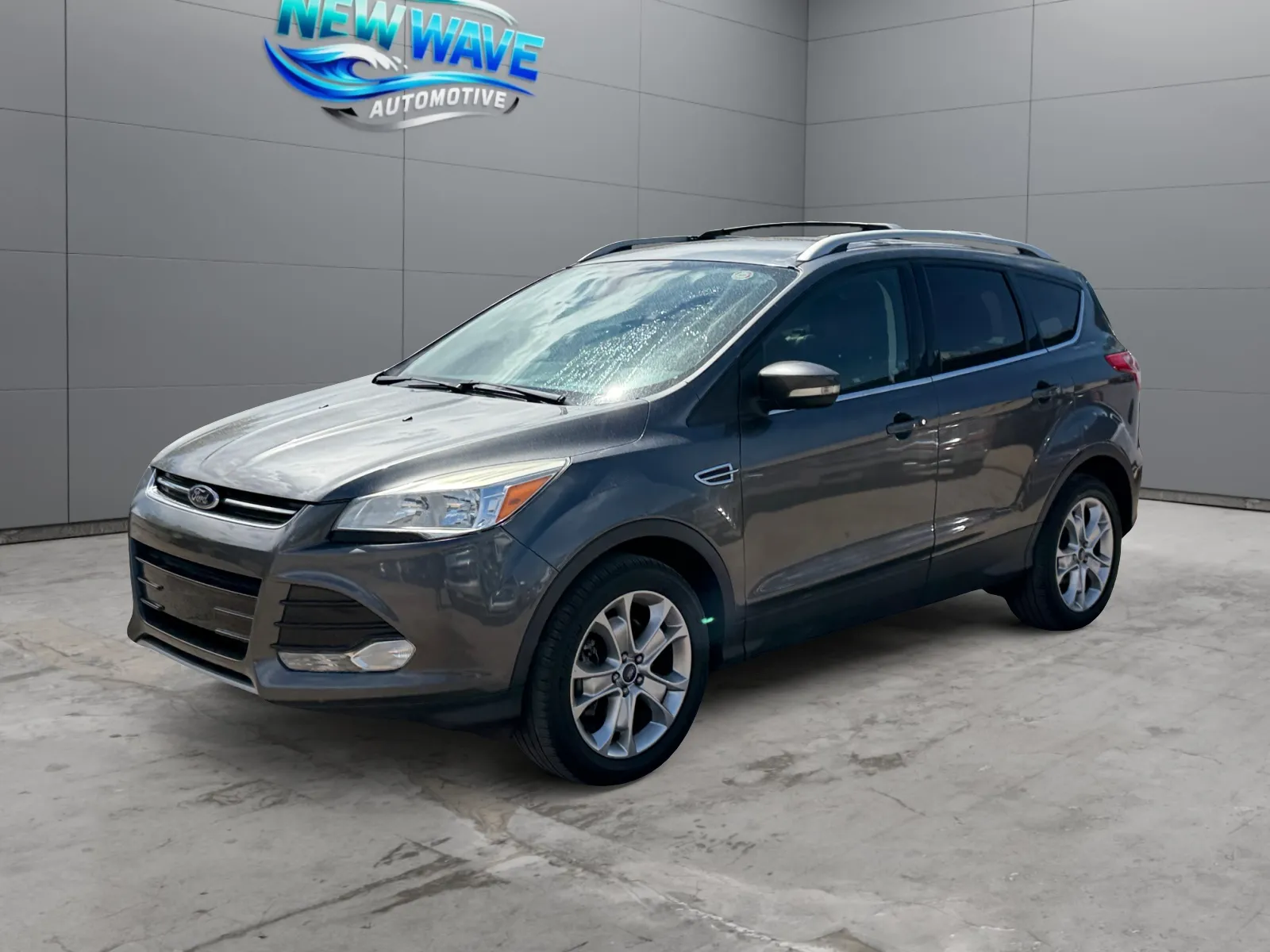
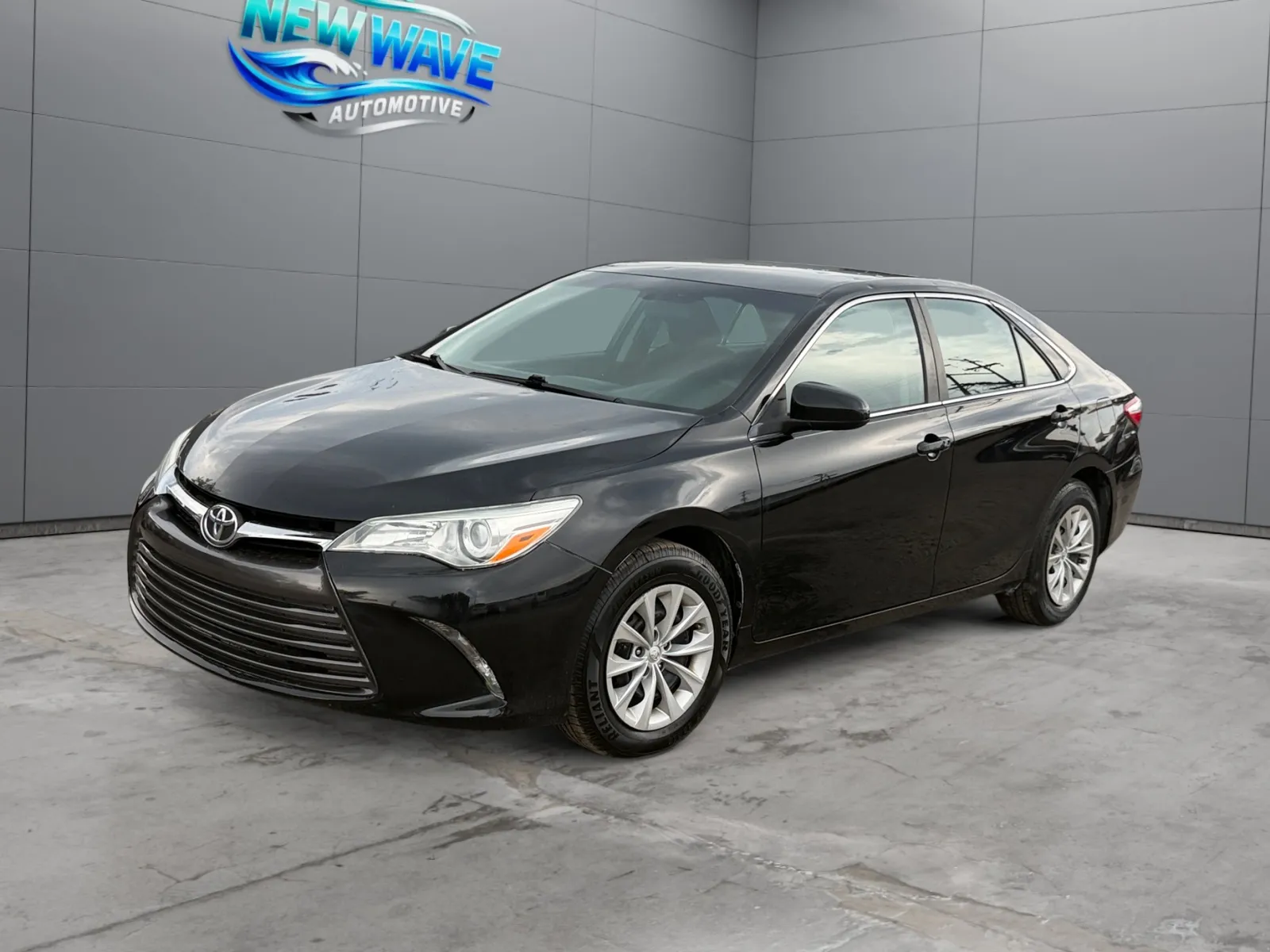
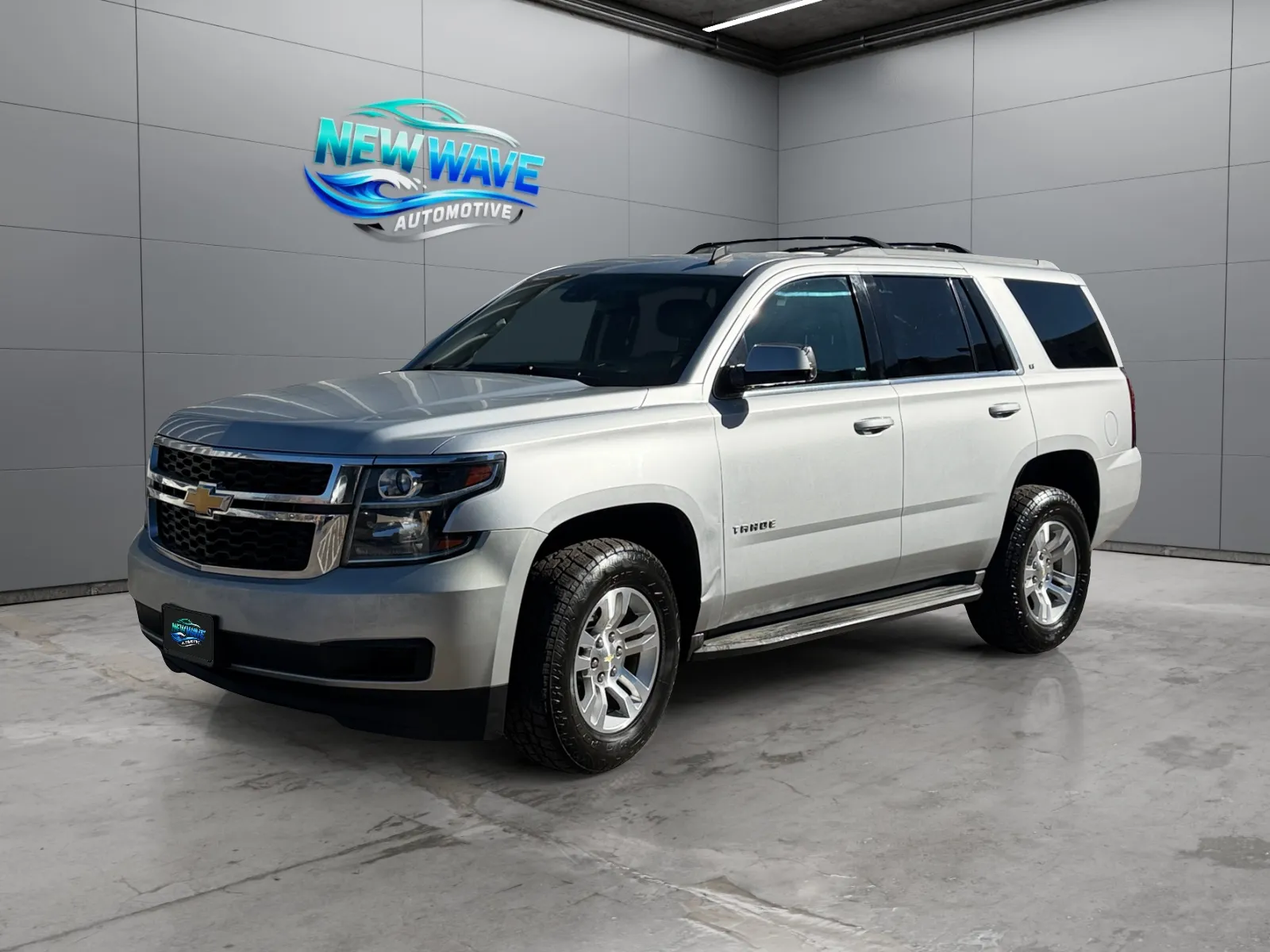
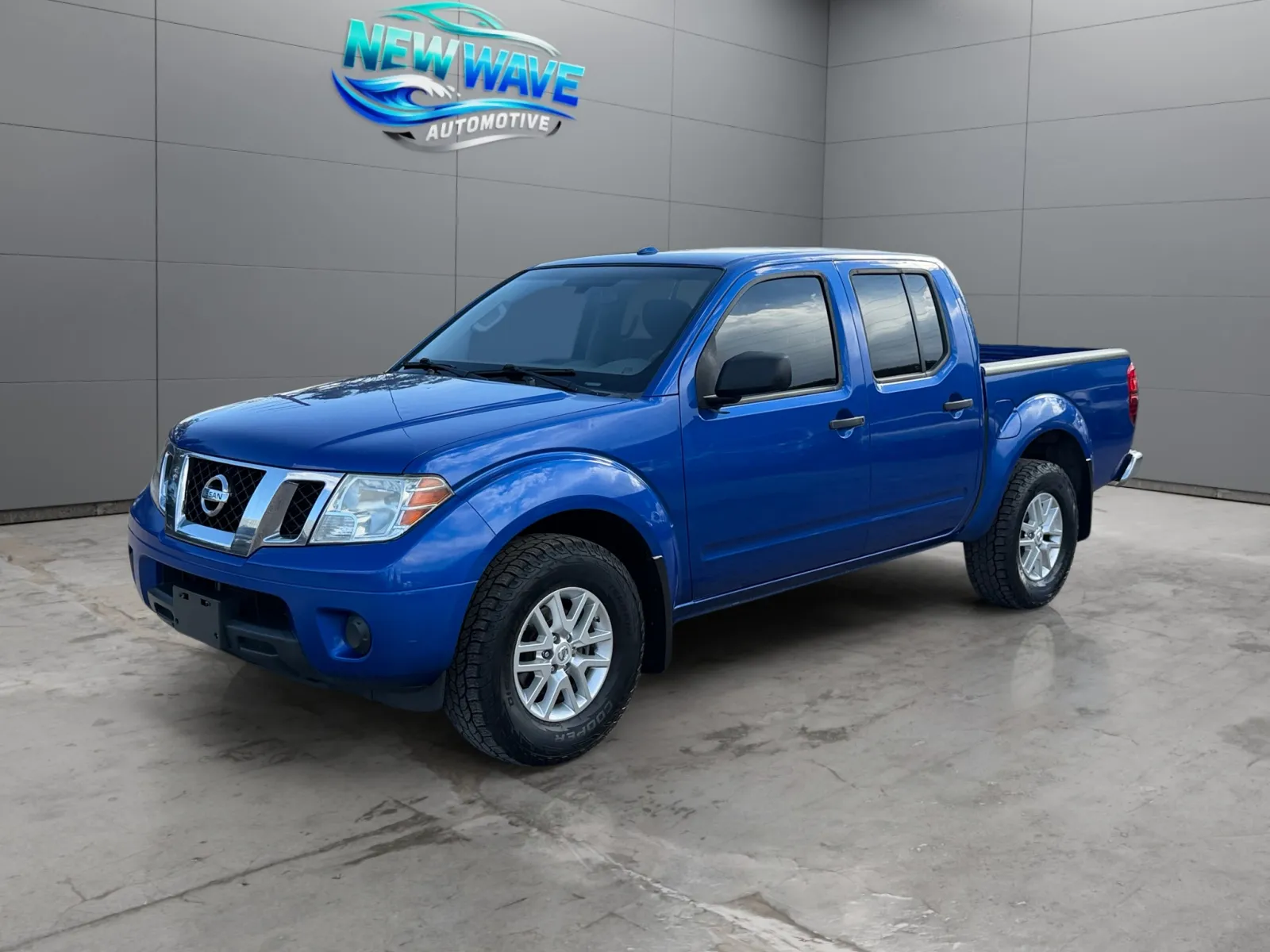
Two cars can show the same figure and be in different conditions. Documented highway miles with consistent oil changes at 50,000 beat stop-and-go city use and a patchy service record at 35,000. Every vehicle in our used car inventory in Denver lists its mileage alongside its history, so the sorting happens before you spend a Saturday driving to a lot.
Where Low-Mileage Vehicles Come From
Genuinely low-mileage used cars reach the market through a few predictable routes, and each one carries its own caveat.
| Source | Mileage you can expect | What to watch for |
|---|---|---|
| Off-lease | Around 30,000 after a three-year lease with a 10,000-mile annual cap | Return-condition standards vary by lender, so deferred wear items sometimes come with the car |
| Estate or second vehicle | Low for the model year, sometimes dramatically so | Time-based maintenance is frequently overdue even when the odometer looks excellent |
| Corporate fleet | Low to moderate, serviced on schedule | Multiple drivers and no personal accountability for the interior or the drivetrain |
| Trade-in from a light driver | Varies, often below average for the age | Ask why the car is being traded; the answer is usually informative |
Fleet vehicles deserve the most scrutiny of the four. They are usually serviced on time, which looks good on paper. They are also driven by people who do not own them, and that shows up in the seats, the drivetrain, and the small mechanical things nobody bothers to report.
Estate and second-vehicle cars are the opposite problem. A car that belonged to a retiree or sat in a two-car garage and only came out on weekends often has an odometer that doesn't match its age at all.
You cannot hunt for these directly. They arrive through trade-ins and direct purchases, which is why lot inventory turns over and why last month's listing is a poor guide to what is available now.
What to Verify Before Trusting a Mileage Claim
The CARFAX report is the first check. It logs odometer readings pulled from registrations, inspections, and service visits across the vehicle’s life. A legitimate low-mileage car shows a steady, shallow climb across multiple entries over several years. Gaps in the record, or a reading that does not fit the age of the vehicle, are worth raising directly rather than writing off as a clerical error.
We provide a free CARFAX report on every vehicle in inventory, and we hand-inspect every car before pricing and listing. Qualifying vehicles also carry a free 3-month or 3,000-mile certified warranty backed by AVP, and we confirm in writing whether a specific vehicle qualifies before finalizing a purchase.
A physical inspection is the second check, and this is where a false low reading usually breaks down:
- Pedal rubber and floor mats. At 25,000 miles, the brake pedal pad should be close to intact. Worn-through rubber does not belong on that odometer.
- Driver’s seat bolster and steering wheel. These wear with entries, exits, and hands, not with distance, so they describe use patterns the mileage figure misses entirely.
- Tire date codes. Original tires with a six-year-old date code on a low-mileage car mean the vehicle sat, and sitting carries its own consequences for seals, belts, and rubber.
- Service intervals against dates, not just distance. Oil, coolant, and brake fluid degrade on a calendar whether or not the car moves.
- Odometer entries spread across years. One reading proves nothing. Four readings across four years establish a pattern.
Wear that contradicts the odometer is far easier to catch in person than on paper. A cold start, a route that mixes city streets with a sustained grade, and a few minutes spent listening instead of talking are what a thorough test drive is actually for.
The Trade-Off Between Mileage and Maintenance
A well-kept car at 80,000 miles is almost always the better buy than a neglected one at 30,000. Fluids, belts, and brakes come due on a schedule tied to time as much as distance. A vehicle that sat for two years still aged through both of them.
This catches the buyers who specifically hunt for lightly driven cars. Fifteen thousand miles spread across five years can mean five years of skipped oil changes, dried seals, and a battery on its third life. Ask about service history in dates, not only in distances.
Low mileage plus documented maintenance is the combination worth paying for, and it is uncommon enough to command a premium. Coverage is the other half of the question, because most Denver lots sell strictly as-is, and whether a dealership offers a warranty on a used car changes what that clean odometer is actually protecting you from.
Finding Low-Mileage Inventory Without Overpaying
Low mileage carries a premium here, and sellers price accordingly. A buyer who filters for the lowest possible reading and stops there tends to pay more per remaining mile of useful life than one who weighs the number against condition and service history.
A realistic target range does more work than a hard ceiling. Under 50,000 miles for a car in its first five years opens a wide pool without the markup attached to single-owner, sub-30,000-mile listings that routinely ask disproportionate money.
Buying from a lot that inspects every vehicle before listing and hands over the CARFAX at no charge removes a layer of guesswork. The documentation arrives with the car instead of becoming something to chase afterward. Our inventory spans a wide mileage range and moves quickly, so the practical step is to call and confirm what is on the ground the day you plan to visit.
Frequently Asked Questions
Is a low-mileage used car always the better choice?
How can I tell whether an odometer reading has been rolled back?
Do mountain miles really matter that much in Colorado?
Does New Wave Automotive stock low-mileage vehicles?
Related Topics: