Electric Cars Charging Stations Map Around Lakewood
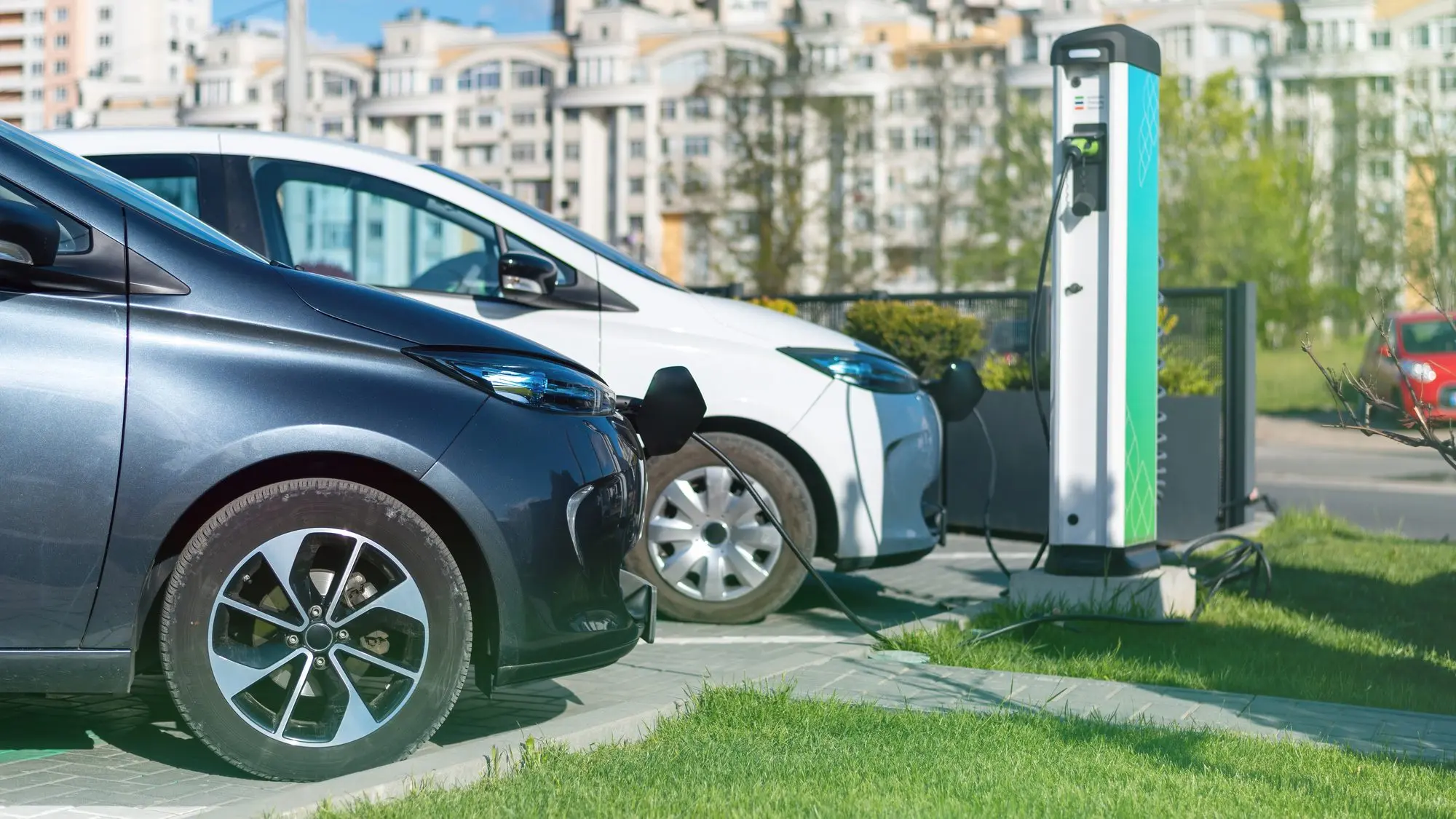
Charging an electric car around Lakewood comes down to Level 2 stations at shopping centers and parking structures, with faster DC chargers scattered along the routes west toward I-70.
Coverage near Belmar, along West Colfax and around Colorado Mills is dense enough for ordinary daily driving. The harder questions arrive later, when you are deciding which used vehicle to actually buy.
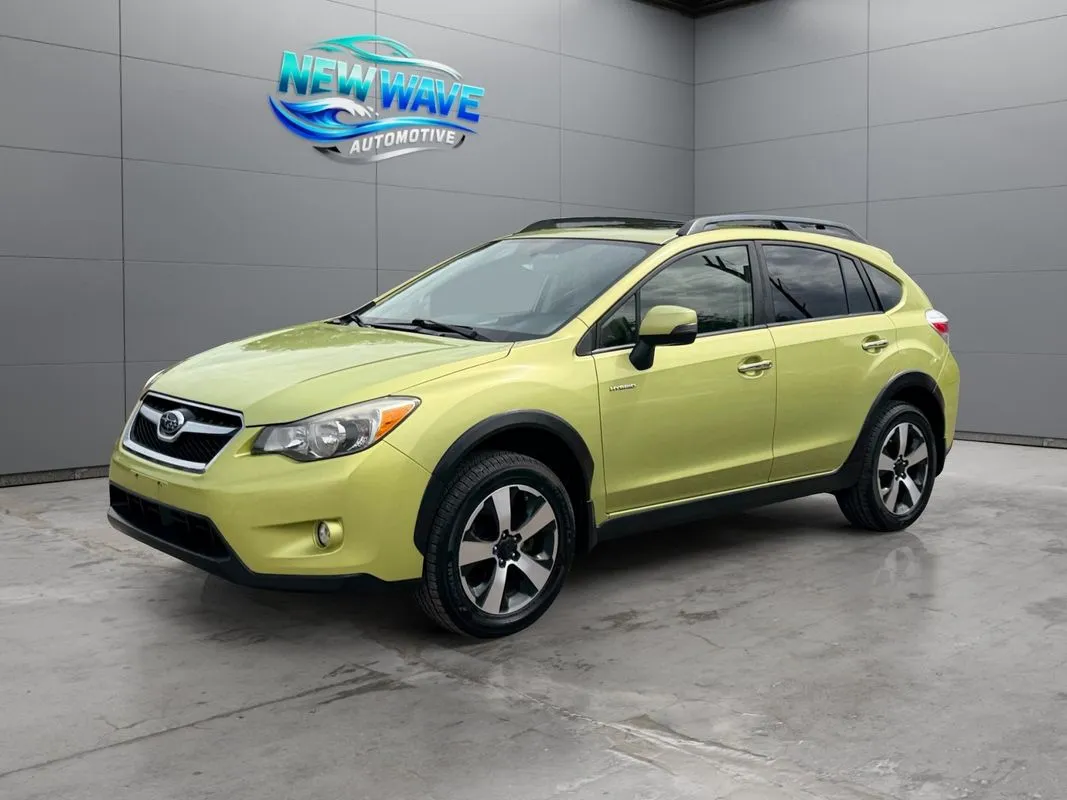
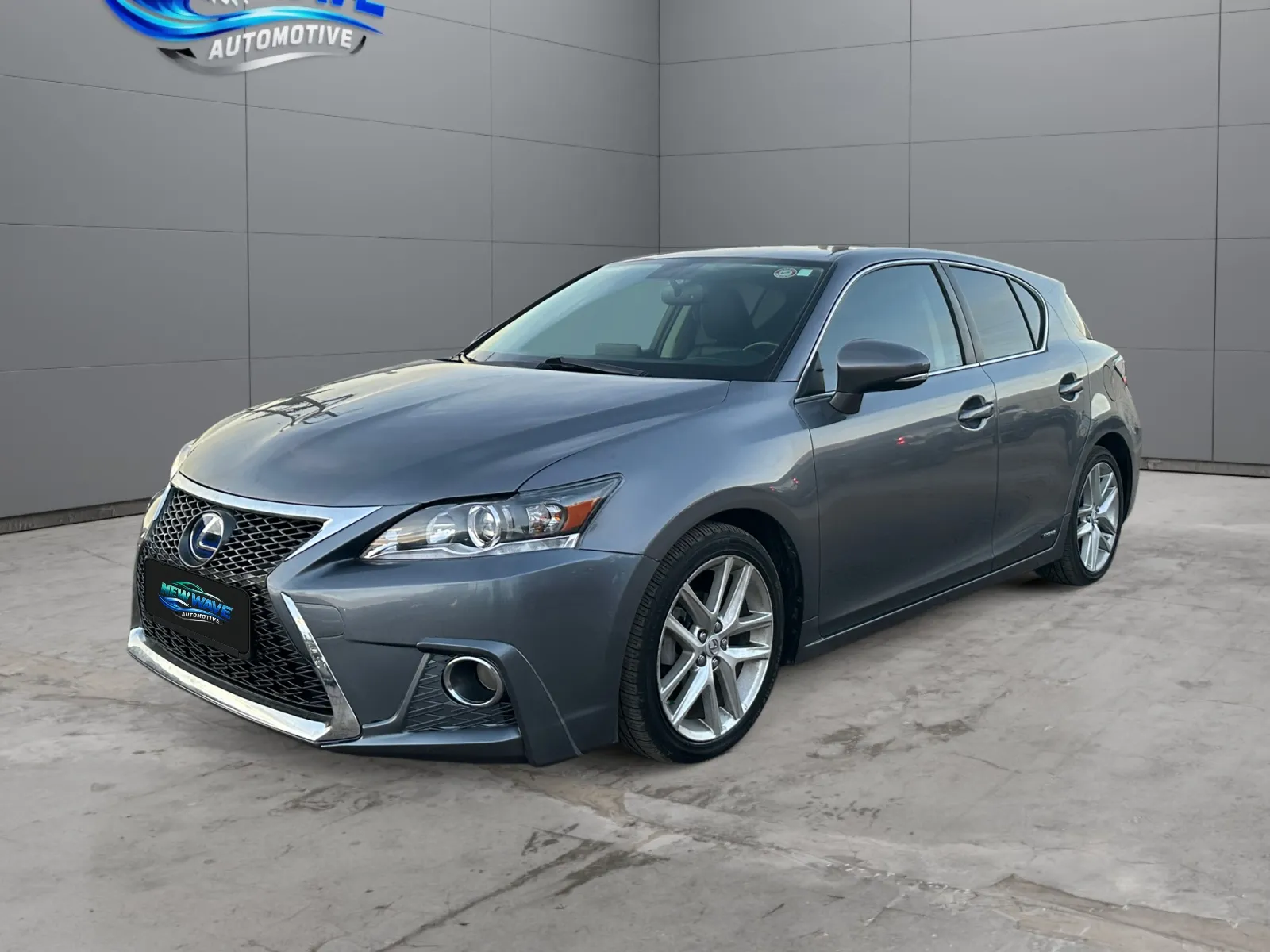
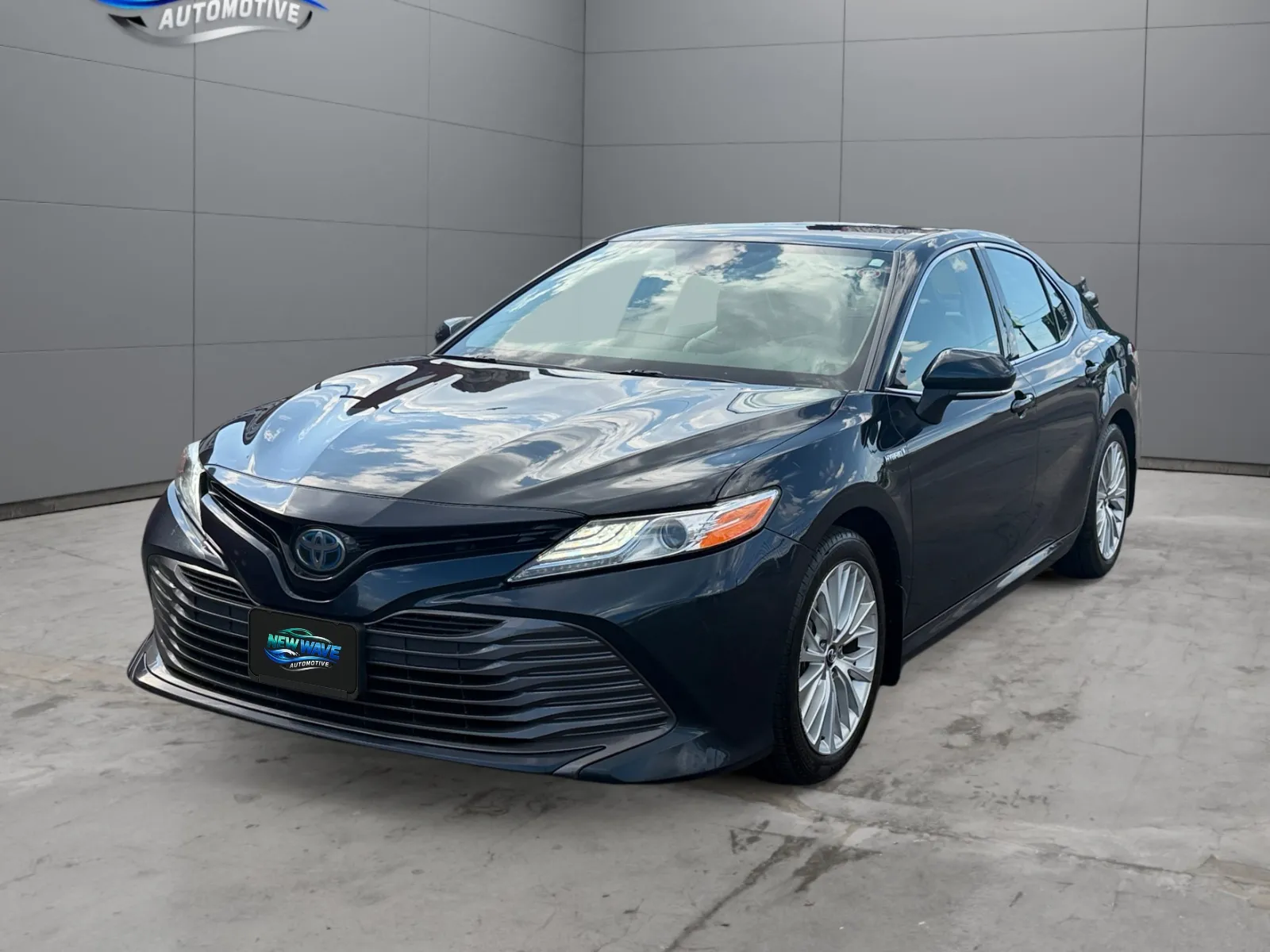
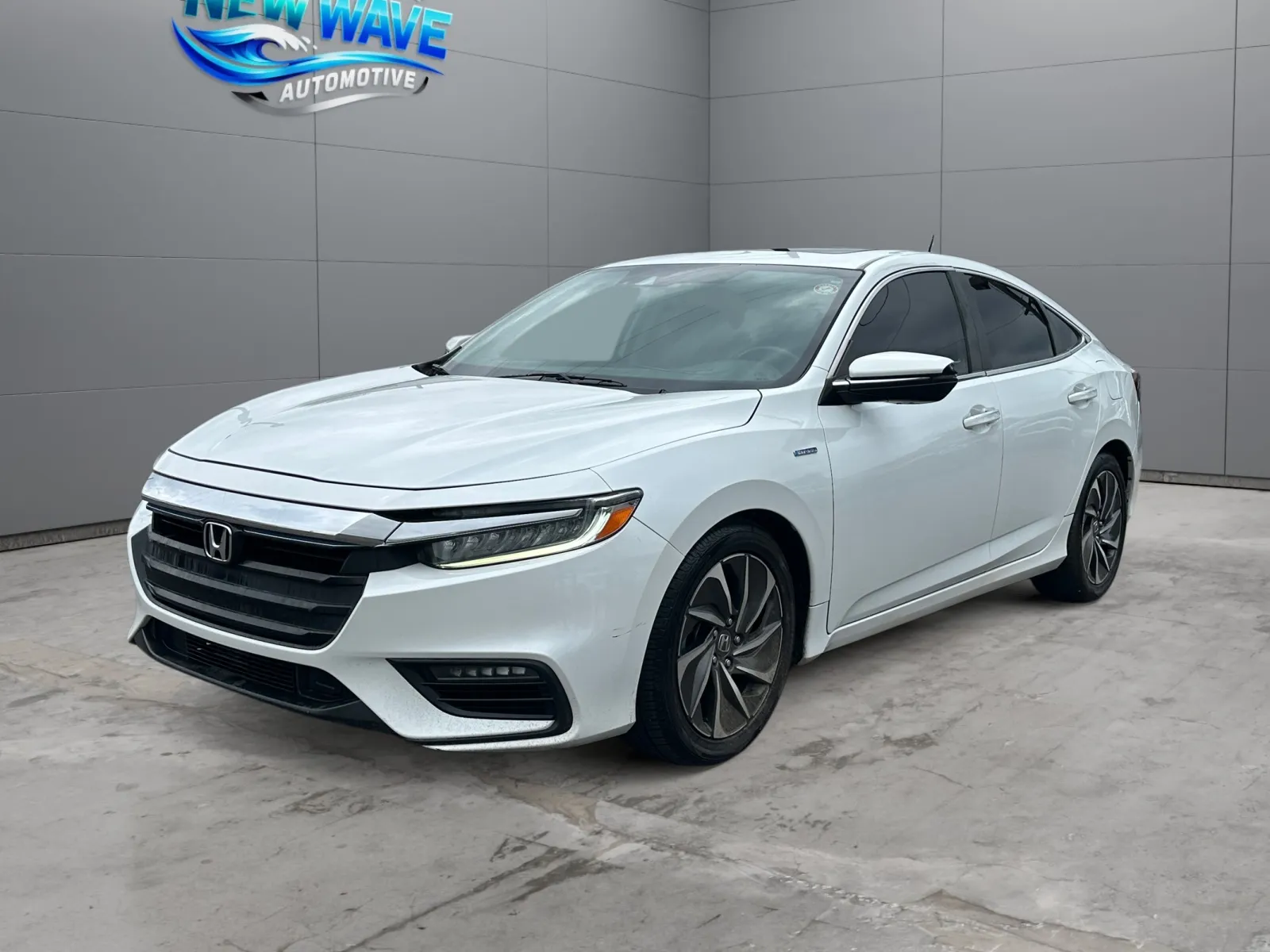
We sell used cars a few miles east of the Lakewood line on West Alameda Avenue, and hybrids move steadily off our lot. Working with a local car broker in this area means you get someone who actually knows which charging corridors matter and which neighborhoods still have gaps. What follows is what we tell buyers who come in asking whether the charging situation on this side of the metro is good enough yet.
Charging Levels and What Each One Means for a Commute
Charging runs on three levels, and the gap between them decides how you plan a day.
Level 1 is a standard 120-volt household outlet. It adds roughly 3 to 5 miles of range per hour, which is enough for a plug-in hybrid with a small battery and not much else. Owners of full EVs who try to live on Level 1 tend to give up on it within a month.
Level 2 runs on a 240-volt circuit, the same draw as an electric clothes dryer, and adds somewhere between 15 and 30 miles of range per hour depending on the car and the station. Nearly all public charging you will find around Lakewood is Level 2, and it is what most owners install at home.
Level 3, usually called DC fast charging, can put 100 to 200 miles into a compatible battery in 20 to 30 minutes. Not every vehicle accepts it. Some plug-in hybrids have no DC port at all, so check the spec sheet for the exact trim rather than the model line.
Connector standards have shifted in the past few years. Tesla's NACS connector has been adopted across much of the industry, and a number of non-Tesla models can now use Supercharger stalls, with or without an adapter depending on the vehicle.
Older cars use CCS, and some earlier Nissan Leafs use CHAdeMO, which is being phased out. On a used car, the connector is a spec worth confirming in writing before you commit, because it decides which half of the network is available to you.
| Level | Power | Range per hour | Where you use it |
|---|---|---|---|
| Level 1 | 120V outlet | About 3 to 5 miles | Home, plug-in hybrids only |
| Level 2 | 240V circuit | About 15 to 30 miles | Home garage, retail lots, workplaces |
| DC fast | 400V and up | 100 to 200 miles in 20 to 30 min | Highway corridors, some retail sites |
For a commute that stays inside the metro, Level 2 at home covers almost everything. A plug-in hybrid does better still, since the gas engine removes the planning problem entirely, which is part of why plug-ins keep showing up alongside the most fuel-efficient cars for Denver city driving.
Where the Chargers Actually Are Around Lakewood
Lakewood is served by the same networks that cover the rest of the metro. ChargePoint has the widest footprint, with stalls at retail centers, parking structures, and office parks. Blink and EVgo both have a presence on the west side, mostly at commercial sites and larger lots.
Retail is where the density sits. The Belmar area and the Colorado Mills corridor both have public charging installed by a mix of retailers and network operators, and the count shifts as leases turn over and new stalls go in.
Charging near civic buildings, transit stations, and large commercial lots has grown alongside Colorado's state-level EV incentives, which change often enough that any figure you read is worth checking against the Colorado Energy Office before you count on it.
No static list stays accurate for long, including this one. PlugShare, ChargePoint, and the Department of Energy's Alternative Fuels Station Locator show live availability, pricing, and connector type, which is what you need on the day. Check one before driving somewhere specifically to charge.
The I-70 corridor deserves separate thought. Fast charging west of Denver has expanded, but it is thinner than in-town coverage, and a busy ski Saturday can put a queue in front of the exact stall you were counting on.
What to Check on a Used Electric or Hybrid Vehicle
A used electric or plug-in hybrid needs a handful of checks that a gas car does not.
Battery health carries the most weight by a wide margin. A pack down to 70 or 75 percent of its original capacity still drives fine, but the range on the window sticker no longer applies to it, and fast charging tends to taper earlier in the session. Ask for a battery health report, or bring an OBD-II scanner and pull the state-of-health figure yourself. A number beats an adjective every time.
Then work through the rest:
- Charging port condition. Look for corrosion, heat discoloration, or bent pins. Replacement cost varies widely by model and is not always small.
- A live test charge. Plug the car in during the visit and confirm it accepts a charge at the rate it should.
- Connector type and DC capability, confirmed against the specific trim rather than the model line.
- Cooling system service history. Thermal management is what protects the pack, and neglect there shows up later as degradation.
- The vehicle history report, read specifically for damage near the battery pack or the charge port.
Every vehicle on our lot goes through a mechanical and safety inspection before it gets listed, and a free CARFAX report comes with each one. Select vehicles that carry a free 3-month, 3,000-mile certified warranty as well. The hybrids currently on the lot turn over week to week, so what is there today is worth a fresh look even if you checked last month.
Home Charging in Lakewood: What the Setup Involves
Most owners do the bulk of their charging at home, which makes the garage outlet a bigger decision than the public map.
A Level 2 setup needs a 240-volt circuit, and in most homes that means a licensed electrician running a dedicated line out to the garage or driveway. Cost depends on the panel: how much capacity is free, how far the parking spot sits from the panel, and whether a service upgrade is needed at all.
Older housing stock west of Federal and in the neighborhoods around West Colfax is more likely to need panel work than a newer build. Get two written quotes, and ask each electrician to confirm the panel has headroom before any equipment gets ordered.
Renting complicates it. Some Lakewood and West Denver landlords will approve an installation and some will not, and that conversation goes better before you buy the car than after. If home charging is off the table, a conventional or plug-in hybrid is the lower-friction choice, and it is the one we end up recommending most often to renters.
Range, Altitude and the Drive Up I-70
The question that comes up first on the lot is whether the car can get to the mountains and back.
Rated range gets measured on flat ground near sea level. Denver sits at 5,280 feet, and the climb west of town adds thousands more, so real consumption on an I-70 run is higher than the sticker suggests. Cold weather compounds it, and a Colorado February will take a visible bite out of range on any battery.
Vehicles rated around 200 miles or more handle a Lakewood-to-Breckenridge trip with one planned charging stop and no real drama. Below that, or on a pack that has already given up a quarter of its capacity, the same trip turns into a planning exercise. Regenerative braking returns some range on the descent, which surprises first-time owners, but it doesn't close the gap on the way up.
If mountain trips are a regular part of your year rather than an occasional one, buy more range than your commute needs.
That call gets easier with the specific car in front of you. West Alameda Avenue is a straight run east from Lakewood, and hybrid stock turns over week to week, so what is on the lot today is worth a fresh look. Every vehicle gets a mechanical and safety inspection before listing and comes with a free CARFAX report, and select vehicles carry a free 3-month, 3,000-mile certified warranty.
Common Questions From Lakewood Buyers
Can I own a full EV in Lakewood without home charging?
Can a plug-in hybrid use a DC fast charger?
How much battery degradation is normal on a used EV?
Do you have electric vehicles on the lot?
Related Topics: