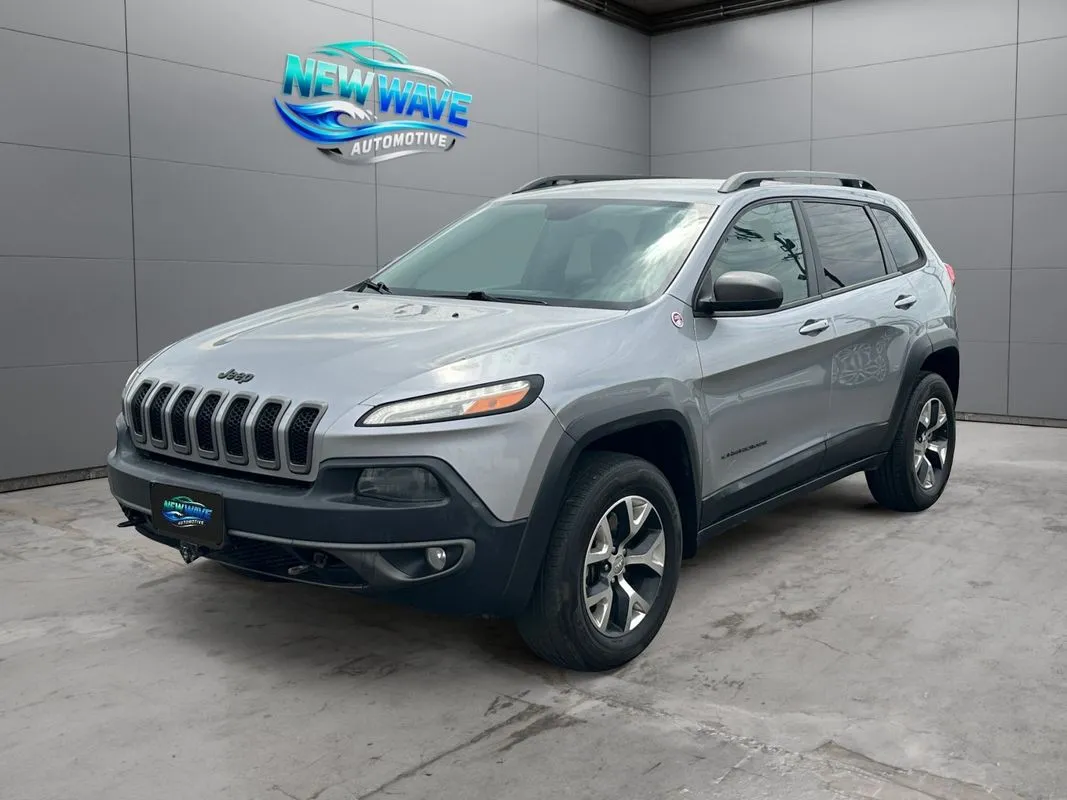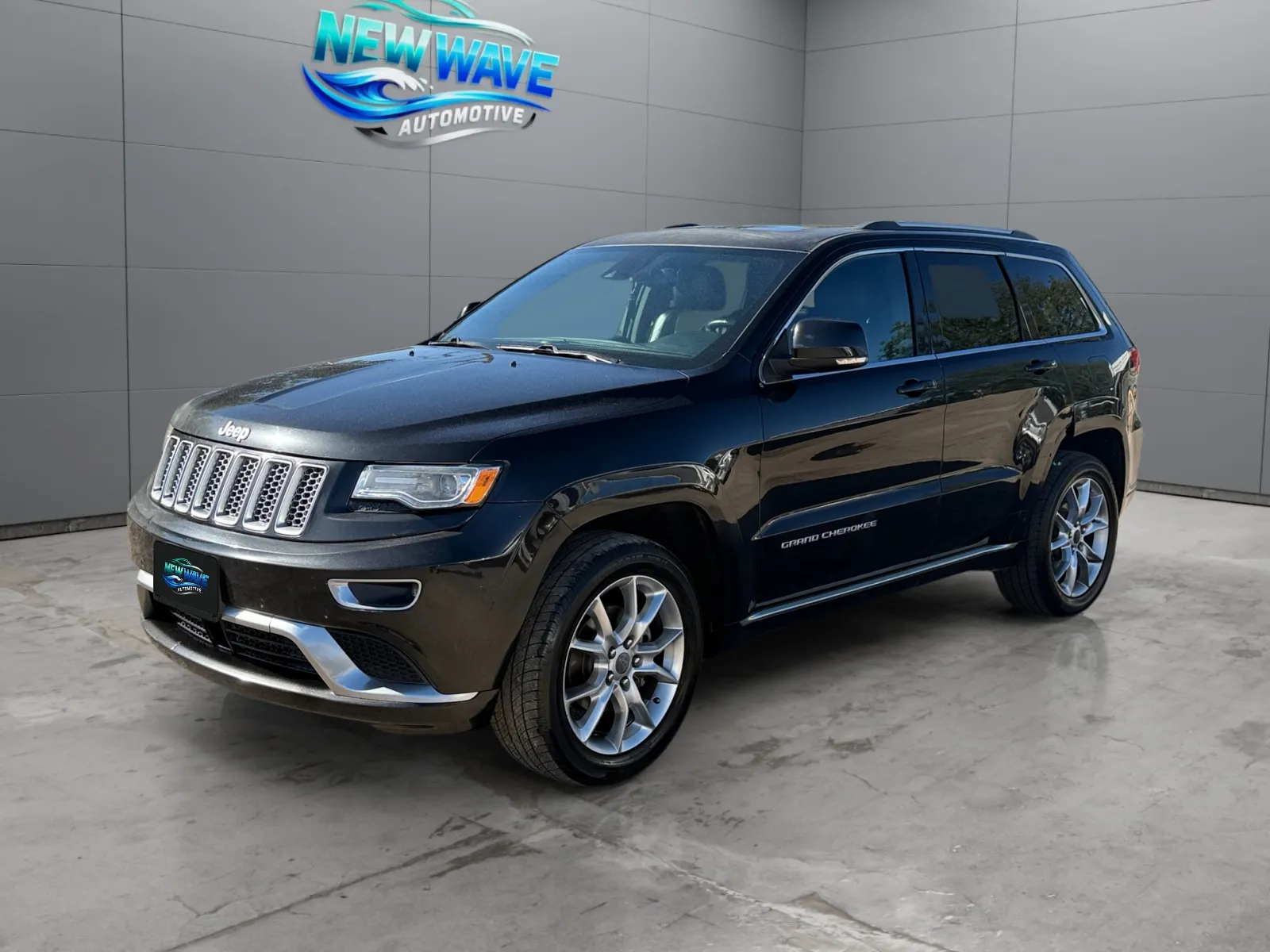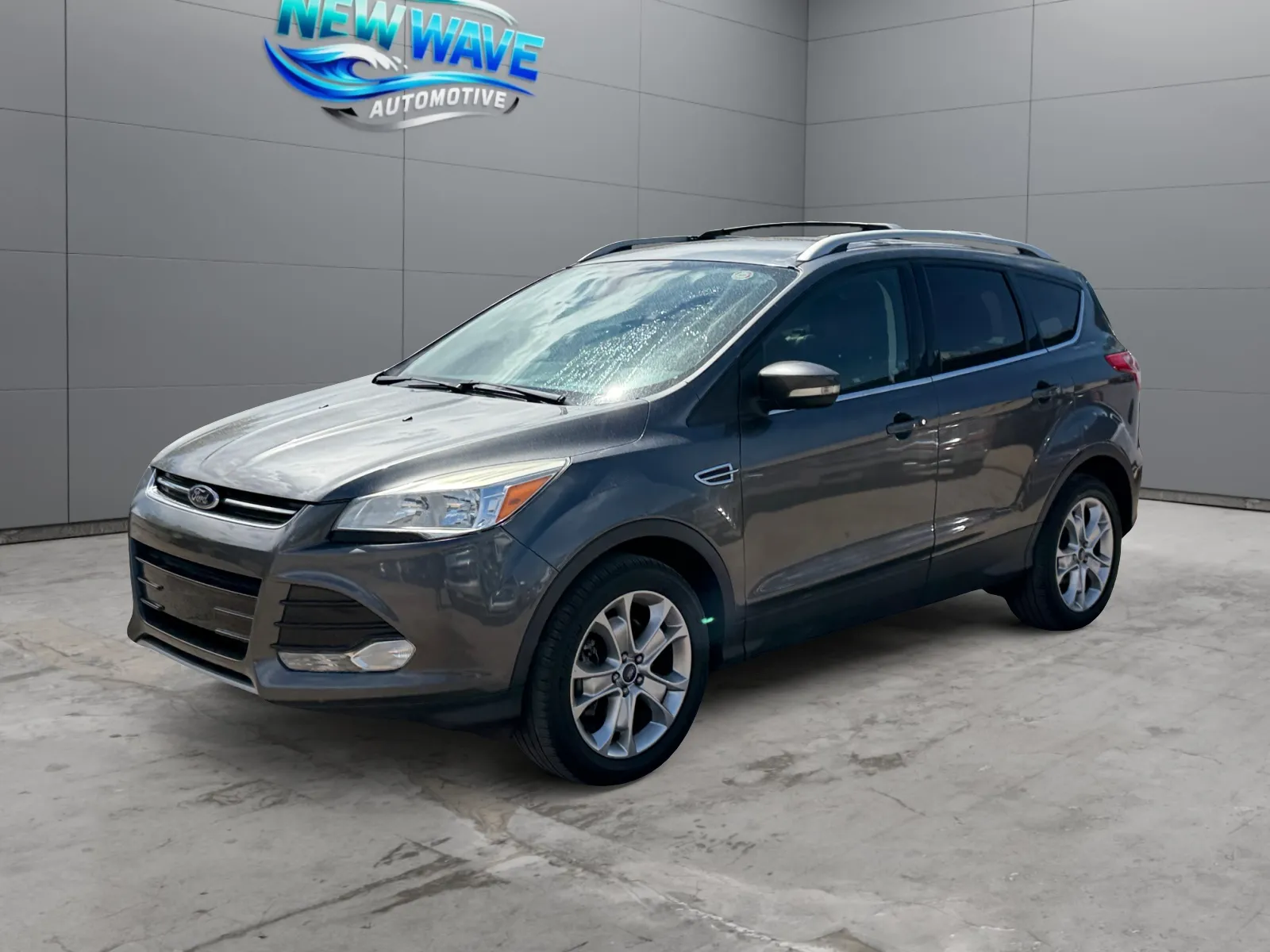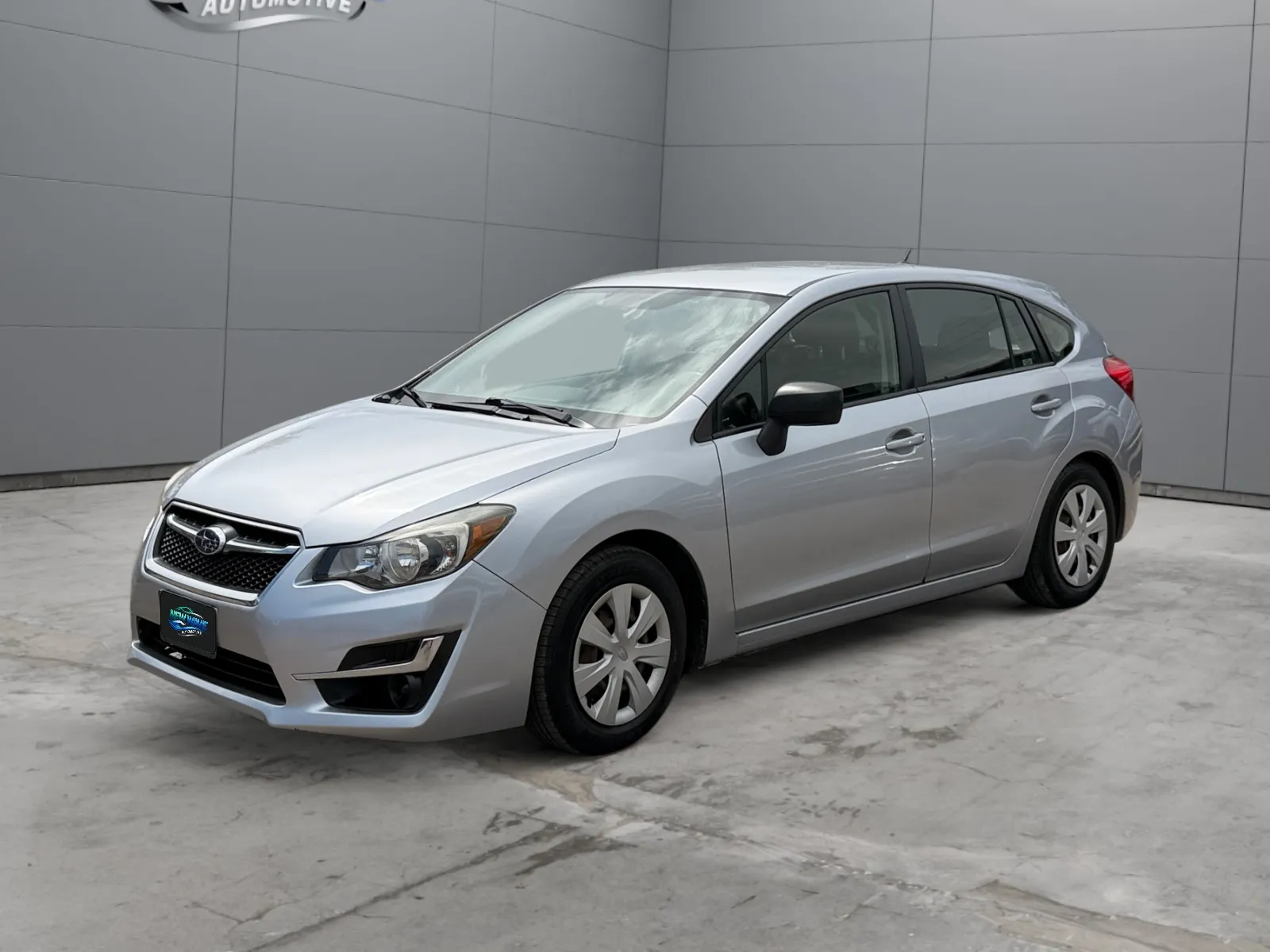
How to Test Drive a Car Like a Pro in Denver

Most buyers spend more time researching a restaurant than they spend on a test drive. That is a problem since a test drive is the best opportunity to catch mechanical issues, fit problems, and deal-breakers before committing. A skilled car broker who encourages thorough test drives and provides vehicle history reports up front is the kind of operation that stands behind what it sells. Here is how to use that time well.
Schedule Ahead and Inspect Before You Start the Engine
Call ahead or request a test drive online so the vehicle is ready when you arrive. This gives you the full evaluation window rather than spending part of it waiting for staff to locate keys and prepare the car.
Before turning the key, walk around the entire vehicle. Check for uneven panel gaps, mismatched paint, or signs of prior body repair. Look at tire wear patterns, as uneven wear on the inside or outside edges can indicate alignment issues or suspension wear. Check all four tires and look under the vehicle for evidence of leaks before starting the engine.
Open the hood and check fluid levels, belts, and hoses. Test drives for any vehicle in the current inventory are available at 1262 West Alameda Avenue, Denver, CO 80223. Visit https://www.drivethewave.com/ for current hours.
Start the Engine Cold If Possible
A cold start reveals more than a warm one. Listen for ticking, knocking, or rattling that fade once the engine warms, since these sounds can indicate valve or bearing wear that is masked once oil circulates, and metal components reach operating temperature.
If the vehicle has already been running when you arrive, ask whether it can be driven again after sitting so you can listen to the startup. Not all situations allow this, but it is worth asking.
Cover These Specific Road Conditions in Denver
Denver's road conditions make a varied route both practical and informative. City streets test stop-and-go acceleration, braking feel at low speeds, and handling in tight turns, which make up a significant portion of Denver commuting. Highway entry reveals how the vehicle accelerates under load, and hesitation, rough shifts, or sluggishness during hard acceleration onto a freeway is worth noting.
Highway speeds expose vibration, wind noise, or handling instability at sustained speed, which is relevant for extended Colorado highway travel. Uphill sections test how the engine and transmission respond under load, and Denver has enough elevation change throughout the metro that even a short uphill grade tells you something meaningful about drivetrain condition.
What to Listen to and Feel for During the Drive
Transmission shifts should be smooth and timely throughout the drive. Harsh shifts, slipping, or delayed engagement are all red flags worth taking seriously. Steering should feel direct with no excessive play, vibration, or pulling to one side.
Brakes should have no grinding, squealing, or directional pull when applied, and hard braking in a safe location should be tested to confirm the vehicle stops straight. Over bumps and rough pavement, listen for clunking or rattling that signals worn bushings or struts. Test both heat and air conditioning fully during the drive, even if the weather does not call for it, since finding out an HVAC system does not work after purchase is an avoidable problem.
Ask for the Vehicle History Report After the Drive
After the drive, ask for the vehicle history report. Free CARFAX reports are provided on all vehicles at Drive the Wave. Review it for prior accidents, title issues, the number of previous owners, and recorded service history.
A clean drive combined with a clean vehicle history report gives you a reliable picture of what you are buying before any paperwork begins.
Related Topics: