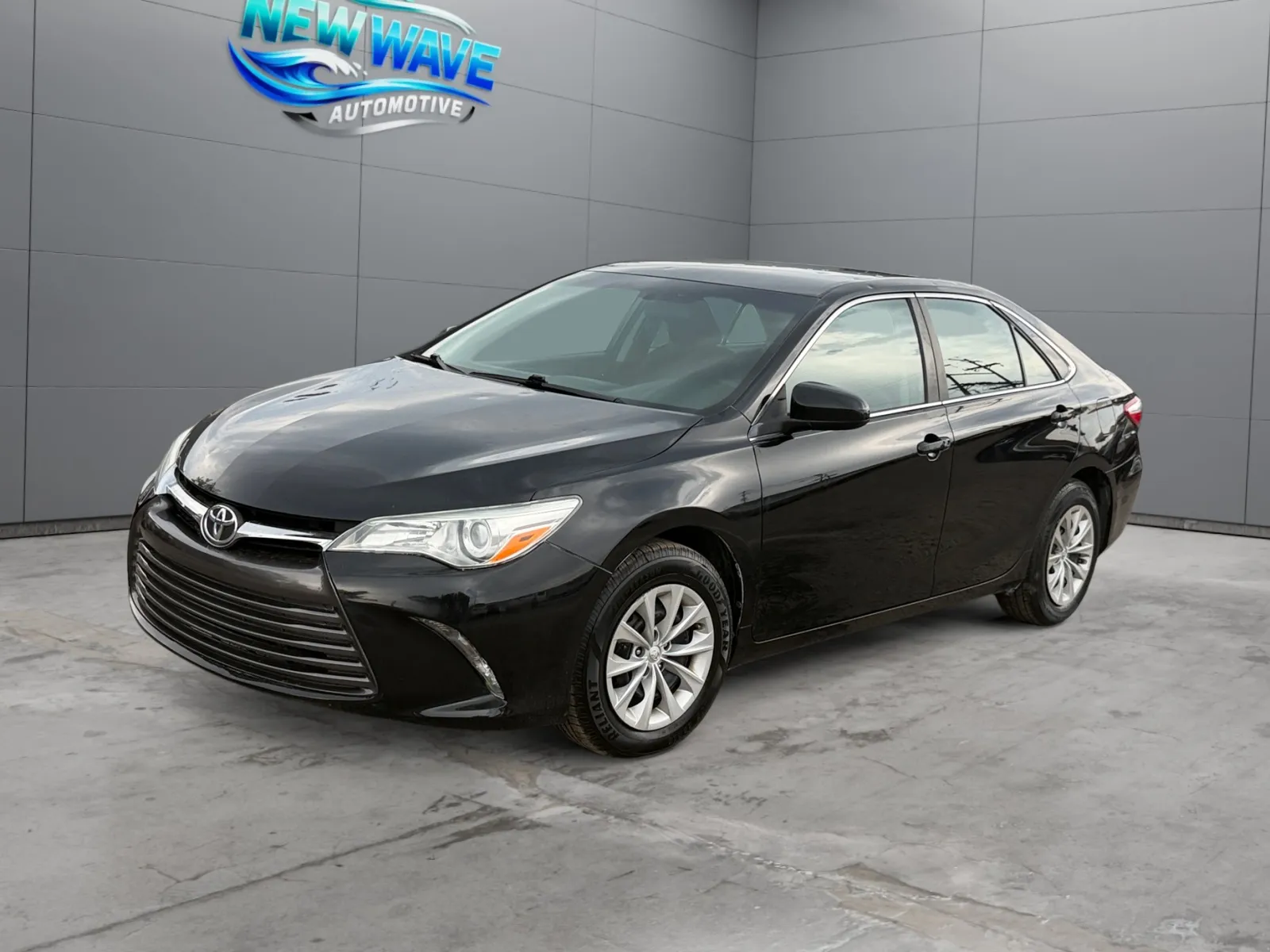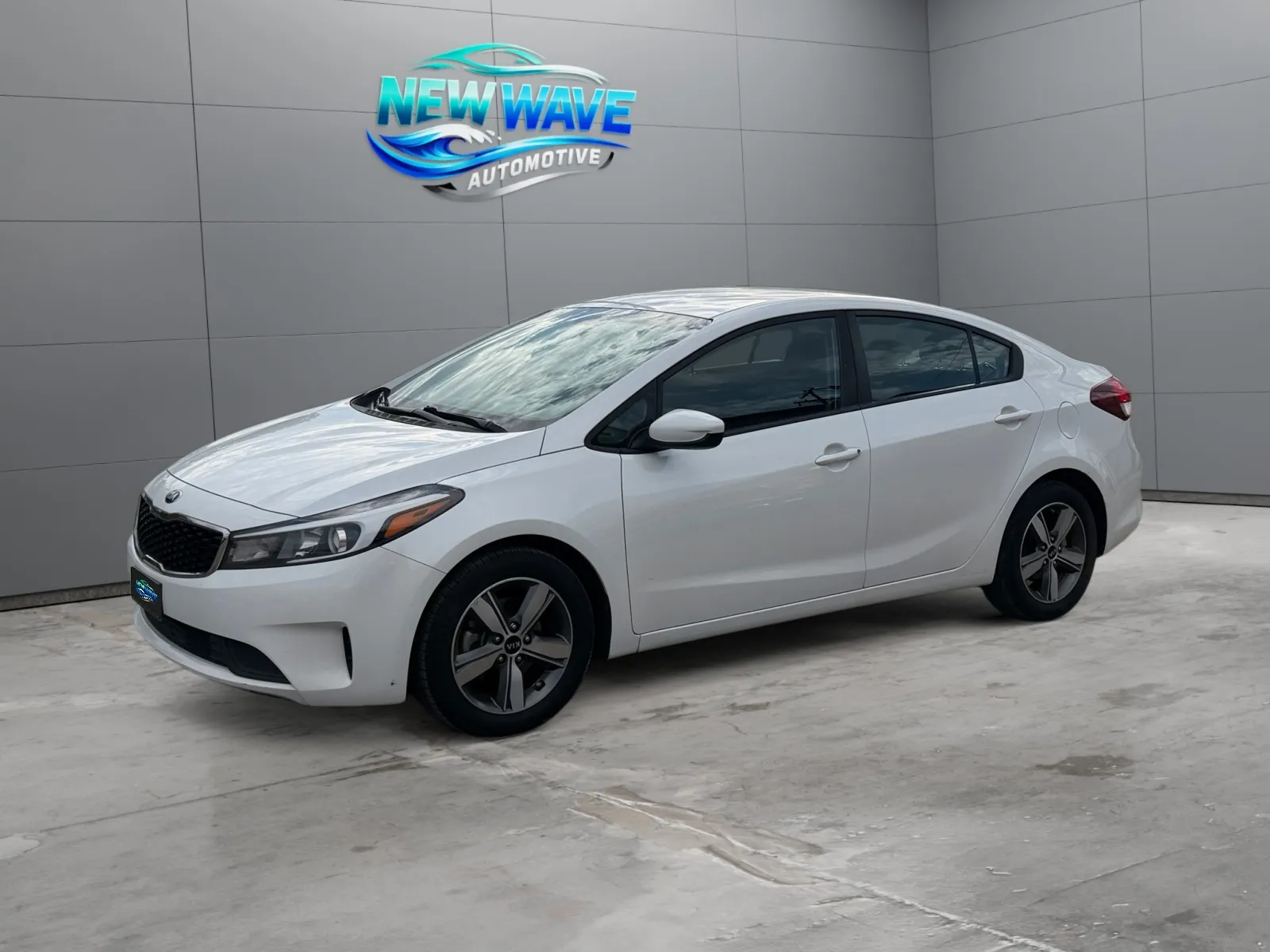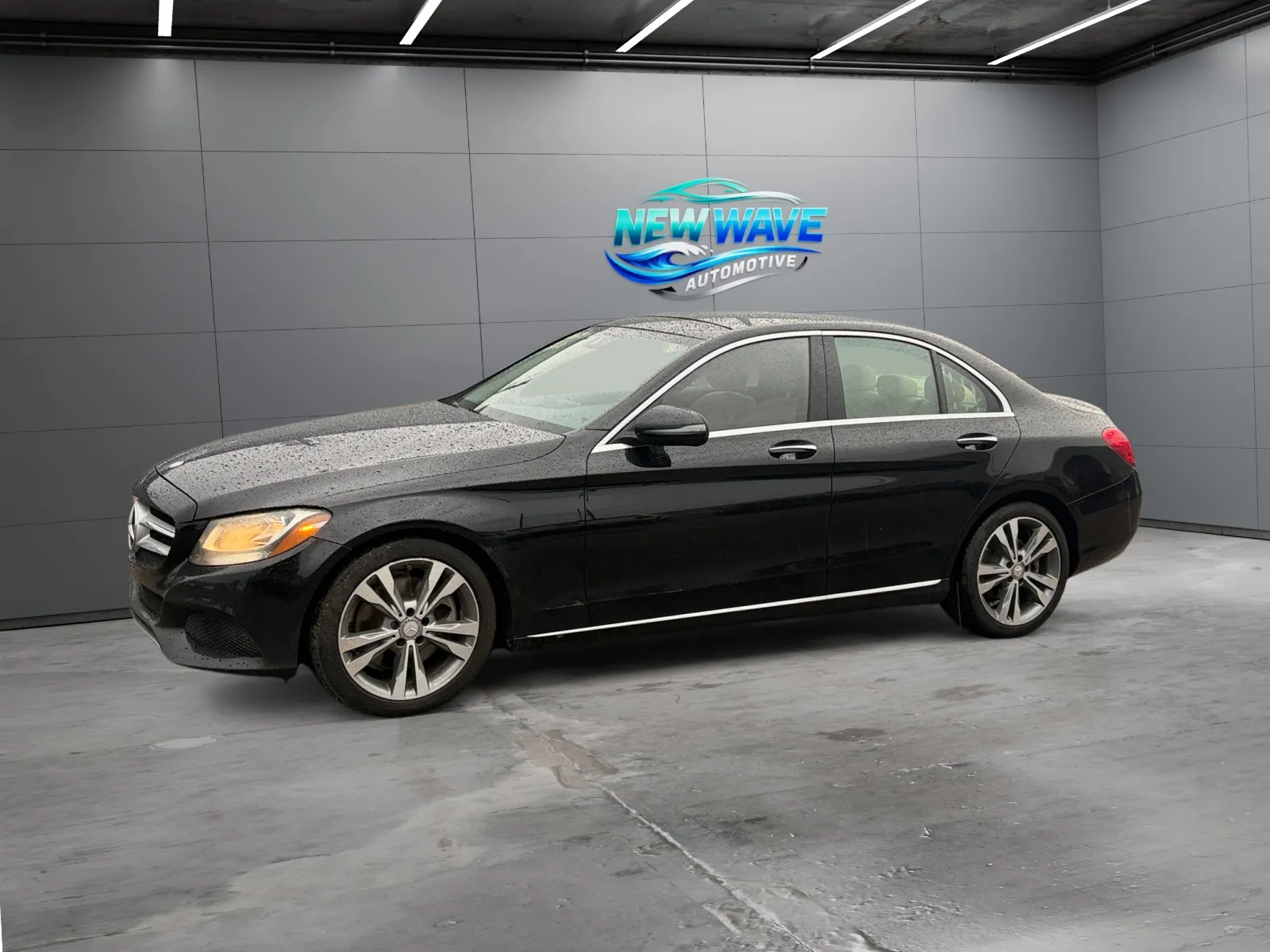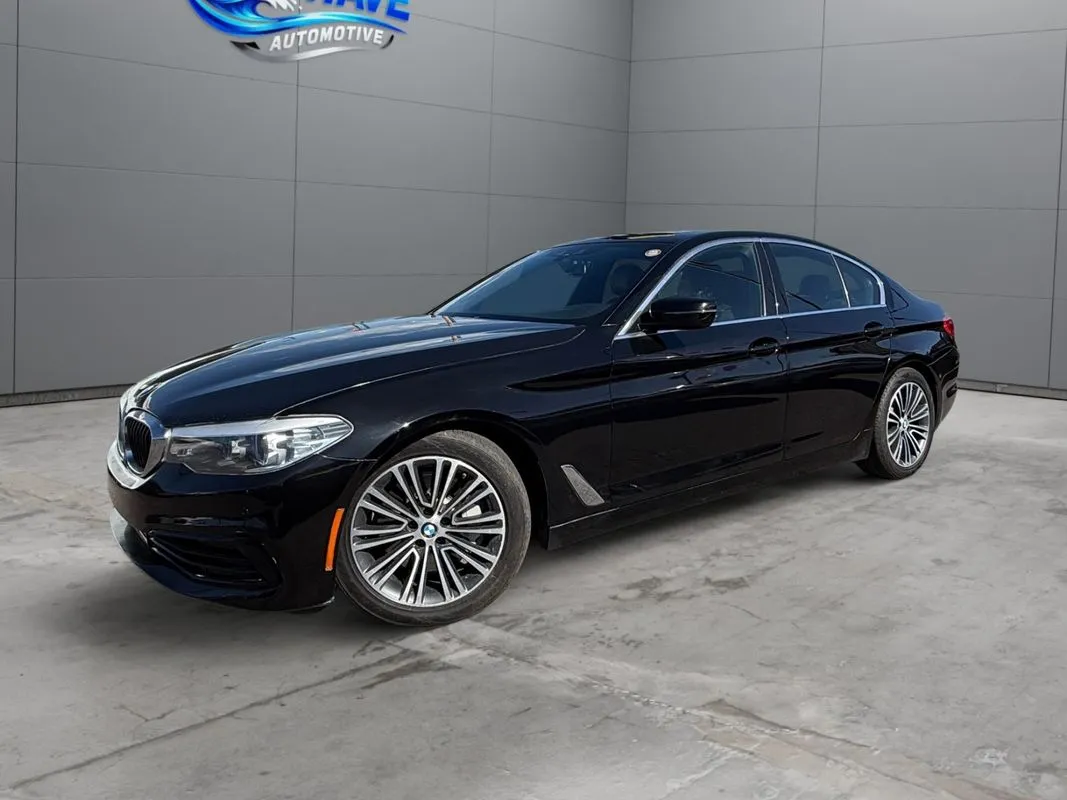
Car Dealerships in Lakewood, CO: Pricing & Options
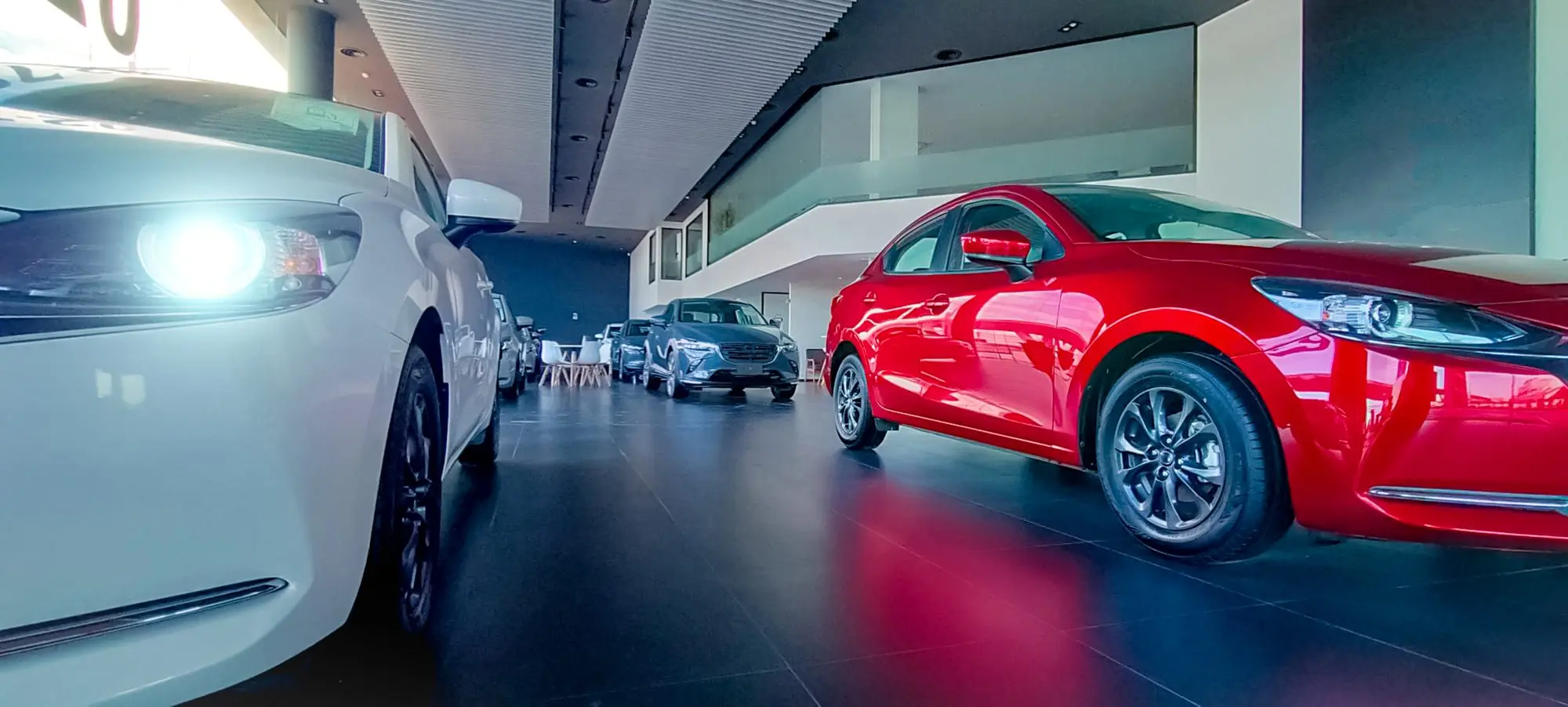
Most of the Denver metro sits within a short drive of Lakewood, so the hard part is not finding a lot. It is telling them apart. Inspection standards, fee structures, and financing access differ more between two dealerships on the same stretch of road than most buyers expect going in.
Three numbers decide whether a deal is a good one: the vehicle price, the out-the-door total, and the interest rate you actually qualify for. Working with an experienced Denver, CO auto broker means someone is actually watching all three of those numbers on your behalf. A dealership that is straight with you from the start is rarer than it should be, and the rest of this page is about how to spot one.
What Used Vehicles Cost Around Lakewood
Prices across the Front Range have not gone back to where they were before 2020. Supply pressure in 2021 and 2022 pushed values up, and even though the market has cooled a bit since then, the floor is just higher now. That matters a lot when you are trying to plan a budget.
Two vehicles with the same year and mileage can still be priced thousands apart, you know. Documented service history and a clean vehicle history report explain most of that gap. Checking comparable sales across the metro helps you figure out whether an asking price is fair or just optimistic.
| Price band | What tends to be available | Good to know |
|---|---|---|
| Under $15,000 | Higher-mileage sedans and compacts, older SUVs | Mostly front-wheel drive at this level |
| $15,000 to $25,000 | Mid-size sedans, crossovers, AWD SUVs in the three to six year range | The widest choice of body types |
| $25,000 and up | Newer model years, lower mileage, 4x4 trucks | Capable 4x4 trucks often run toward $40,000 |
Average car prices around here reflect something pretty specific to this area. All-wheel drive and 4x4 options carry a real premium because Front Range demand for them runs above the national average. If mountain access isn't really part of your week, a front-wheel-drive sedan gets you noticeably more car for the same money.
The Fees That Decide Your Out-the-Door Price
Colorado sets no cap on dealer documentation fees, so the amount is whatever each lot decides. Across the Denver market, it lands somewhere between $300 and $700. The fee is usually non-negotiable because every buyer pays the same figure, but it should appear as its own line rather than folded into the vehicle price.
Sales tax is the line that catches Lakewood buyers out. The state rate is 2.9 percent, then city, county, and special district taxes stack on top, and Colorado calculates the total from your registration address rather than the dealership's. A Lakewood resident and an Aurora resident buying the same vehicle from the same Denver lot can owe different amounts. For most metro buyers, the combined rate lands between 7 and 9 percent.
Ask for these five items itemized before you agree to anything:
- Documentation fee. Its own line, disclosed upfront, separate from the vehicle price.
- Sales tax. Calculated on your registration address, not the dealership's location.
- Specific ownership tax. Based on the vehicle's original MSRP and falling each year it ages.
- Title and registration. Varies by county, so Jefferson County will not match Denver County.
- Add-on products. Extended warranty, GAP insurance, and paint protection. Each is optional, and each should be named out loud.
A dealership with nothing to hide hands that break down over without being asked twice. How each of those charges is calculated in Colorado is worth reading before you sit down at a finance desk, because the numbers are much easier to question when you already know roughly what they should be.
Financing When Your Credit Is Not Perfect
Not every dealership shops your application. Some just send it to a single lender, wait for whatever comes back, and call it a day. If that lender says no, you are left with a hard inquiry on your report and nothing to show for it.
That is where auto financing through a lender network makes a real difference. Instead of one shot, your application goes through multiple lenders, which opens the door for buyers whose credit sits below what a single institution would touch. People with past bankruptcies, repossessions, or no credit history at all have been approved this way. The pre-qualification step is a soft inquiry, so it does not affect your score.
Walking in with an approved amount and rate already in hand changes things at the finance desk, you know. You have a real number to hold any offer against. If the lot can beat it, great. If not, you have lost nothing.
What Separates One Lot From the Next
Inspection policy is the clearest dividing line in this market. Some lots take a vehicle in on trade, wash it, and list it the same week. Others put every unit through a mechanical and safety check before it gets a price at all. Nothing in the listing tells you which kind of lot you are dealing with, which is why you have to ask.
Every vehicle here is hand-inspected before it goes on the lot, and every listing includes a free CARFAX report at no charge to you. Qualifying vehicles also carry a no-cost three-month or 3,000-mile certified warranty backed nationwide through AVP, covering components across the air conditioning and electrical systems, among others. That coverage applies to select vehicles rather than the whole lot, and some units are excluded, so confirm the coverage on the specific vehicle you are considering before you count it as part of the deal.
Two questions sort operations quickly. Was this vehicle inspected, and by whom? Is the history report free? A lot that charges you for a CARFAX, or cannot say whether anyone looked the car over, has already answered the question you were really asking.
The other thing to check is what the dealership does with a vehicle it cannot stand behind. Wholesale it, or list it anyway with the problems priced in and disclosed? Both are legitimate. Quietly listing it as though nothing is wrong is not, and a service record you are allowed to read is the fastest way to tell the difference.
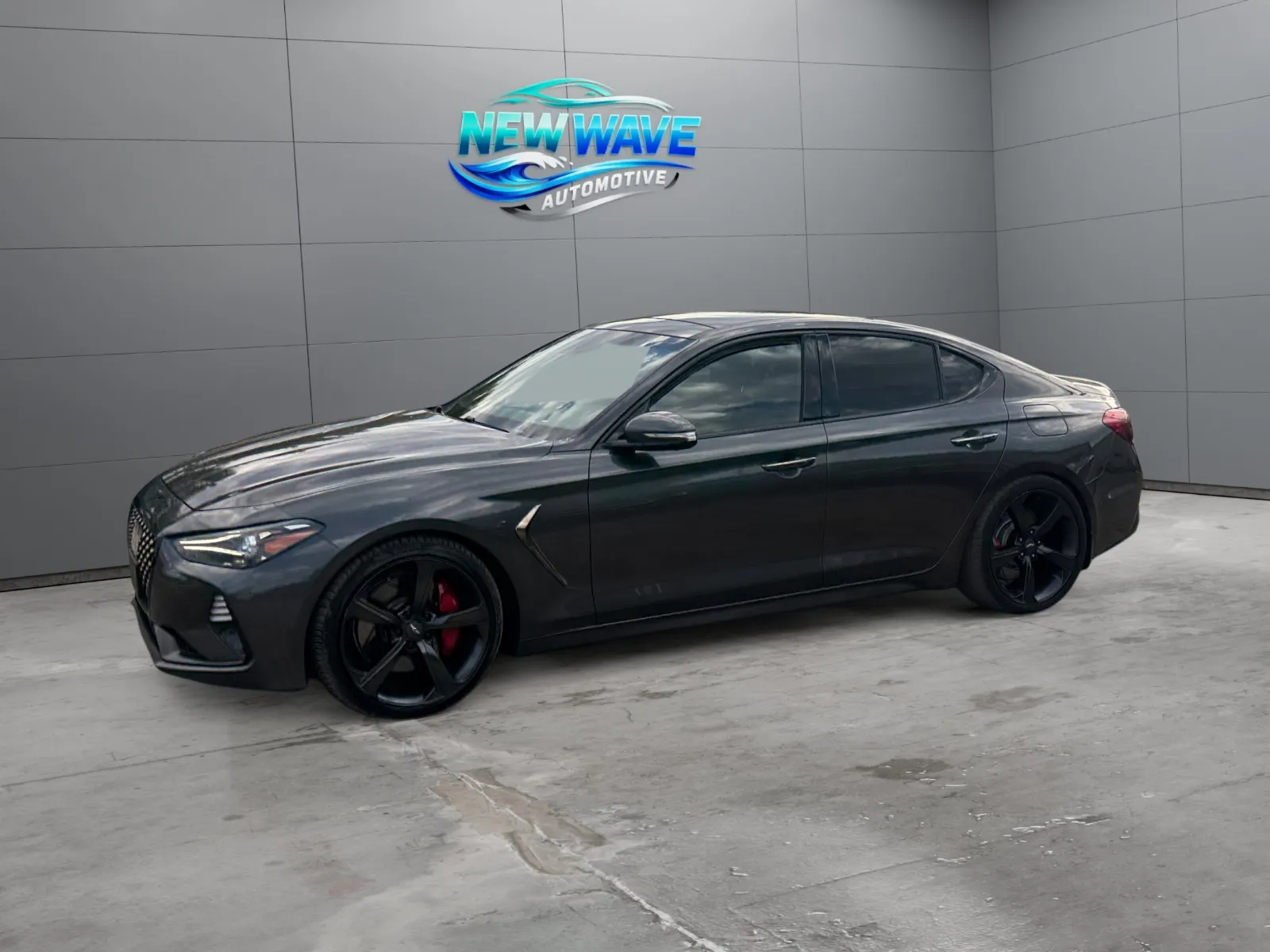
Our lot at 1262 West Alameda Avenue is a straight run east on Alameda from Lakewood. Come see what is on the ground today, and bring the out-the-door numbers from any other dealership you are considering. We will go through them line by line with you, including the lines nobody volunteers.
Questions Lakewood Buyers Ask
Do I pay Denver's sales tax if I live in Lakewood?
Will the vehicle need an emissions test?
Who handles the title and registration?
Is a car broker a better route than a dealership?
Related Topics: