Best Fuel-Efficient Cars for City Driving in Denver
Table of Contents
- What Denver's Traffic Pattern Means for Fuel Economy
- Hybrids vs. Traditional Gas Vehicles for Denver City Driving
- Body Types Worth Considering for Denver Commuters
- Mountain Driving and the Fuel Efficiency Trade-Off
- What to Look at in a Used Vehicle's Fuel Economy Record
- Fuel-Efficient Options We Carry for Denver Drivers

Denver commuters deal with a distinct mix of driving conditions: stop-and-go congestion on I-25 and Colorado Boulevard, open highway stretches between neighborhoods, and for many residents, regular trips up I-70 into the mountains. That combination means fuel efficiency isn't just about saving money at the pump. It's about finding a vehicle that genuinely fits what Denver drivers put it through every day.
As a highly-rated car broker backed by skilled consultants, we work through this trade-off with buyers every week. Here's what's worth knowing before you decide.
What Denver's Traffic Pattern Means for Fuel Economy
Most published fuel economy ratings reflect a blended combination of city and highway driving. Denver's traffic reality tends to skew more toward city-style driving than those ratings assume, especially during peak hours on I-25 through downtown or on Colorado Boulevard heading south.
Stop-and-go traffic is where traditional gasoline engines lose the most efficiency. Hybrids recover energy during braking through regenerative systems, which makes them a meaningfully better fit for urban commuting patterns than the EPA combined number might suggest on paper.
Hybrids vs. Traditional Gas Vehicles for Denver City Driving
A hybrid performs best in the exact conditions Denver produces most often. That means slow-moving traffic, frequent stops, and shorter highway segments where the electric assist contributes meaningfully to fuel savings. The efficiency gains are most pronounced in city patterns where traditional engines are at their least efficient.
For buyers who also drive I-70 regularly for ski season or mountain access, the calculation shifts slightly. At sustained highway speeds, hybrids and traditional gasoline engines are much closer in fuel use. A hybrid still makes sense in that scenario, but the efficiency gap is smaller. Browse our hybrid inventory to see what we currently have available.
Body Types Worth Considering for Denver Commuters
Smaller sedans and hatchbacks tend to deliver the best fuel economy at city driving speeds, and they're easier to park in Denver's denser neighborhoods. For buyers primarily driving within the city, a compact or mid-size sedan in the $15,000 to $20,000 range provides efficiency without sacrificing reliability.
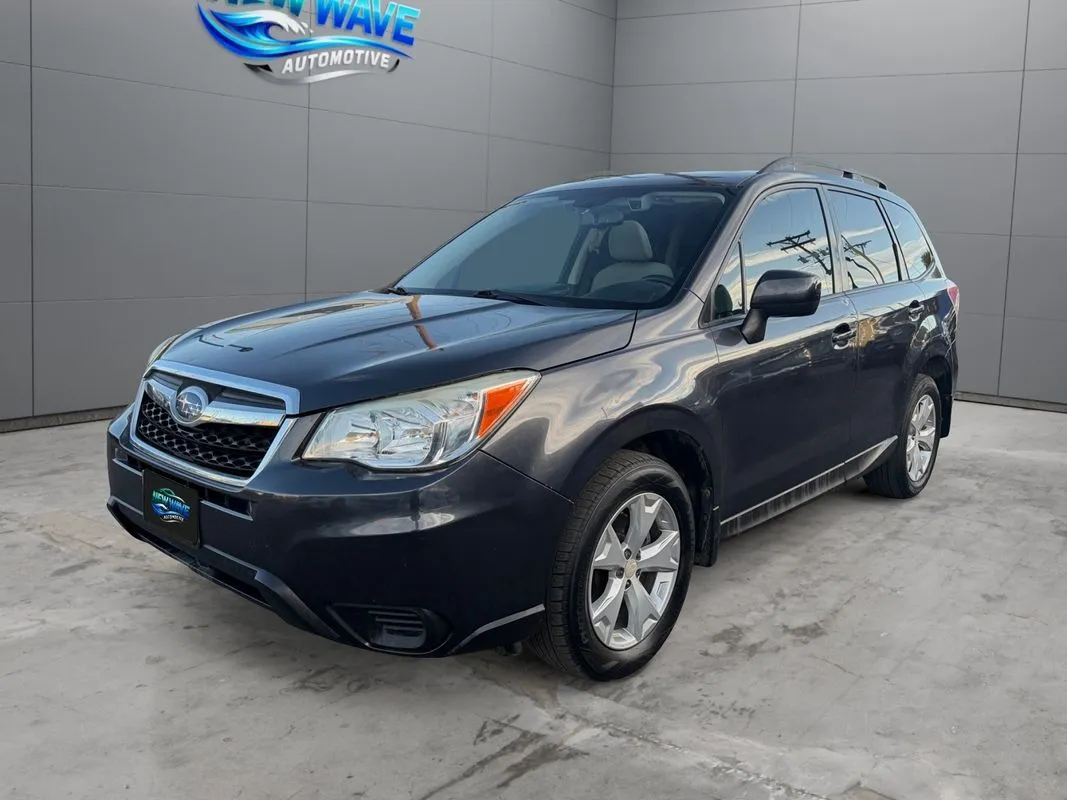
Wagons are a middle ground that many Denver buyers overlook. They offer more cargo space than a sedan without the fuel penalty that comes with a full-size SUV. If you need utility without needing a truck, a wagon can be a practical and often underpriced choice. Our cars page and our page for vehicles under $20,000 are good places to start that search.
Mountain Driving and the Fuel Efficiency Trade-Off
I-70 west of Denver changes the vehicle conversation. Significant elevation gain from Denver up to mountain passes puts far more demand on a drivetrain than flat highway driving does. Smaller displacement engines that perform well in city conditions can work noticeably harder in that environment.
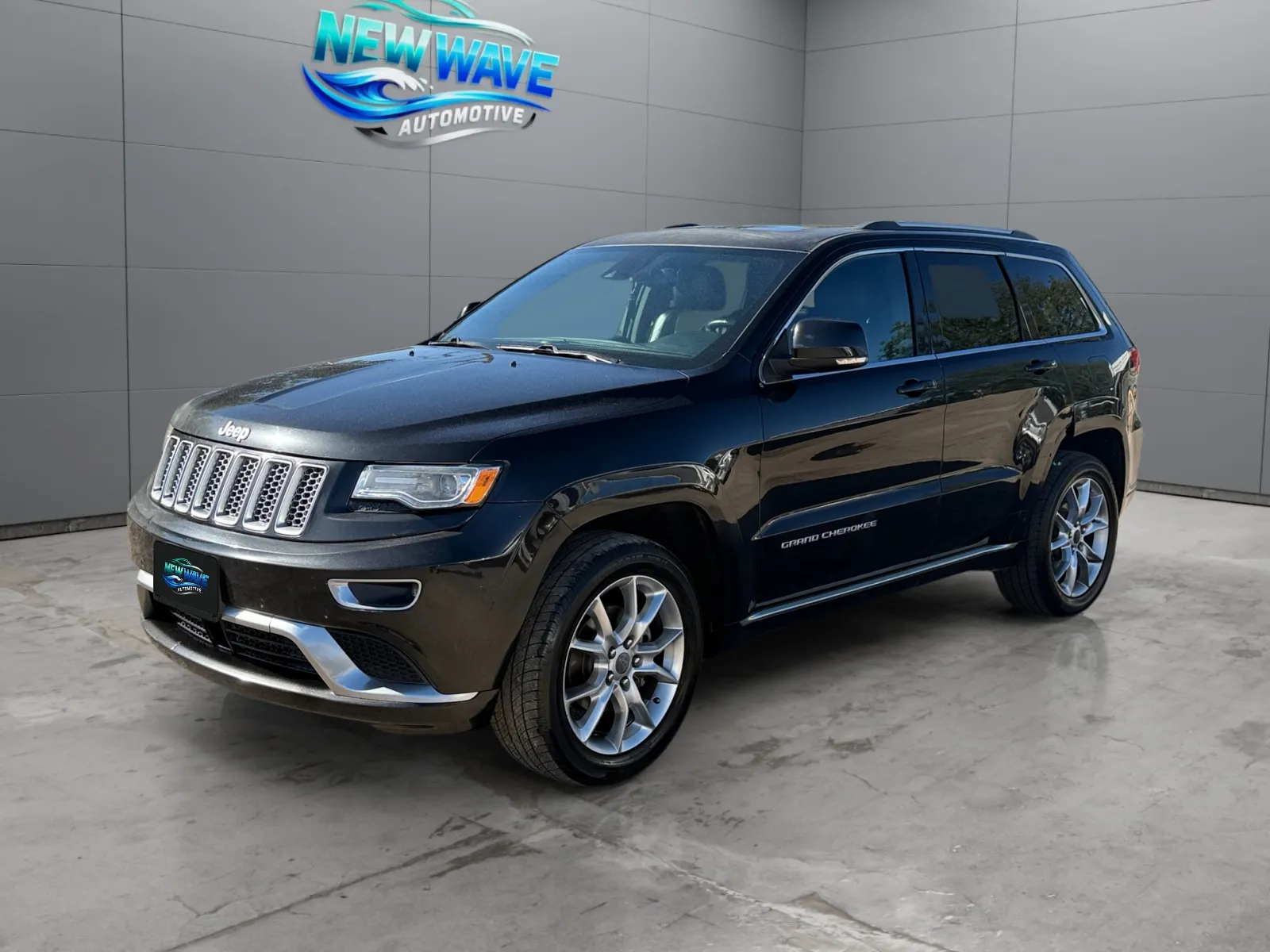
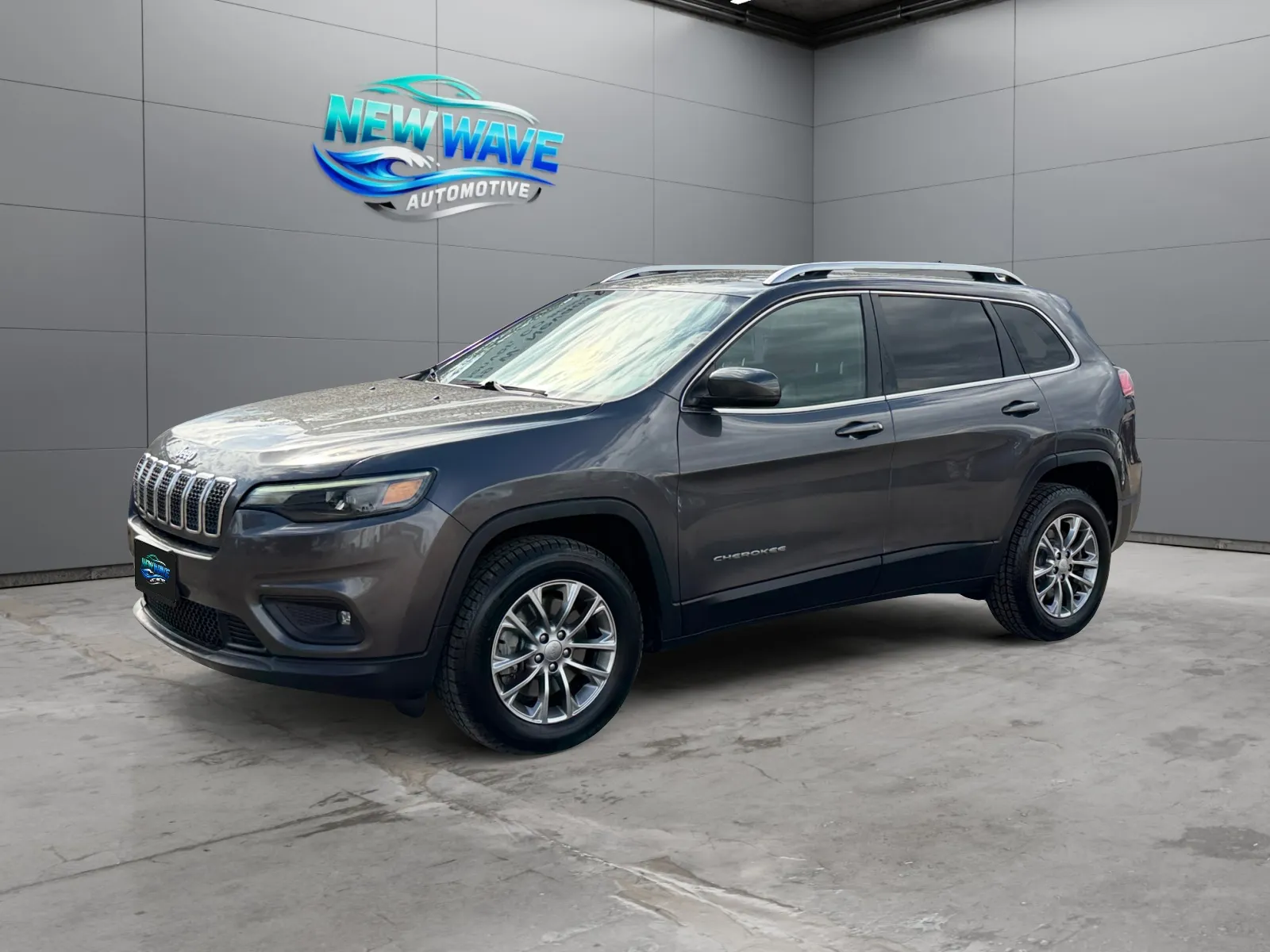
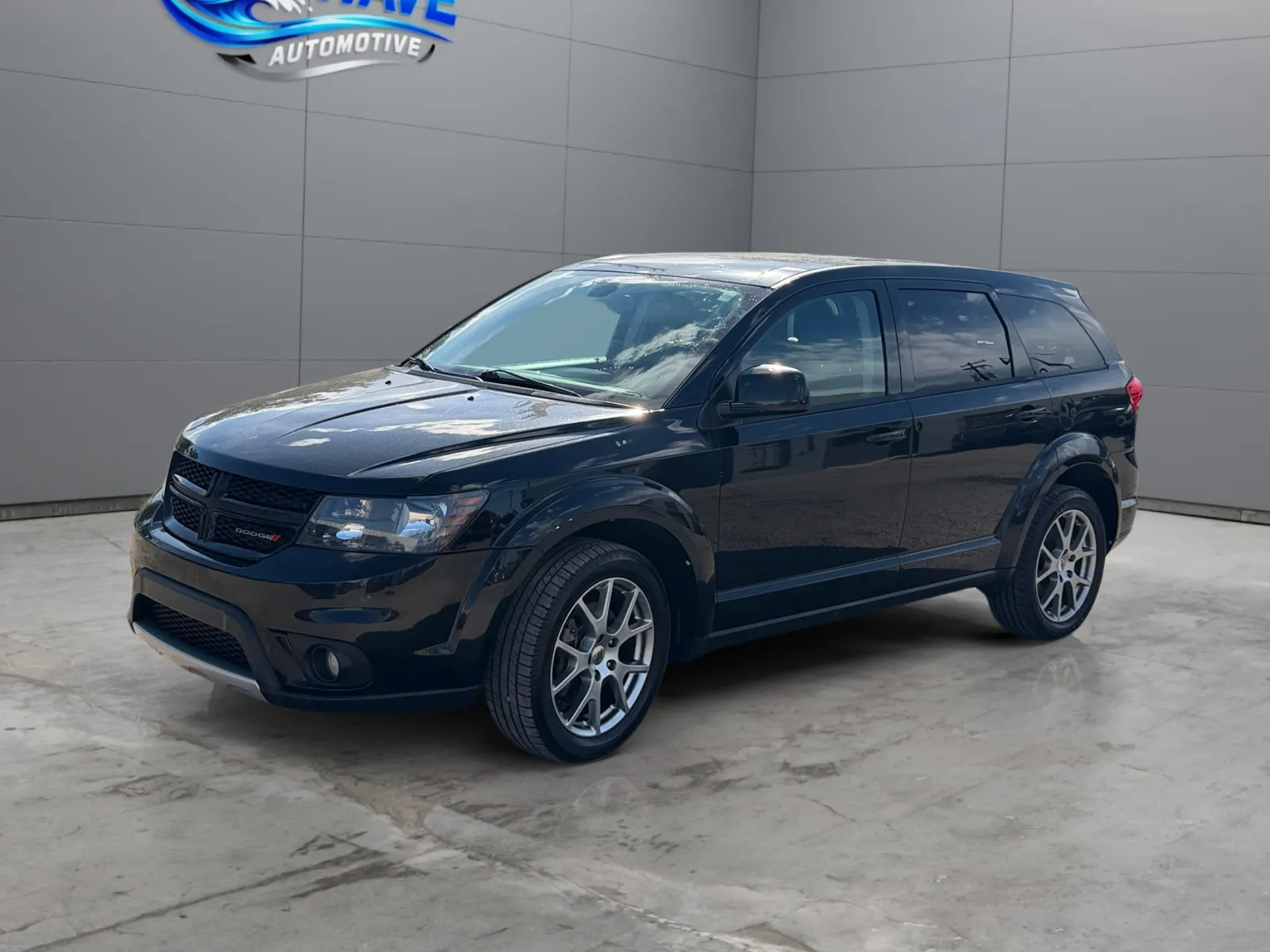
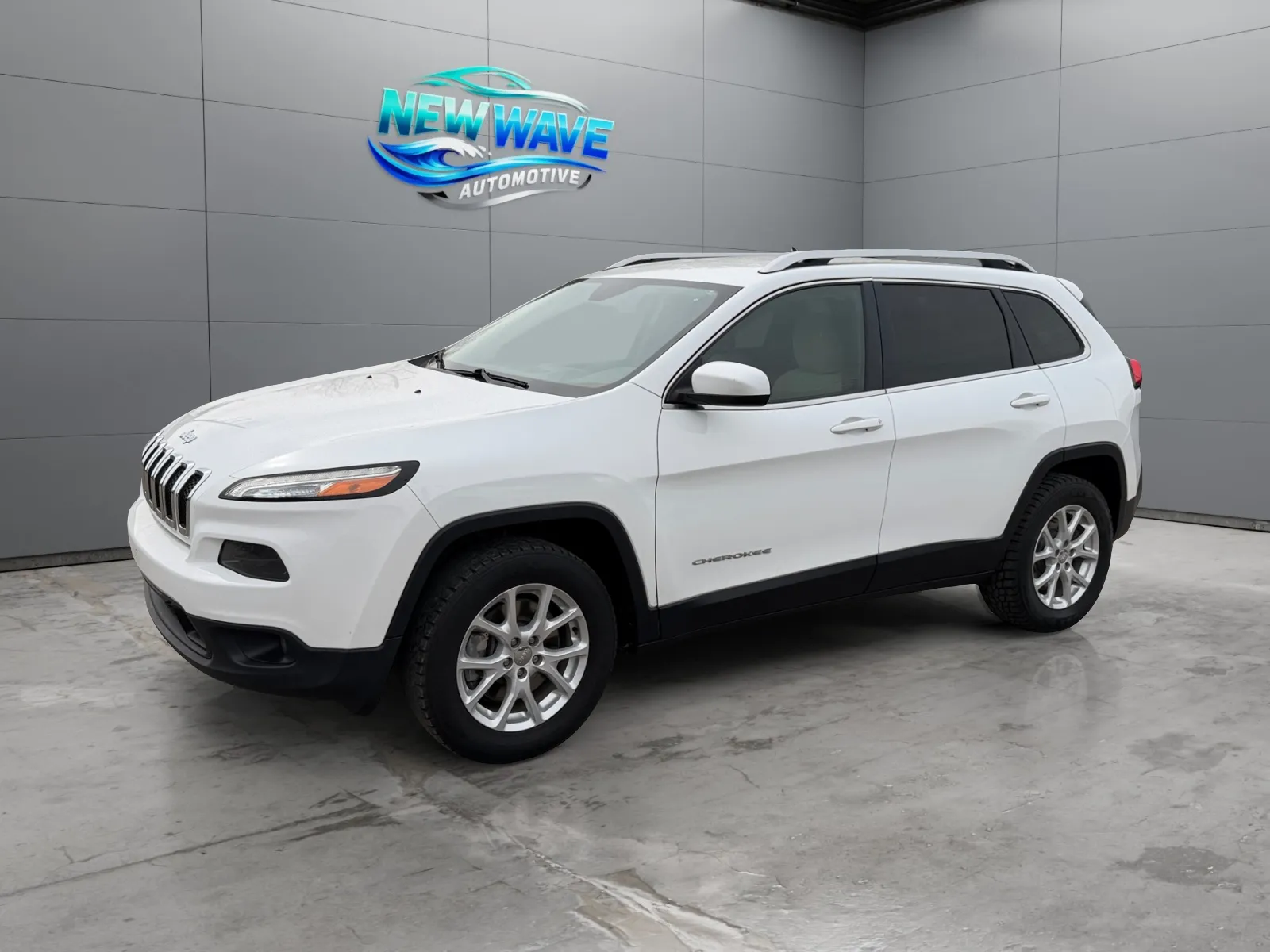
AWD also carries a fuel economy trade-off. The system adds mechanical complexity and a small but real fuel penalty compared to front-wheel-drive vehicles. For buyers who make the mountain drive regularly, that trade-off is typically worth it. Our SUV inventory covers several AWD-capable options at a range of price points.
What to Look at in a Used Vehicle's Fuel Economy Record
When reviewing a specific used vehicle, check the original EPA rating for that year and trim level rather than assuming all versions of a model perform the same. Fuel economy varies between trim levels, engine sizes, and whether the vehicle is AWD or front-wheel-drive.
Service records can also indicate how well the vehicle was maintained. A vehicle with documented oil changes and air filter replacements at appropriate intervals tends to hold closer to its rated fuel economy than one with a sparse maintenance history. Every vehicle in our inventory comes with a free CARFAX report that includes service history where it was recorded.
Fuel-Efficient Options We Carry for Denver Drivers
Our inventory spans cars, hybrids, SUVs, and more, with a dedicated page for vehicles under $20,000 for buyers working within a specific budget. For buyers who want a fuel-conscious choice without overspending, that's a practical starting point.
If you're financing the purchase, our pre-approval form gives you a clear borrowing picture before you visit. Every vehicle has been inspected before it's listed, and free CARFAX reports come with all inventory.
Related Topics: