How Much Should You Put Down on a Car in Denver?
The ten percent rule gets repeated often enough that buyers treat it as settled. It is a starting point, not an answer. What you actually put down depends on your credit tier, the term you qualify for, and the price of the specific vehicle you are financing. Those three things can move the number by thousands of dollars in either direction.
Working with a reliable car broker in Denver, CO, like New Wave Automotive means you get a clear picture of what lenders want before you commit to anything. We see the full range: first-time buyers with no credit file, buyers rebuilding after a repossession, and buyers rolling equity out of a truck they already own. The number that works is rarely the number people expect to walk in with.
What a Down Payment Actually Buys You
A down payment does three things at once. It cuts what you borrow, it lowers the monthly payment, and it reduces the interest you pay across the full term.
Take an $18,000 vehicle at a non-prime rate near 15 percent over 60 months. Put $1,800 down, and you finance $16,200, which runs about $385 a month. Put $3,600 down, and you finance $14,400, or about $343 a month. The larger down payment saves roughly $43 every month and close to $770 in interest by the time the loan closes.
Lenders also read the loan-to-value ratio, meaning the loan amount measured against what the vehicle is worth. A bigger down payment lowers that ratio, and on a borderline file, that often separates a conditional approval from a firm one.
What 10 to 20 Percent Looks Like at Real Denver Prices
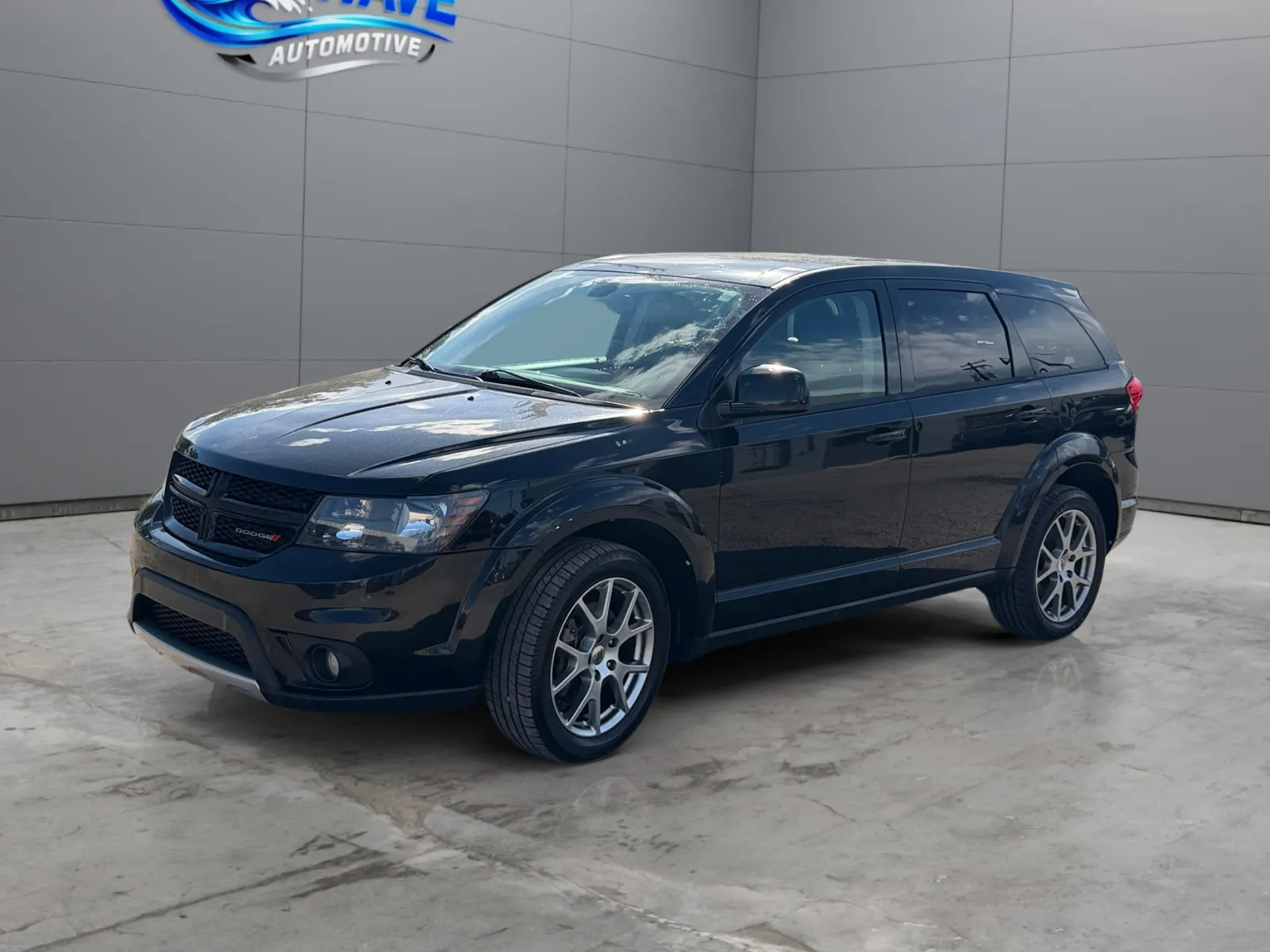
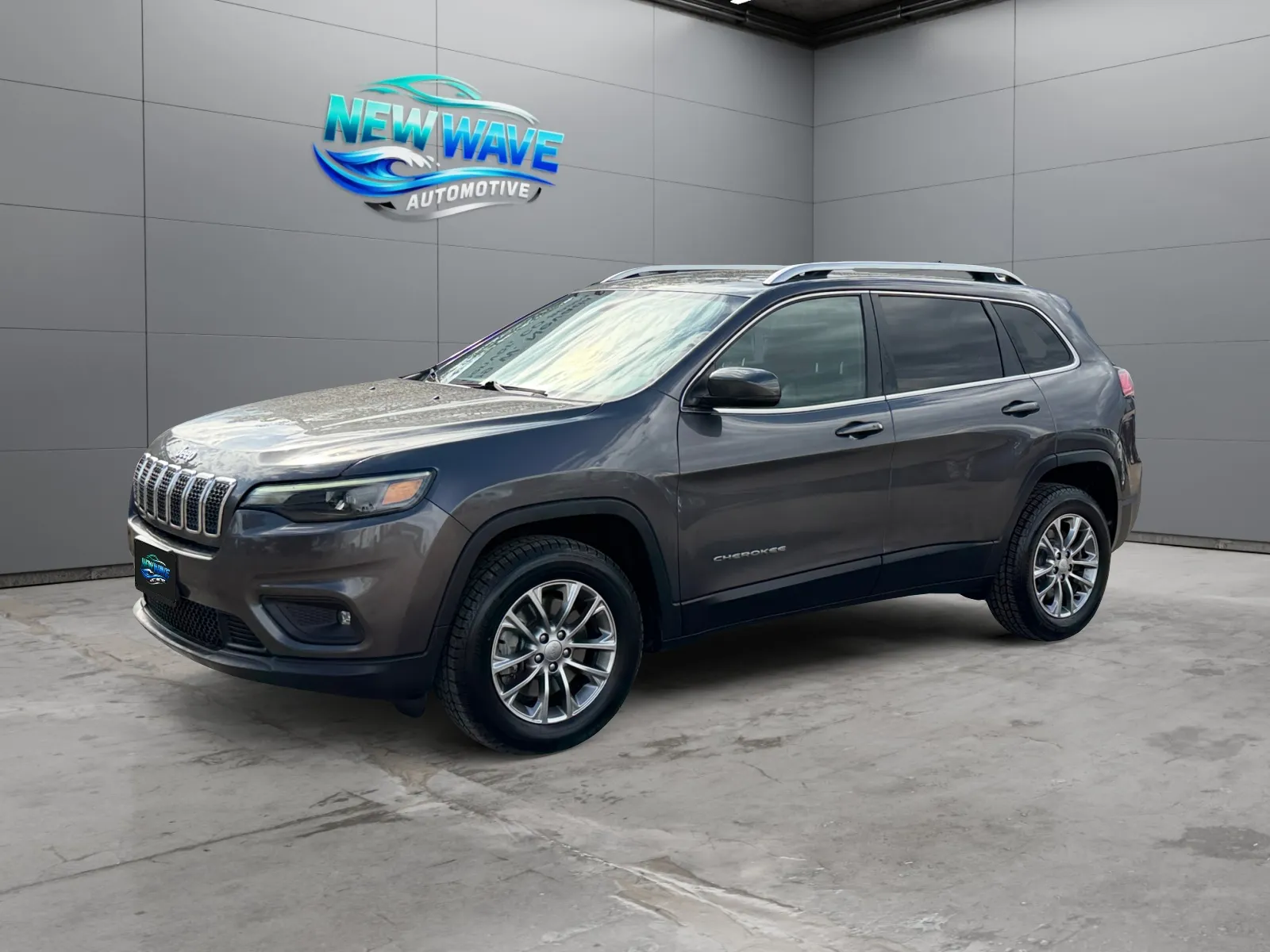
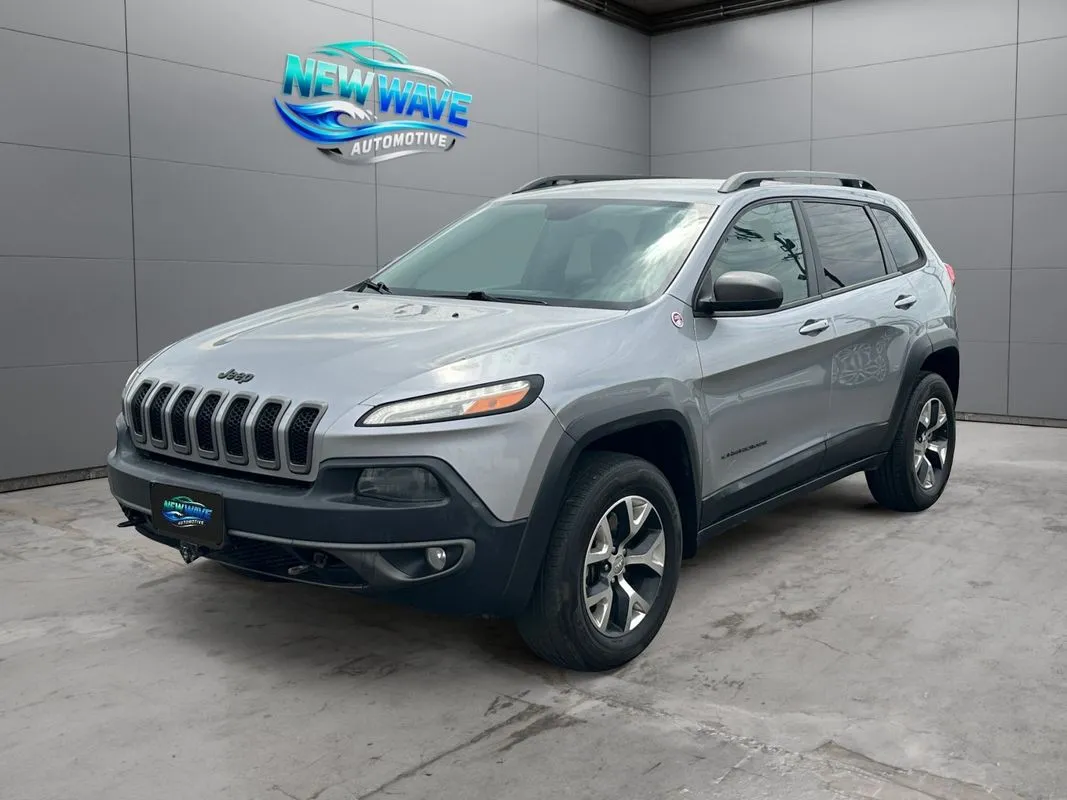
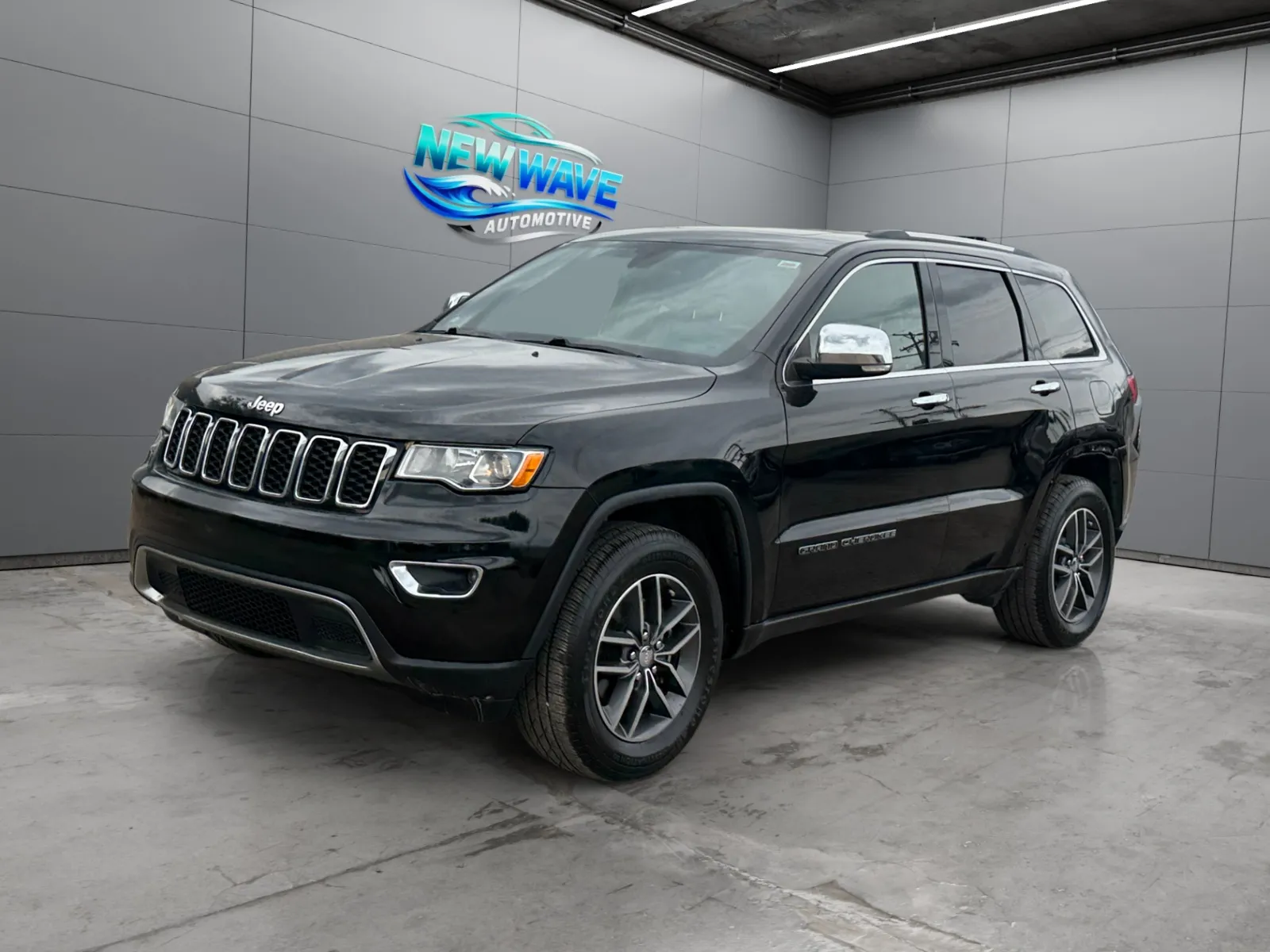
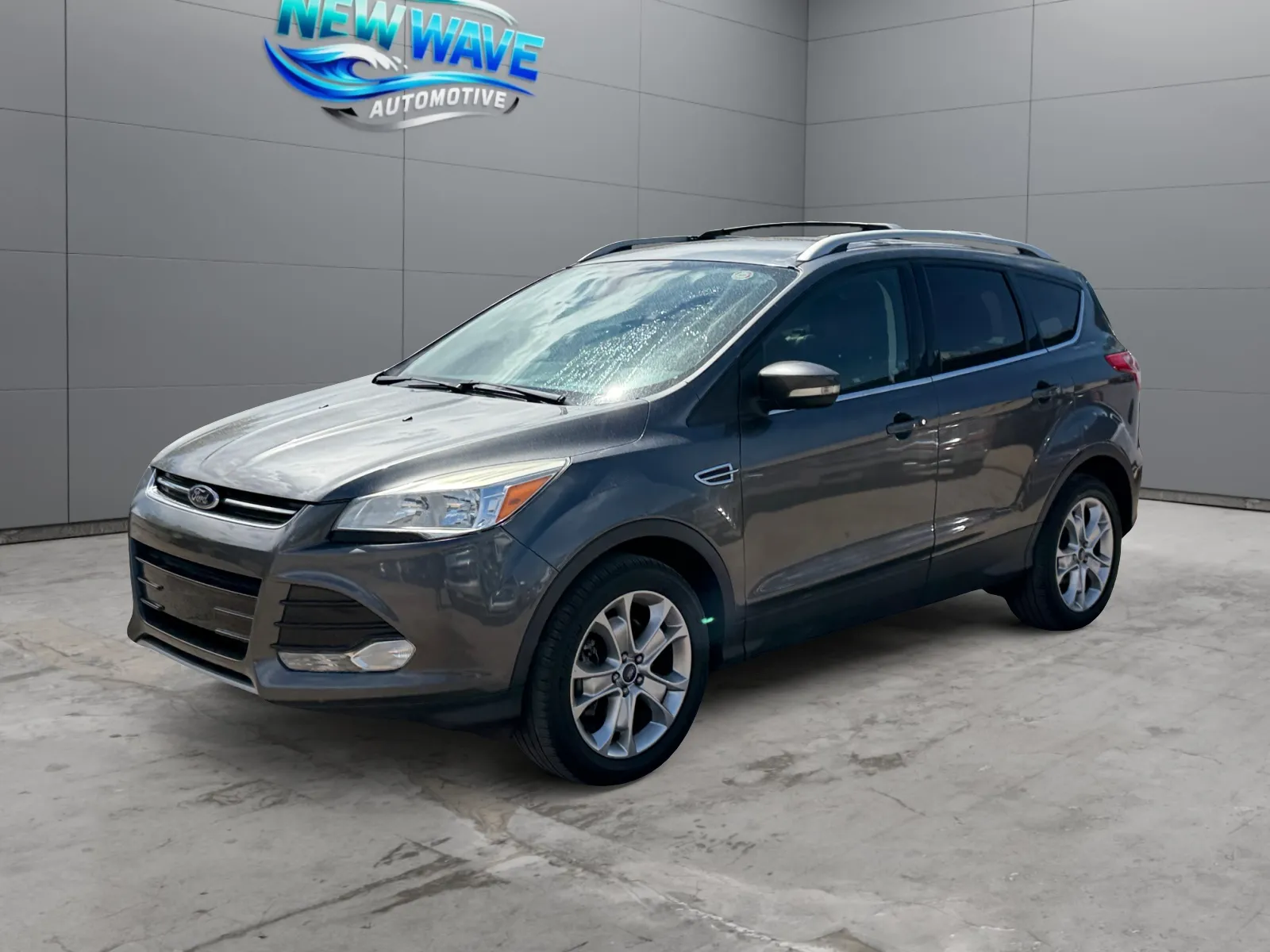
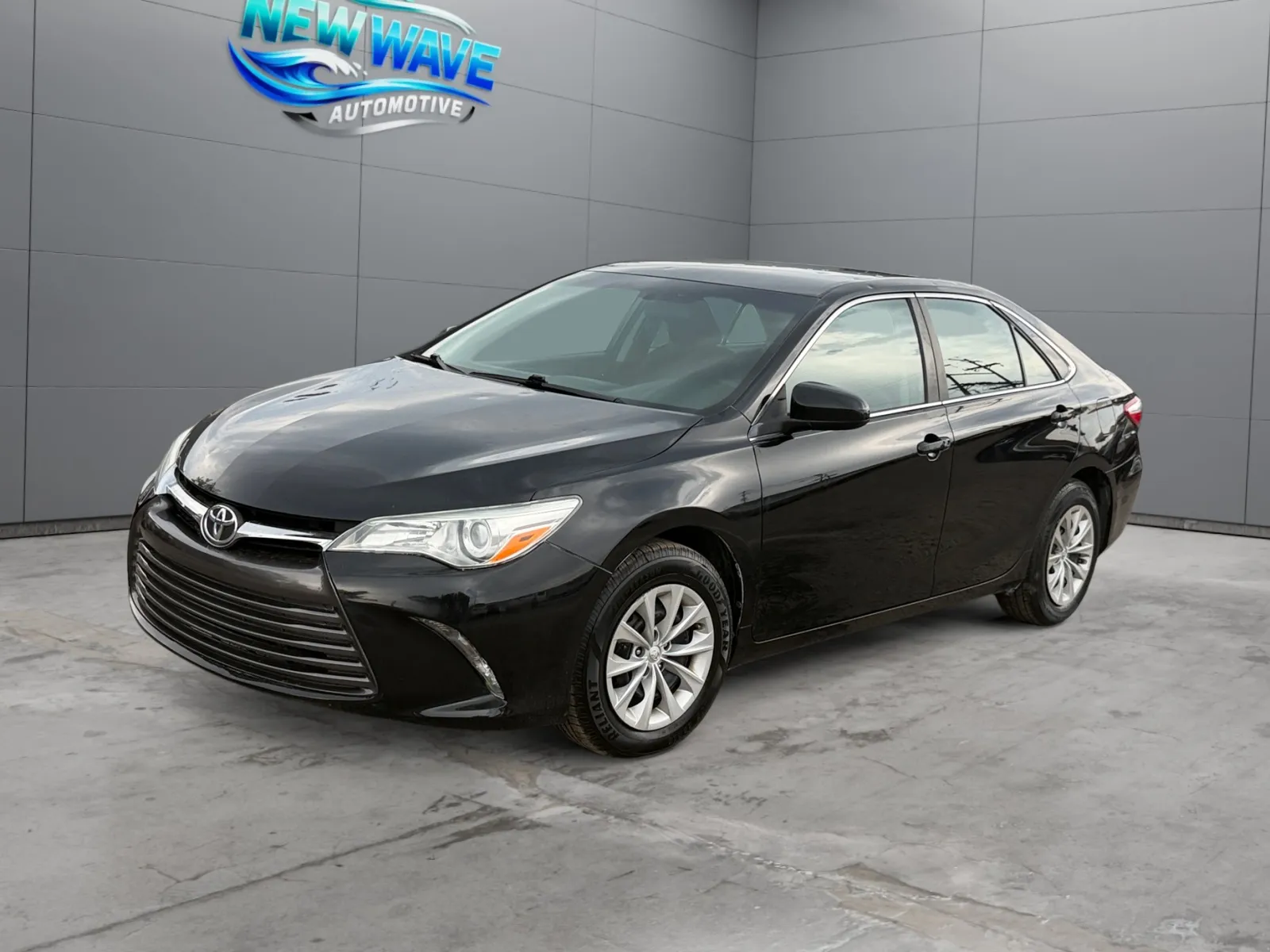
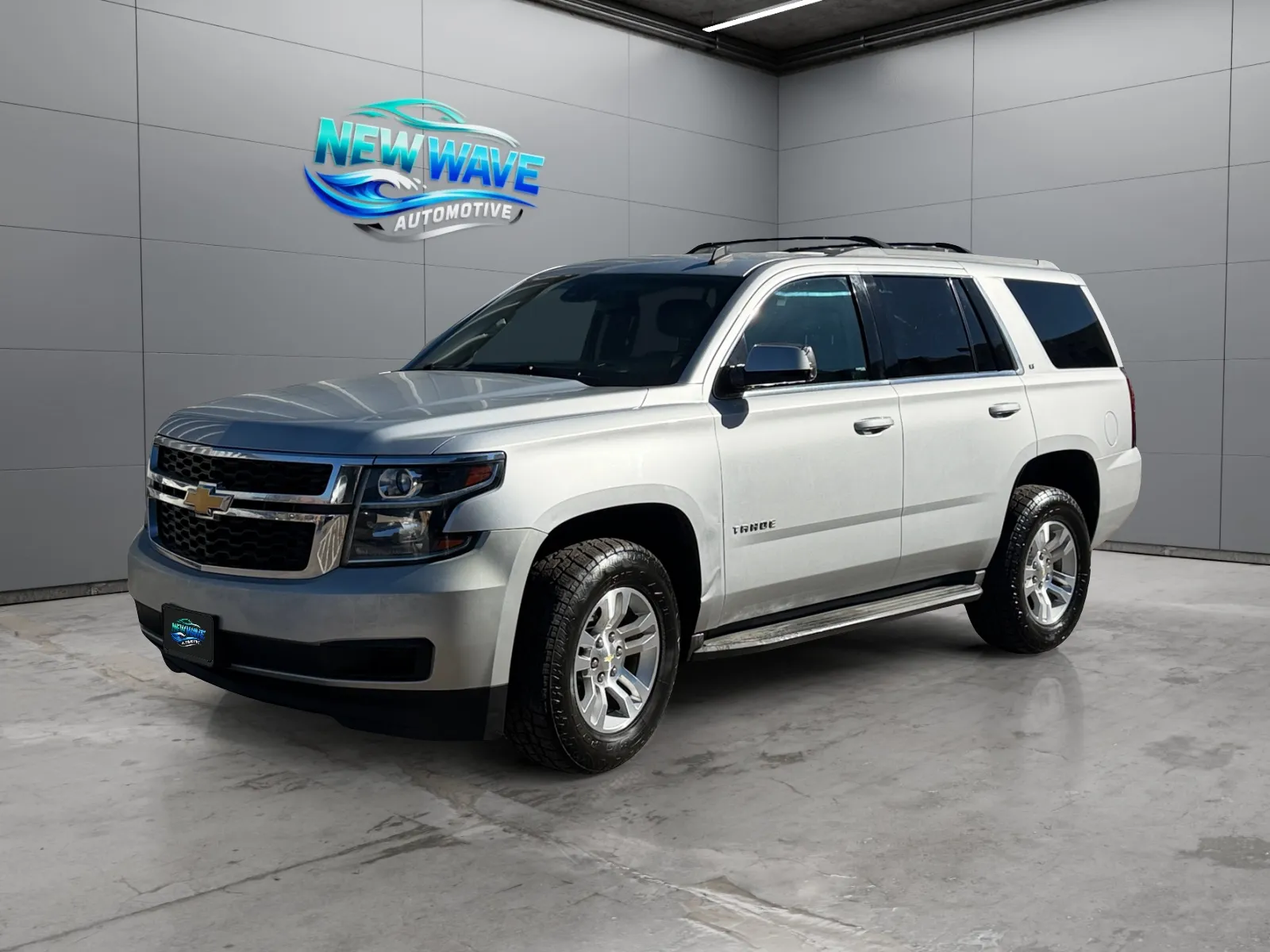
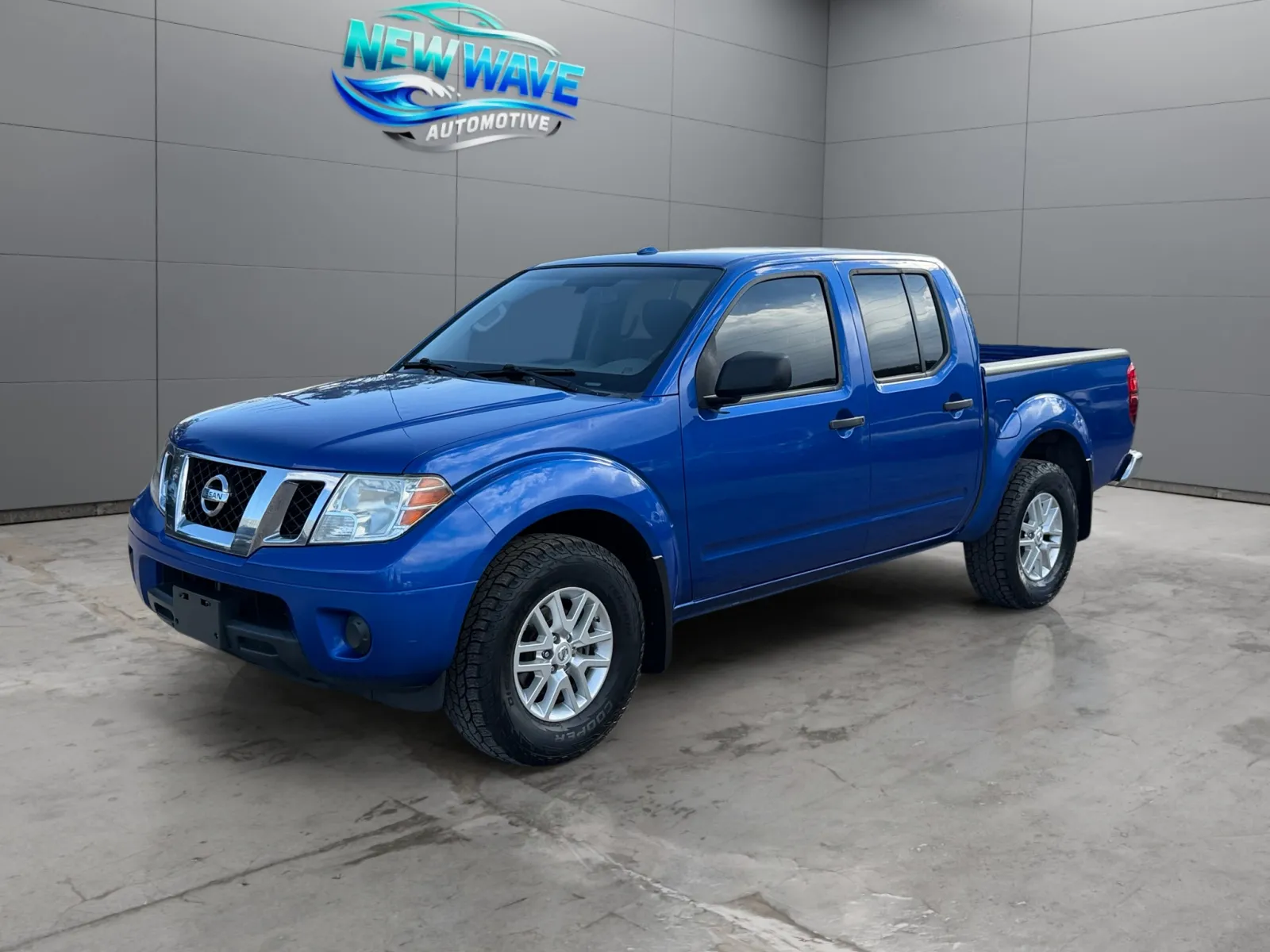
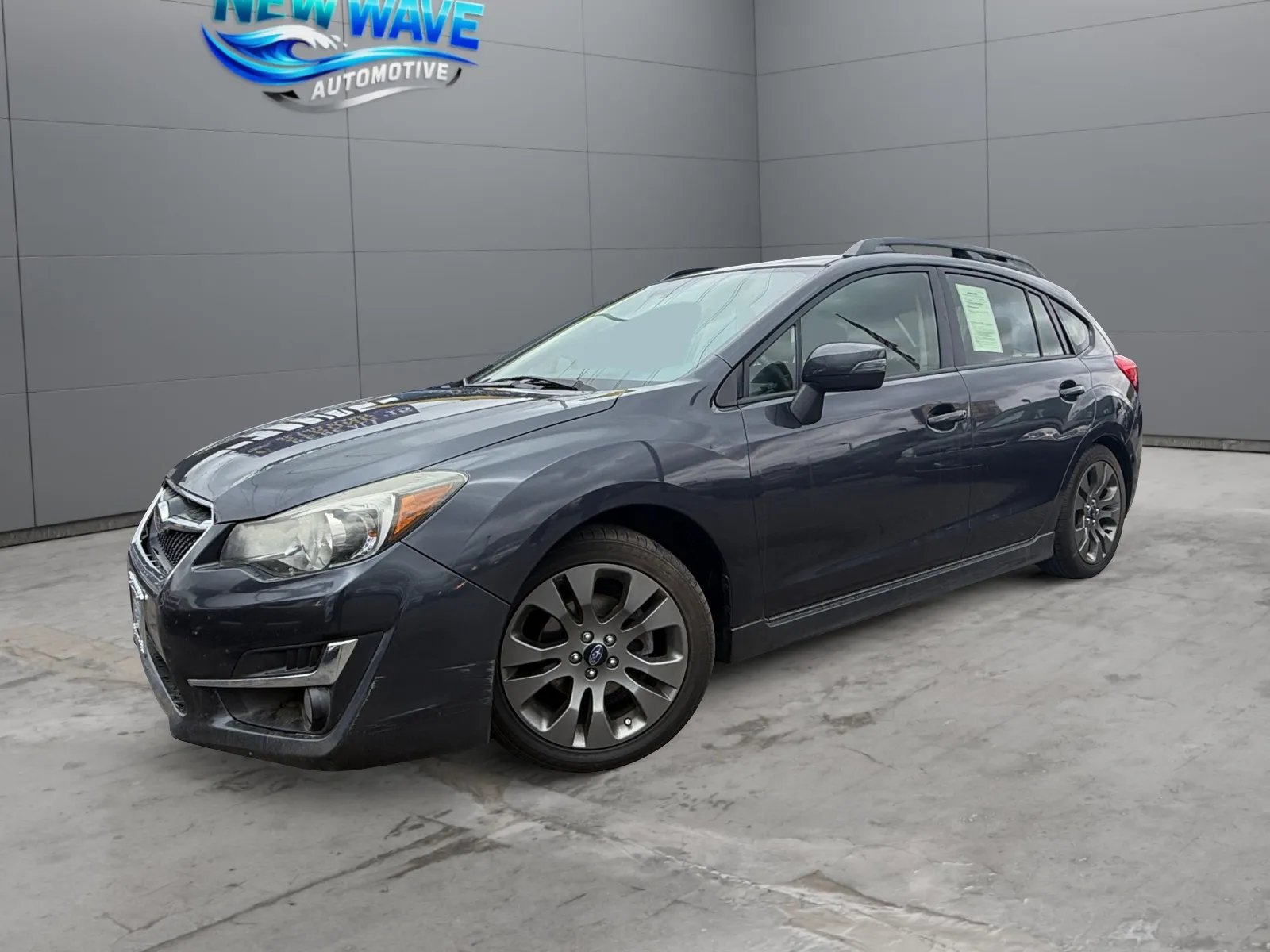
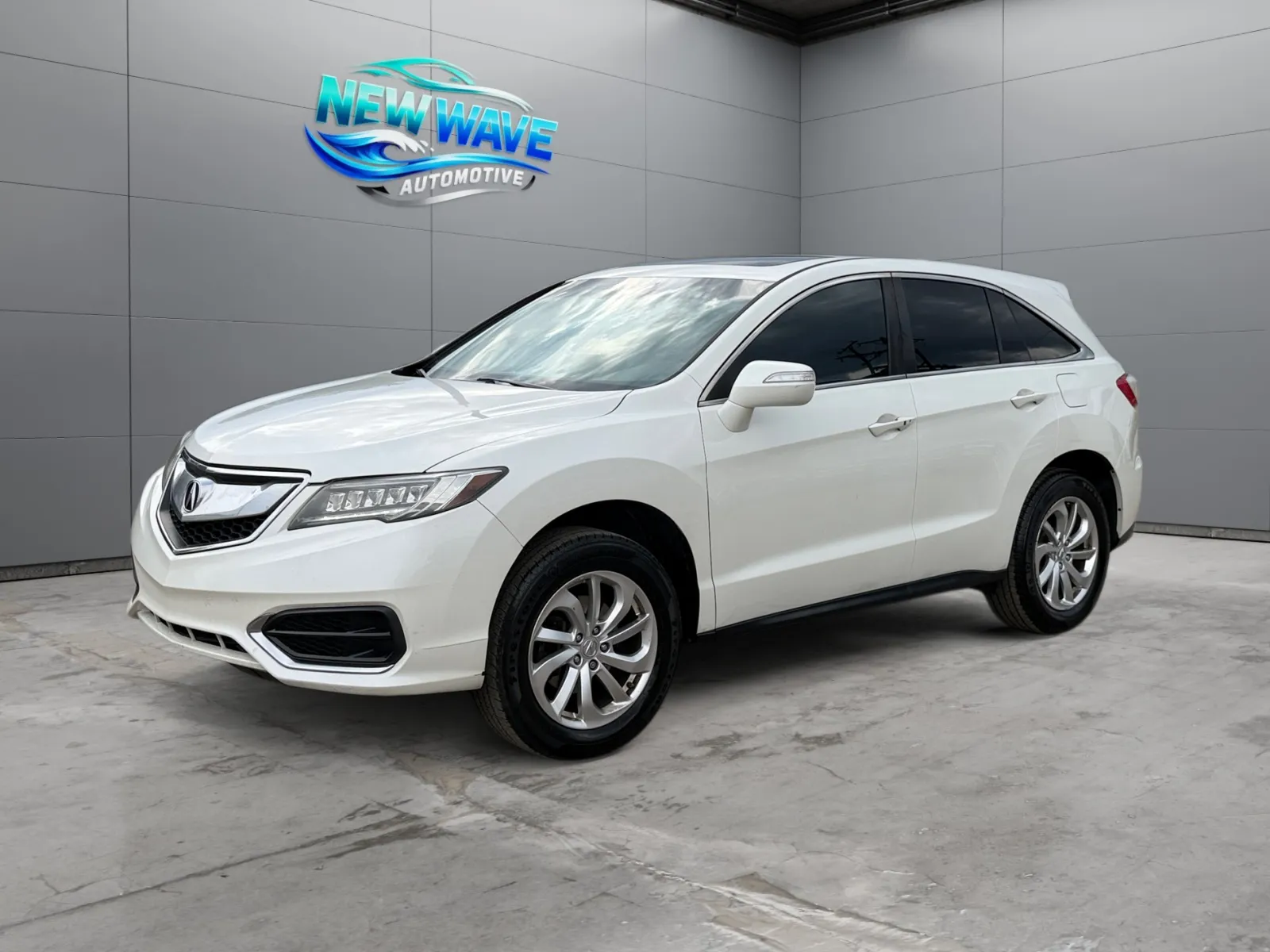
Once you know your down-payment range, compare cars for sale in Denver at prices that keep the loan within your budget. The range holds up because it keeps the loan small enough to stay ahead of depreciation while leaving a payment most budgets can carry. Against the vehicles on our lot, it works out like this.
| Vehicle price | 10 percent down | 20 percent down | Financed at 20 percent |
|---|---|---|---|
| $8,000 | $800 | $1,600 | $6,400 |
| $15,000 | $1,500 | $3,000 | $12,000 |
| $21,000 | $2,100 | $4,200 | $16,800 |
| $30,000 | $3,000 | $6,000 | $24,000 |
Neither end of that range is a rule. A buyer with a 740 score on a 48-month term can put five percent down without a lender blinking. A buyer with a thin file might do better at fifteen percent to bring the rate into range.
Guessing at it beforehand is how people end up short on the day they sign. An application for used car financing in Denver comes back with an approved amount, an estimated rate, and a term, which turns the down payment into arithmetic rather than a guess.
How Your Credit Tier Moves the Number
Credit tiers for used car loans run in bands. Anything at 720 and above draws the lowest rates available. Most lenders approve 620 to 719 at rates that vary by institution. 580 to 619 is non-prime, where lenders get selective. Below 580 is subprime, and approval still happens through specialists who require documentation and a larger down payment.
Rates track those bands closely. Strong credit on a used car loan generally lands between 4 and 8 percent. Subprime files usually see 12 to 24 percent depending on the lender, the vehicle, and the term. On a $15,000 loan over 60 months, 18 percent costs roughly $4,900 in interest while 8 percent costs about $3,300.
That spread is why lenders ask lower-credit buyers for more up front. It is not a penalty. It is how the lender gets comfortable enough to write the loan. We work a file across a lender network instead of sending it to one bank and reporting back whatever comes in, which often means the down payment requirement lands lower than a single institution would quote.
A Trade-In Counts as Cash
Equity in your current vehicle counts the same as cash at the signing table. If the trade is worth $6,000 and $3,000 is still owed, that $3,000 difference goes straight against the purchase and comes off the amount financed. Nothing leaves your bank account, and the lender still sees a real down payment on the deal.
Negative equity works the other way. Owing more than the vehicle is worth means the shortfall rolls into the new loan unless cash covers it, which is exactly the situation where knowing the trade value first changes what you shop for.
What Else Is Due the Day You Sign
The down payment is one line on the purchase agreement. Budgeting for it alone is how buyers get caught short at delivery, so plan for what else comes due.
- Dealer handling fee. Ours is $649, itemized on its own line separately from the vehicle price. Ask any dealership to show you theirs in writing before you agree to a number.
- Colorado sales tax. Assessed on where you register the vehicle rather than where the lot sits, so the rate depends on your municipality. Confirm yours with the county before you set a budget.
- Title and registration. Paid through the state, and the amount varies with the age and weight class of the vehicle.
- First insurance premium. Lenders generally require full coverage on a financed vehicle from the day it leaves, so carry a real quote rather than an estimate.
- The down payment itself. Ask which forms of payment the dealership takes. Not every lot accepts a personal check or a card for the full amount.
Every vehicle in our inventory comes with a free CARFAX report, and select vehicles carry a free 3-month or 3,000-mile certified warranty. Both matter when deciding how much cash to put into the deal and how much to hold back for the first few months.
Frequently Asked Questions
What is the minimum down payment to buy a car in Denver?
Can my trade-in replace a cash down payment?
Does putting more down get me a lower interest rate?
Is a zero-down deal ever a good idea?
Should I put more down or keep cash on hand?
How much do I need down with a credit score in the 500s?
Contact Us
Phone: (303) 639-9283
Email: sales@drivethewave.com
Address: 1262 W Alameda Ave, Denver, CO 80223
Website: https://www.drivethewave.com/
Hours:
Monday to Friday, 9:00 AM to 8:00 PM
Saturday, 9:00 AM to 7:00 PM
Sunday, Closed
Related Topics: