How to Compare Lease vs Buy Options in Denver

The lease-or-buy question comes up every time a contract ends or a household adds a driver. Both options put a vehicle in the driveway. They produce very different numbers by year four, and a lease pitch built around the monthly payment tends to skip what happens at turn-in.
Working with a professional auto broker makes this comparison a lot more straightforward. The comparison worth making is not lease payment against loan payment. It is the total cost of driving across the years you actually plan to keep the vehicle. Framed that way, the arithmetic usually resolves in a few minutes.
What You Are Actually Paying For
A lease is a rental with a fixed end date, usually 24 to 36 months. The payment covers the vehicle's depreciation across that window, plus a money factor that works like an interest rate, plus whatever fees are folded into the deal. At turn-in, you hand back the keys, buy the vehicle at its residual value, or sign another lease. Ownership never transfers unless you exercise that buyout.
A purchase transfers ownership from the first payment. Once the loan closes, the vehicle is yours to drive, sell, trade, or borrow against. The monthly figure is usually higher than a lease on something comparable, and it has an end date.
That difference compounds quietly. A lease payment of $150 below a loan payment reads as the better deal in month six. Run it across eight years of continuous leasing against a vehicle paid off in year five, and the ranking inverts. The gap between new vs. used car pricing makes that inversion arrive sooner, because comparable used vehicles currently run $10,000 to $20,000 below new.
What a Lease Costs a Colorado Driver
Lease structure does not change at altitude. The mileage cap, however, does more damage here than it does in most markets.
Most leases allow somewhere between 10,000 and 15,000 miles a year. A driver running I-70 to Keystone, Arapahoe Basin, or Vail through the winter can work through that allowance well before the term ends, and the overage is billed per mile at turn-in whether the vehicle is in good shape or not. Front Range commuters covering long highway distances hit the same ceiling from a different direction.
Lease terms also limit what the vehicle can become. Modifications are generally off the table, and anything added usually has to come back off before return. Condition is inspected at turn-in, and the line between normal wear and chargeable damage is drawn by the lender rather than by you.
Drive-off cost is the number that catches people out. Most lease deals require money down, the first month, and fees at signing, so the advertised monthly figure comes with several thousand dollars attached.
Where Buying Used Comes Out Ahead
Take round numbers. A used vehicle at $18,000 on a five-year loan near six percent lands close to $350 a month, moving up or down with credit tier and term.
A lease on a comparable new vehicle might come in $100 to $150 under that. The lease wins on cash flow for 36 months. Then the loan payment ends, and the vehicle keeps running while the lease starts over. Ten years in, one driver owns a paid-off vehicle outright, and the other is three cycles deep with nothing to show on the balance sheet.
Used vehicles also skip the steepest stretch of depreciation. A new vehicle surrenders a large share of its value across the first two or three years. A vehicle priced to reflect that loss has already absorbed it, so the money going in is attached to remaining useful life rather than to value that evaporated on the drive home.
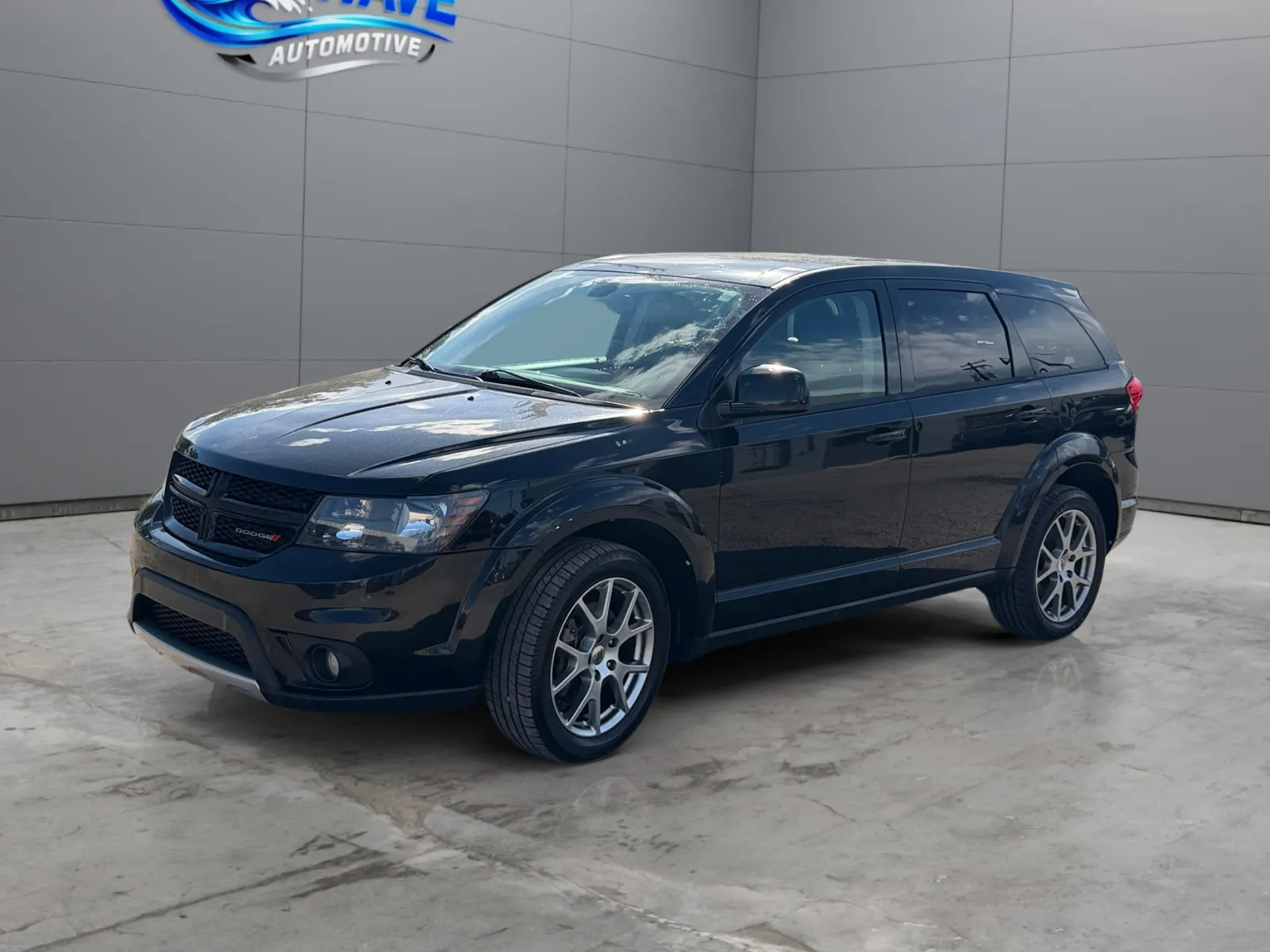
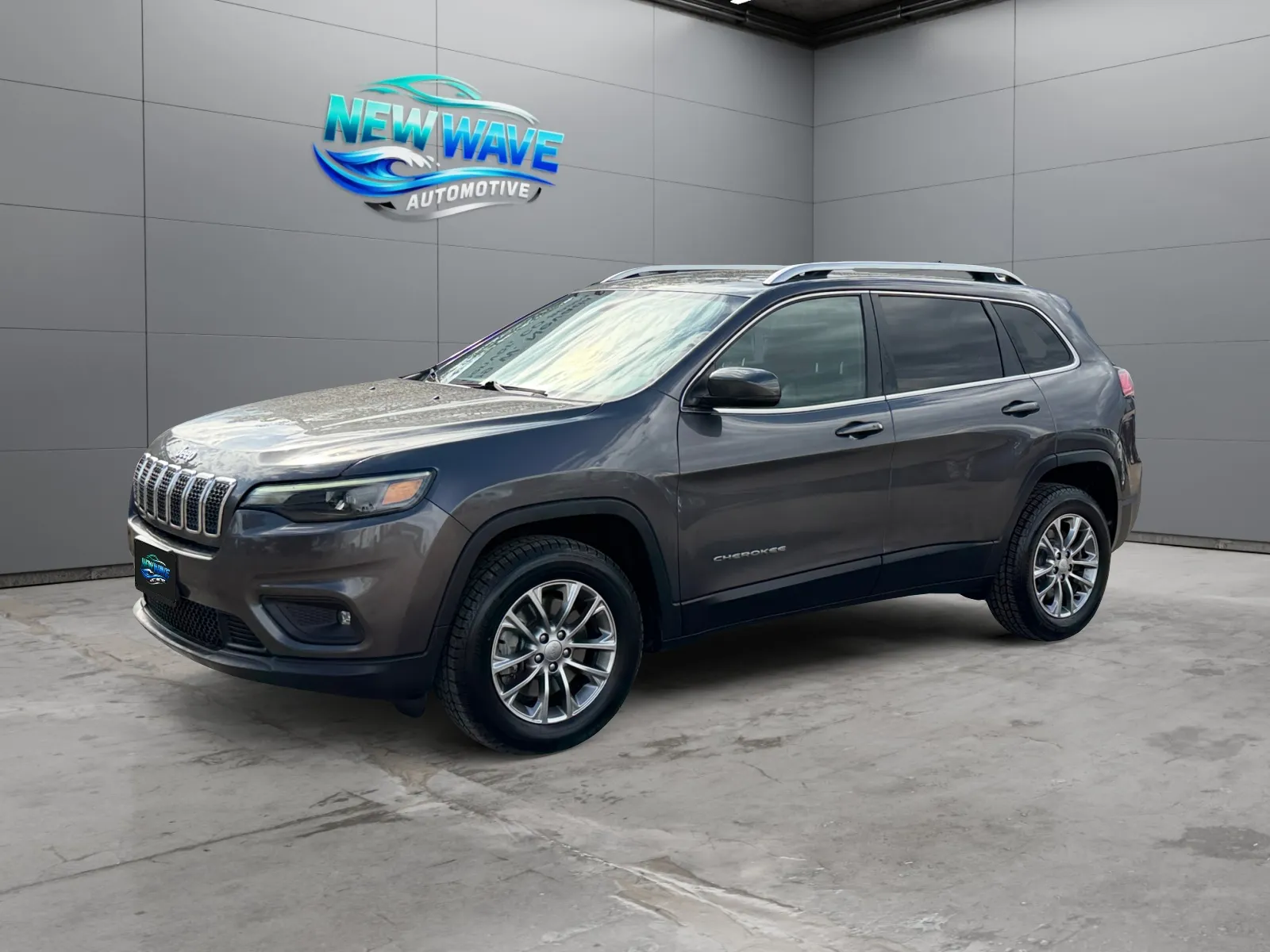
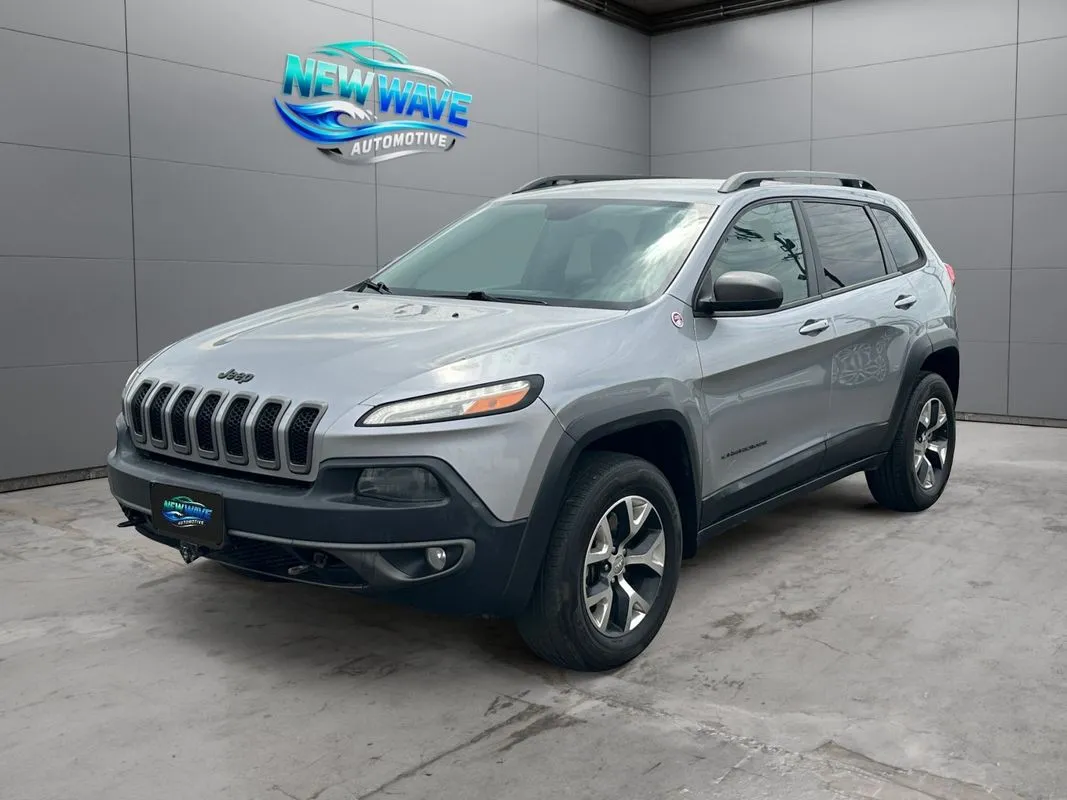
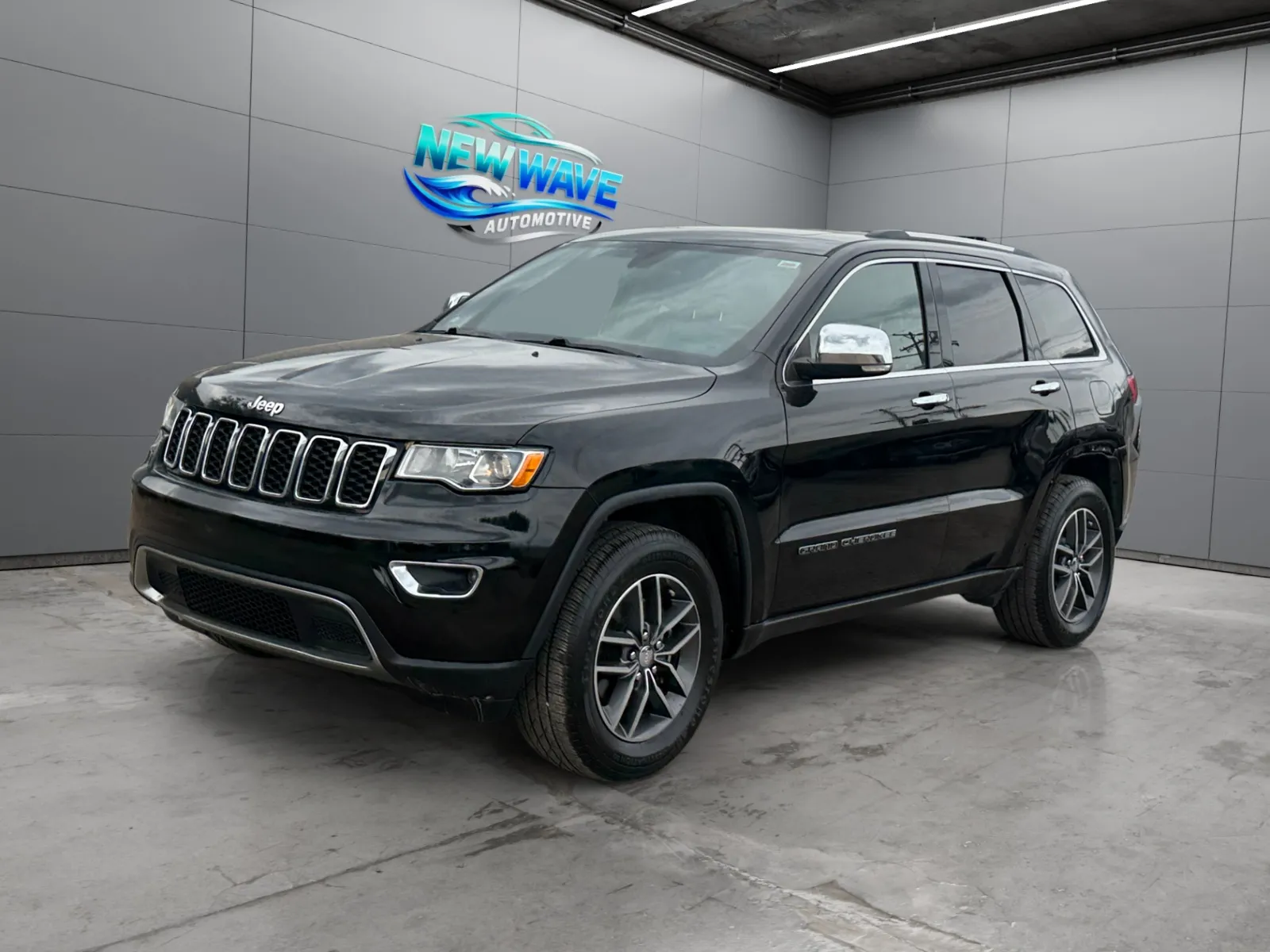
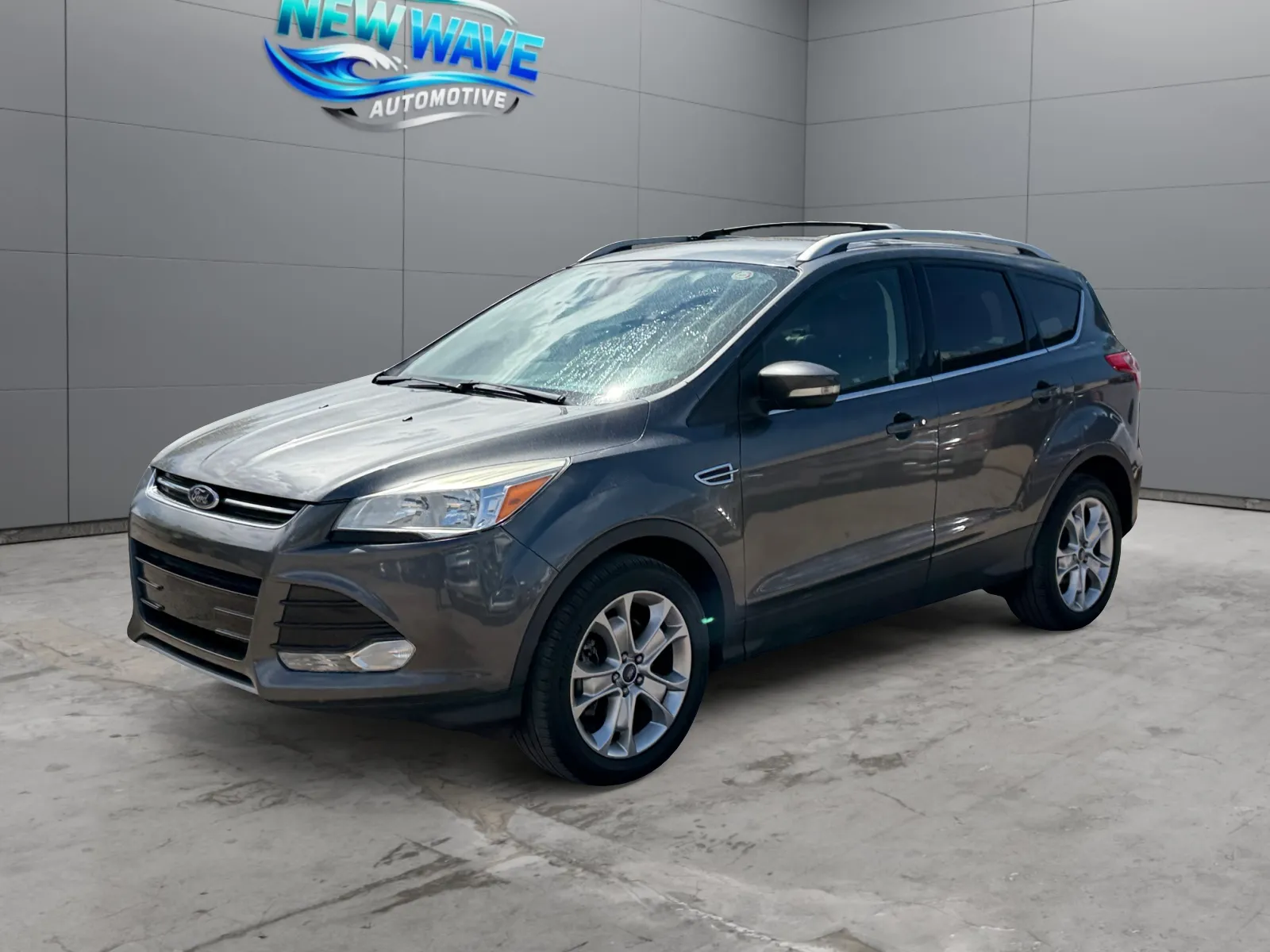
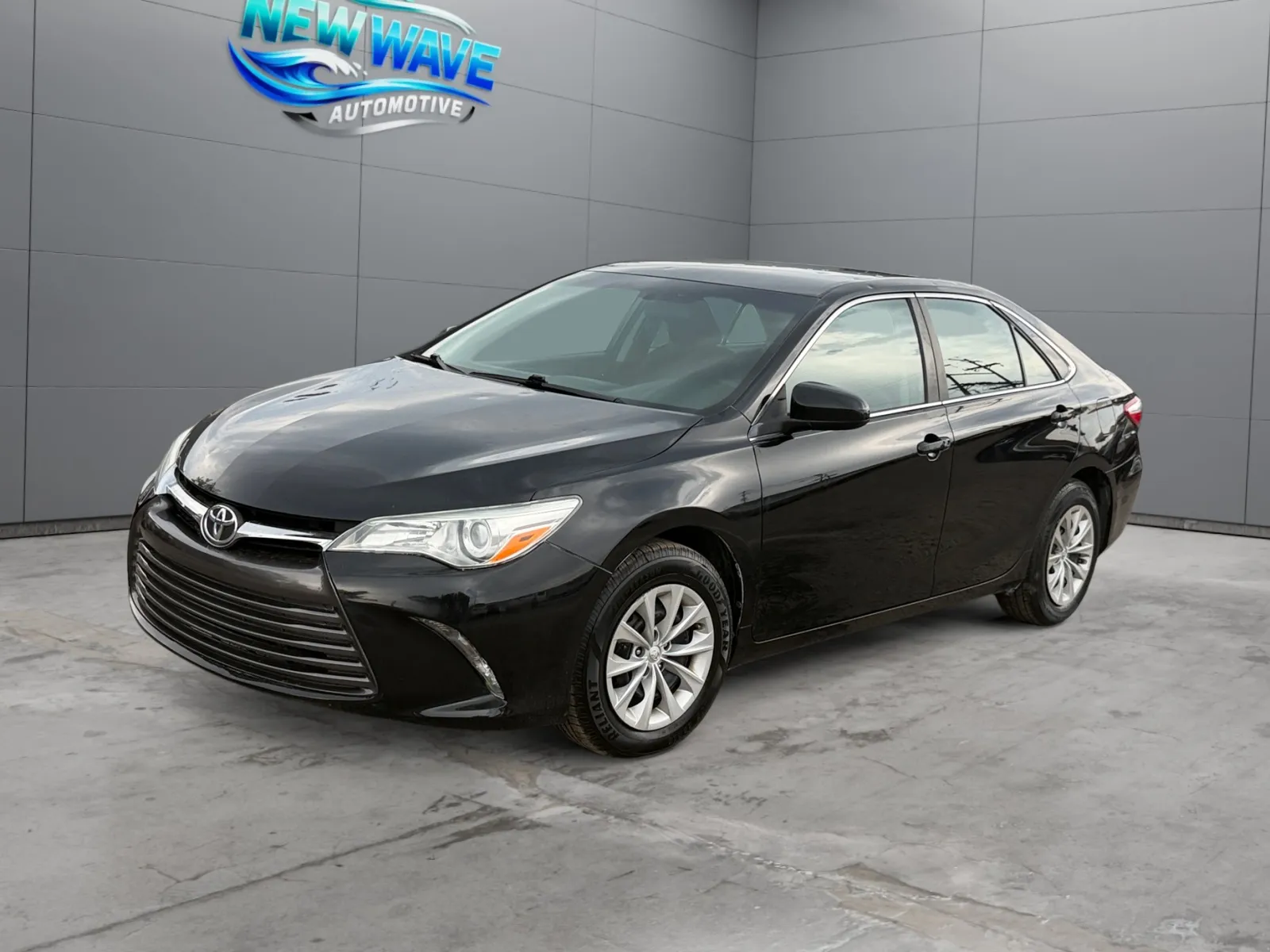
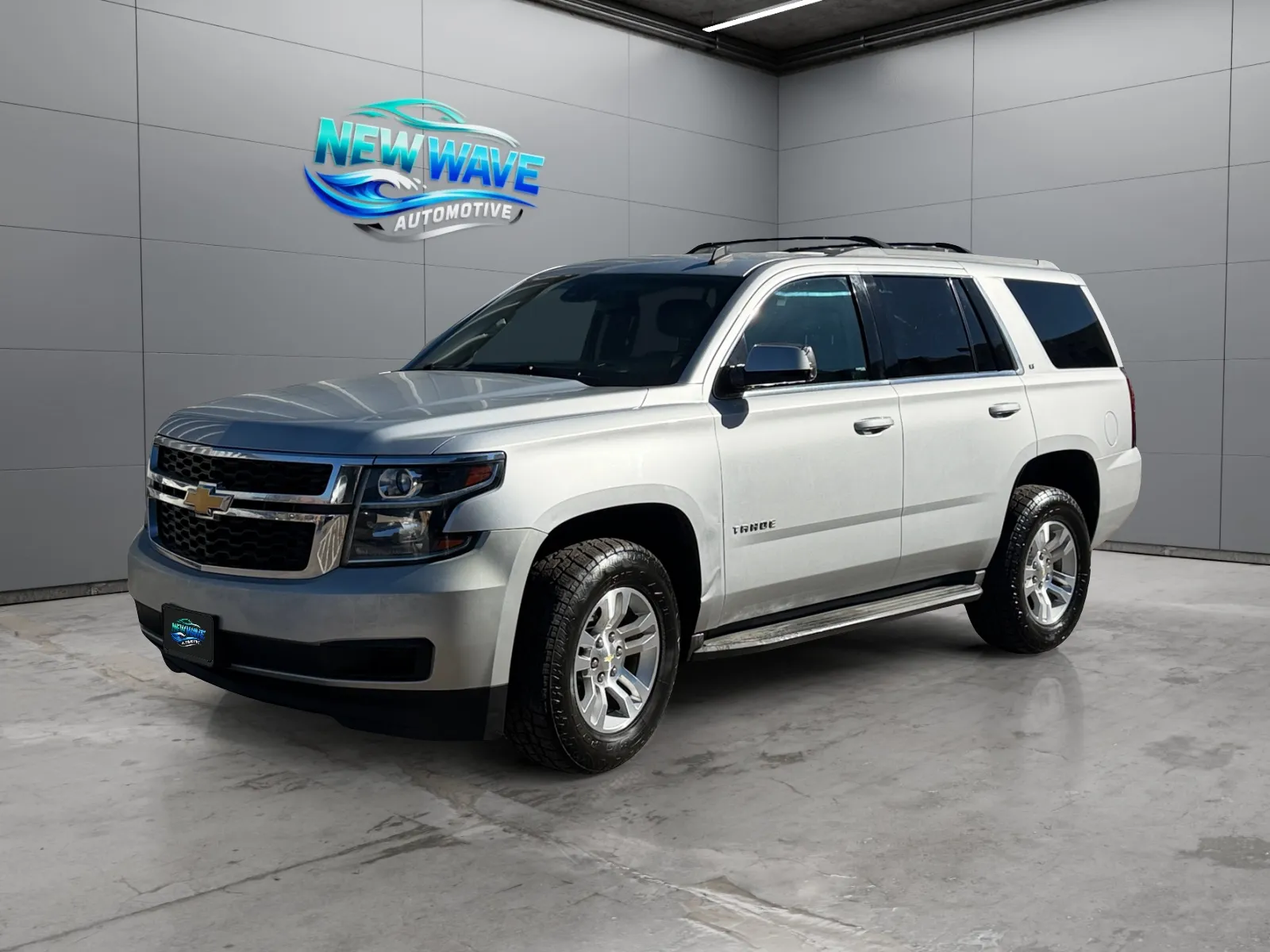
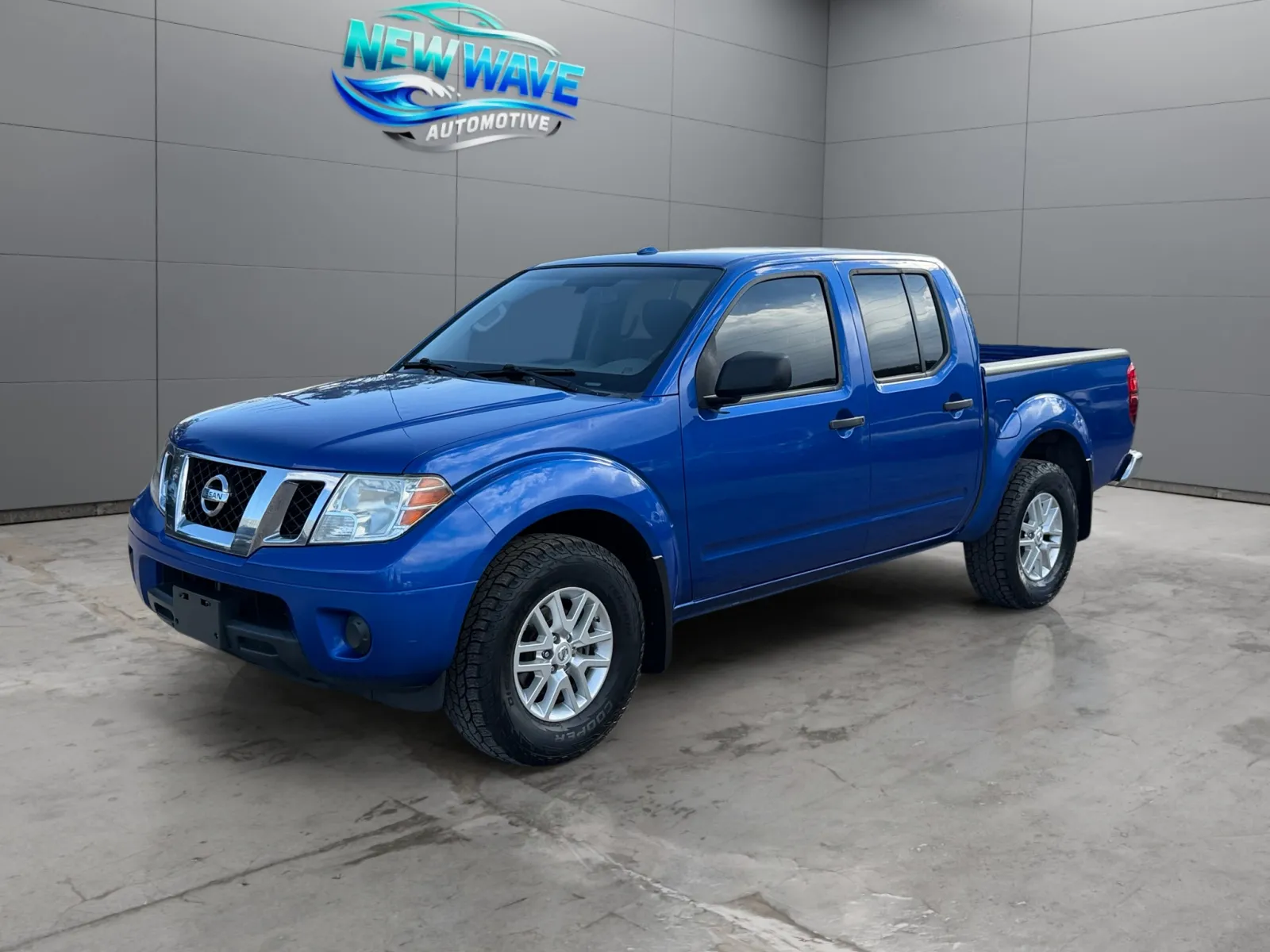
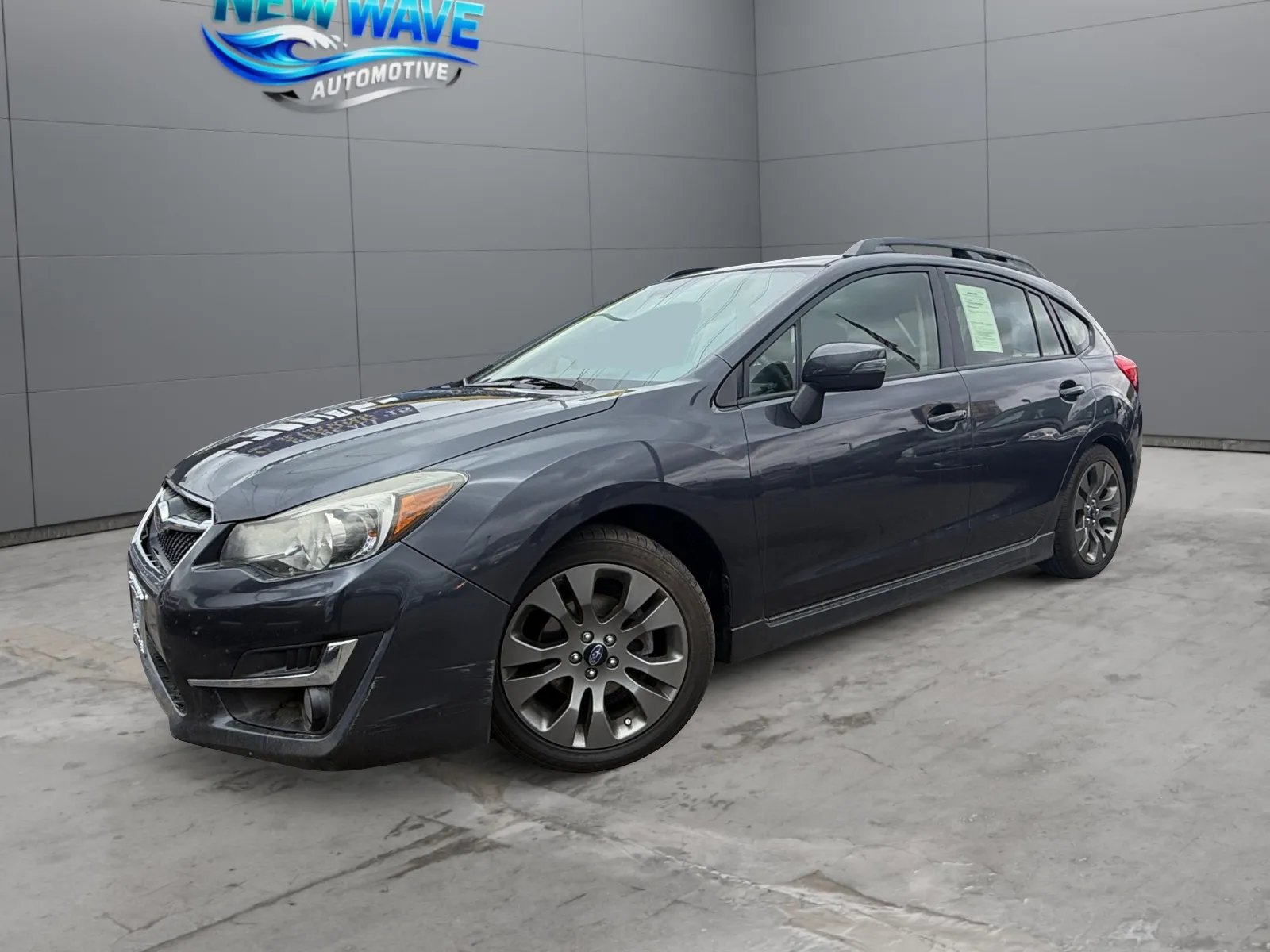
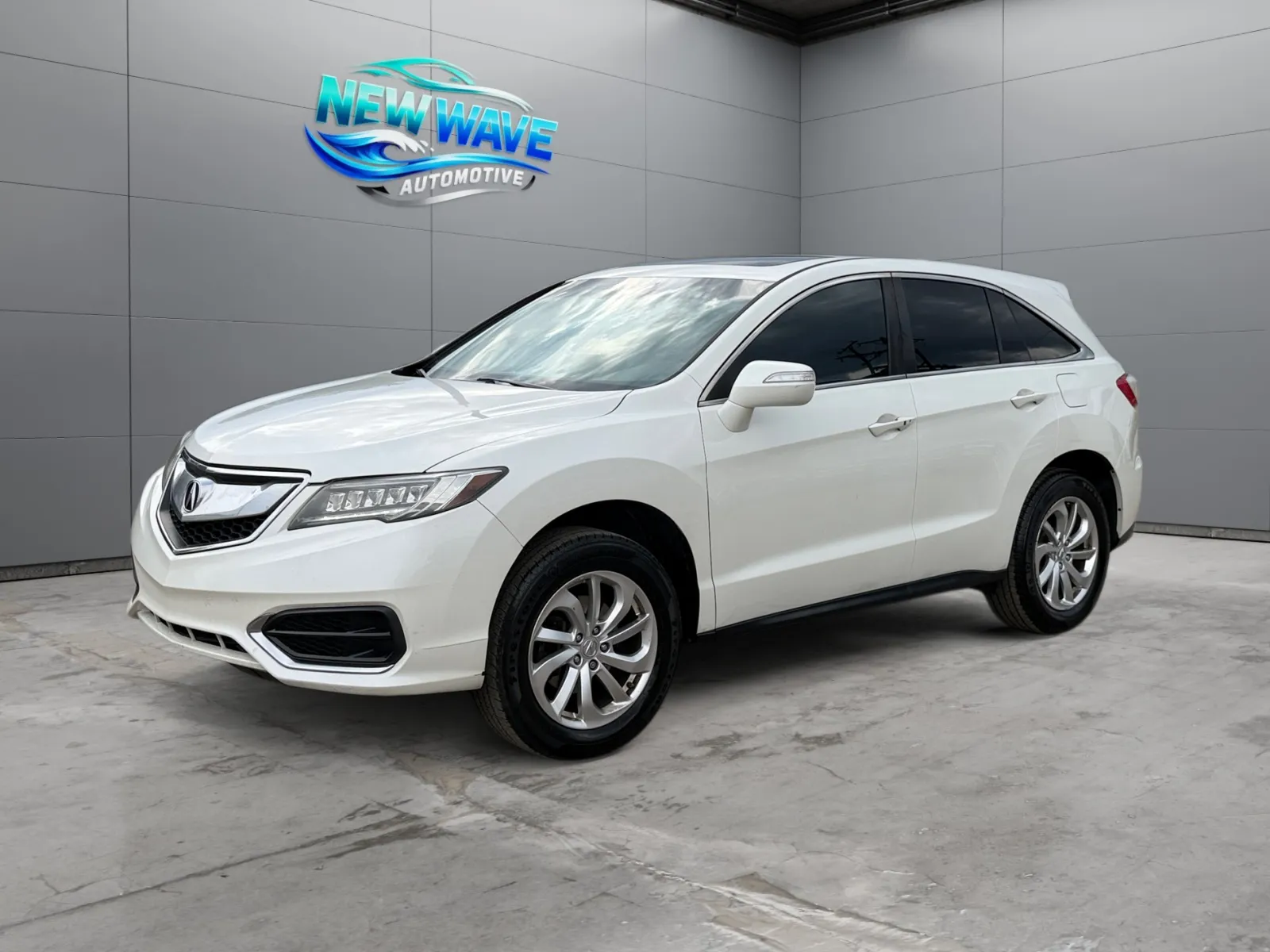
Inventory matters as much as arithmetic, because a comparison only helps if something on the lot fits the number you landed on. Our used cars, trucks, and SUVs in Denver run from under $15,000 to $30,000 and above across more than 25 makes. We hand-inspect every vehicle before listing it, and every one comes with a free CARFAX report.
| What you are comparing | Leasing | Buying used |
|---|---|---|
| Monthly payment | Lower for the length of the term | Higher, then zero once the loan closes |
| End of term | Return it, buy it out, or sign again | The vehicle is yours |
| Mileage | Capped, overage billed per mile | No cap |
| Equity | None accumulates | Builds with every payment |
| Best fit | Two to three year holds, predictable low mileage | Longer holds, higher mileage, total-cost focus |
Holding a lease offer and want to see the purchase side of the same vehicle before you sign? Call us at (303) 639-9283, and we will price it both ways, or bring the paperwork to the lot on West Alameda and we will go through it with you.
Financing a Purchase vs Signing a Lease
The two conversations sound alike and are not. A lease presentation is organized around a single number. A purchase has four moving parts: the amount financed, the rate, the term, and the money down. Move any one of them and the payment moves, which is why arriving with a rate already in hand changes the conversation.
Getting pre-approved online before the visit gives you a real figure to hold a lease quote against. Reviewing Denver auto financing options first can give you a real loan amount and payment to compare against the lease offer. We work through a network of lenders rather than a single in-house program, which covers buyers with strong credit, buyers rebuilding after a rough stretch, and buyers with no credit history at all.
Bring these, and the comparison becomes honest:
- The lease offer in writing, including the drive-off total, term length, mileage cap, and the per-mile overage rate
- Your credit score, pulled at no cost from annualcreditreport.com
- The miles you drove last year, not the number you assume you drive
- How long you kept the last two vehicles you owned
- Your trade-in details, so both scenarios start from the same place
How Colorado Driving Changes the Math
Two local factors move this decision more than most buyers expect.
All-wheel drive sits closer to a requirement than a preference for anyone commuting the Front Range in February or holding a mountain property. On a lease, AWD models carry higher residual values, which helps the payment, but they also start from a higher sticker. Buying the same capability used, at a price that already reflects three years of depreciation, tends to deliver more capability per dollar spent.
Mileage is the other one. A ski season adds up quickly, and a lease meters it. Ownership does not.
Both factors get easier to weigh once you have real figures on the table. Compact and mid-size sedans in the three- to six year range currently run $12,000 to $25,000 in this market, which is the range to set beside any lease quote you are holding.
The comparison takes about twenty minutes once the numbers are side by side. We are at 1262 West Alameda Avenue, a short run in from Aurora, Lakewood, Arvada, Westminster, Thornton, Littleton, or Englewood, with AWD inventory on the ground most of the year rather than ordered in when the snow starts.
Every vehicle has been through a mechanical and safety inspection before listing and comes with a free CARFAX report, so the capability question gets answered from records rather than a spec sheet. Come see what fits, in English or Spanish.
Common Questions About Leasing and Buying
Is leasing ever the better choice?
How long do I need to keep a vehicle to win when buying?
What happens if I go over the mileage on a lease?
Can I buy the vehicle at the end of a lease?
Do you charge a broker fee?
Related Topics: