How Seasonal Promotions Affect Denver Car Pricing

A promotion in the used car business works differently than the ones advertised every holiday weekend. There is no model year to clear, no factory rebate to pass along. What happens instead is quieter. A vehicle that has been sitting gets repriced, and the reduction is posted against its original asking price.
That distinction matters for anyone shopping this market on a budget. Seasonal demand does move prices in Denver, and it moves them in ways specific to Colorado. But the discount you are actually looking for is attached to one vehicle rather than to a date. Knowing which is which keeps you from waiting on a sale that was never scheduled.
Working with a professional car broker in Denver, CO, is maybe the most straightforward way to cut through all of that. A broker already knows which vehicles have been sitting, which prices have quietly dropped, and where the real value is on the lot right now. You know, that kind of insight is just hard to get on your own.
What a Promotion Looks Like on a Used Lot
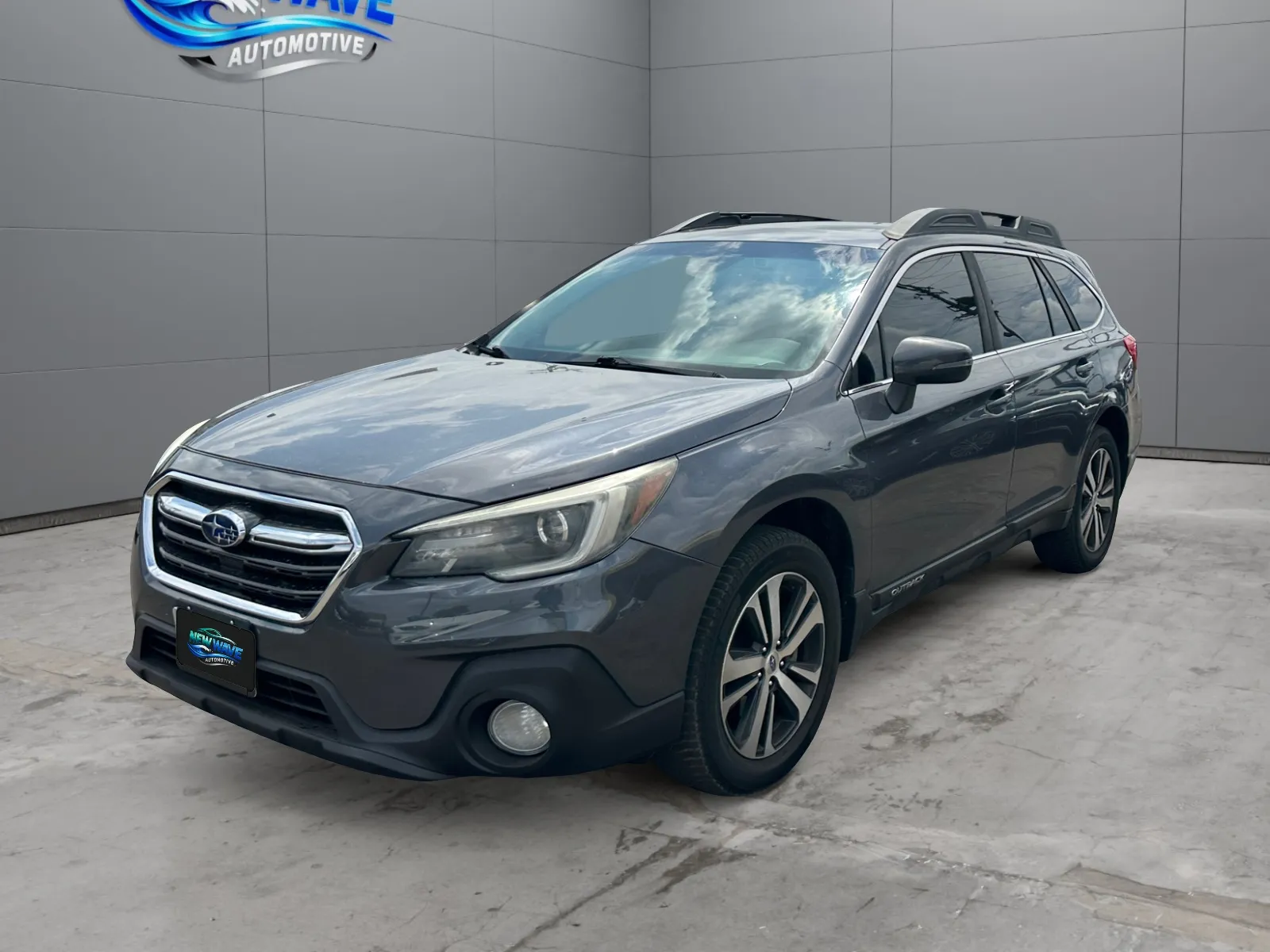
End-of-year clearance belongs to new car franchises. A dealer with sixty brand-new units on the ground has a real problem in December, because those units become last year’s models on January 1. A used inventory carries no such deadline. A 2018 Subaru Outback is a 2018 Subaru Outback in June and in December alike.
Individual vehicles are what move instead. Aging inventory ties up capital, and a unit that has been photographed, listed, and shown for weeks without selling gets its price cut. The reduction is not seasonal in origin, though seasonal demand decides how quickly a given segment reaches that point.
Reductions currently posted on our specials show the range in practice:
| Vehicle | Original price | Reduction |
|---|---|---|
| 2022 Ram 1500 Laramie | $36,644 | $6,000 |
| 2017 Jeep Grand Cherokee Summit | $25,644 | $3,000 |
| 2014 Jeep Wrangler Unlimited | $20,644 | $2,000 |
| 2017 Lexus CT 200h | $20,144 | $1,500 |
| 2017 Chevrolet Suburban LT | $21,144 | $500 |
Every vehicle also carries a $649 dealer handling fee, listed as its own line rather than folded into the number. A reduction and a fee are separate figures, and both should be visible to you before you sit down with anyone.
Why Denver Inventory Gets Repriced When It Does
Demand decides how long a vehicle sits, and here demand is segmented by weather more than by month. A front-wheel-drive sedan and a 4x4 pickup do not follow the same curve in Colorado.
Sedans and commuter cars move steadily through spring, when tax refunds fund down payments and buyers who spent the winter looking finally commit. That same window is when interest in AWD falls off, because the snow is behind everyone. Trucks and SUVs run the opposite way. They thin out from October through the first serious storm, then sit through late spring while the sedans do the work.
A vehicle repriced in April is often a truck. One repriced in October is often a sedan. The cuts posted on our manager specials tend to track whichever segment is out of season, which is the closest thing to a seasonal promotion the used market actually produces.
Checking a Discount Against the Denver Market
A posted reduction only means something against a benchmark. Two thousand dollars off an inflated asking price just leaves you right back where you started. That part trips a lot of buyers up.
Segment ranges are the fastest sanity check. The average car prices for used SUVs and crossovers in Denver start around $18,000 and climb toward $35,000 for newer, lower-mileage examples, while 4x4 trucks generally sit between $22,000 and $40,000. A discounted SUV landing at $17,000 is priced below the segment floor. Mileage and service history explain that gap far more often than a hidden problem does.
Four things to confirm on any marked-down vehicle:
- Whether the cut comes off the original price or off a figure that was raised first. Ask what the vehicle was listed at when it arrived.
- What the sale price includes. Fees, taxes, and title and registration are separate from the advertised number at every dealership, ours included.
- What the vehicle history shows. A free CARFAX report is available on everything in our inventory, and a long documented service record often accounts for a lower price.
- Whether it qualifies for the free warranty. Our 3-month, 3,000-mile certified coverage applies to select vehicles rather than all of them, so confirm it on the specific unit.
A vehicle listed for a while also has more room left than one that arrived last week. That is a fair question to ask outright.
The AWD Premium That Rarely Goes on Sale
AWD and 4x4 capability carries a premium here because local demand runs above the national average, and that premium holds firmest in exactly the months buyers want it. October and November bring people who plan to drive I-70 into the mountains all winter and would rather not learn their vehicle’s limits on the way up.
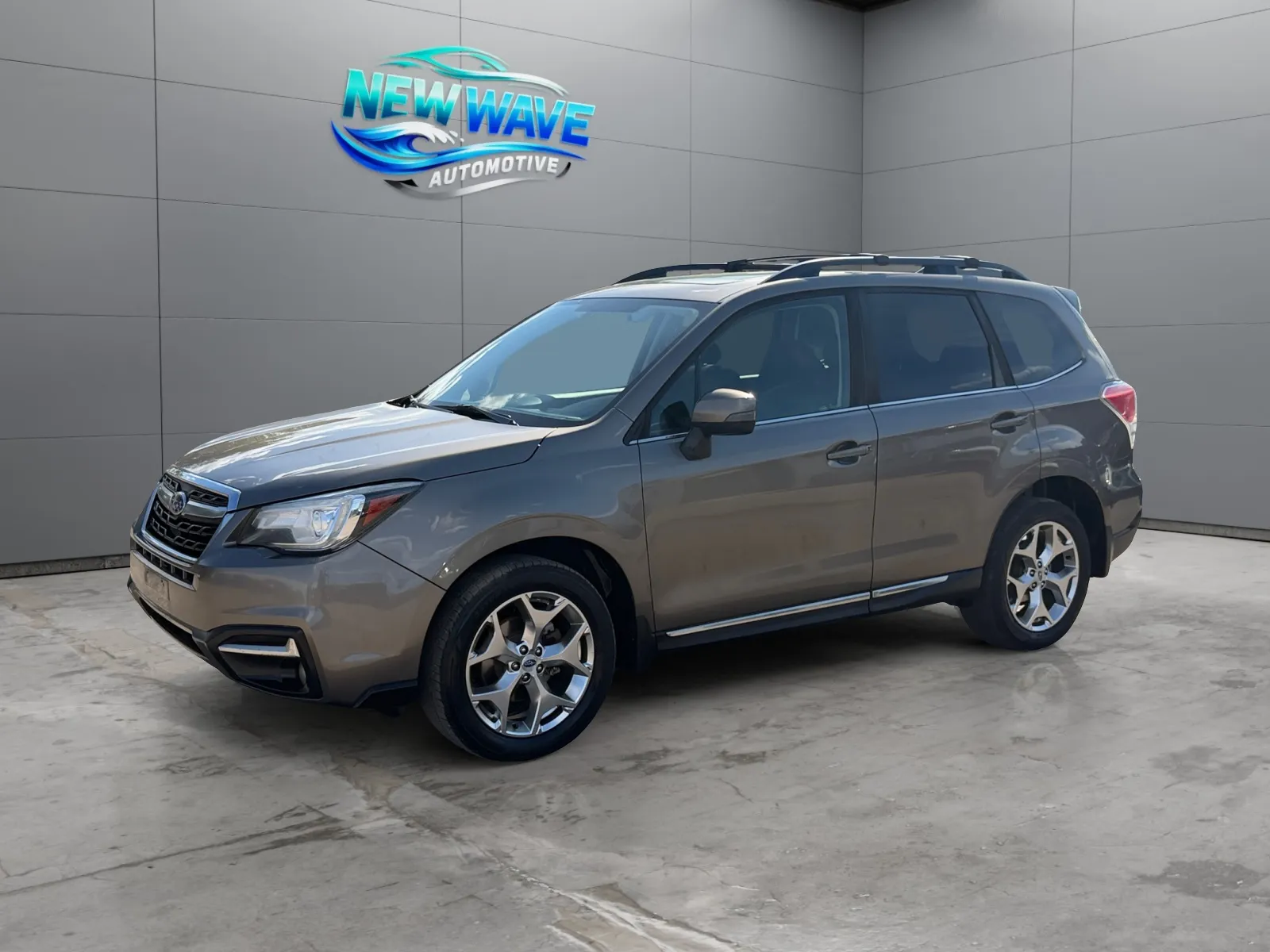
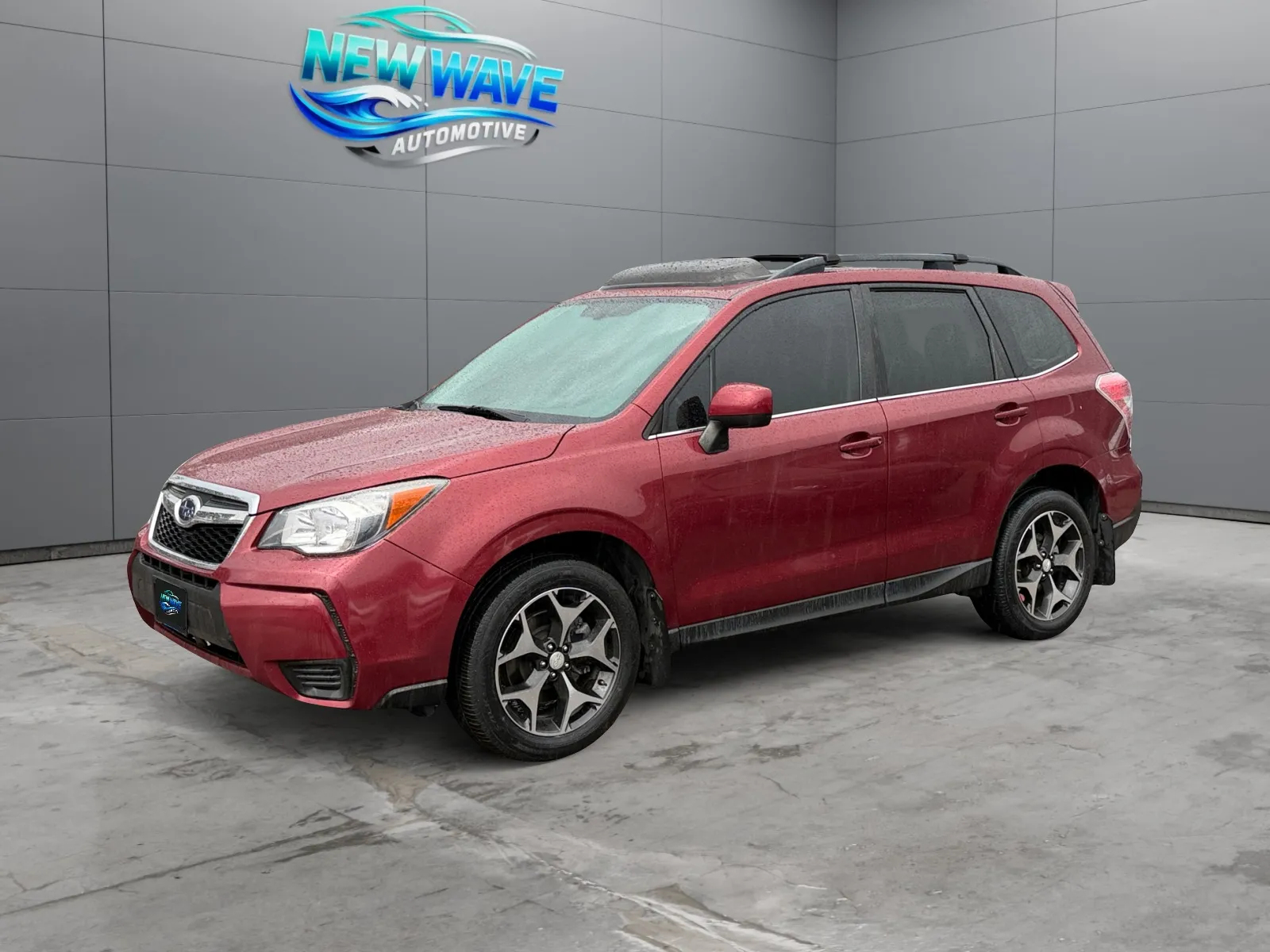
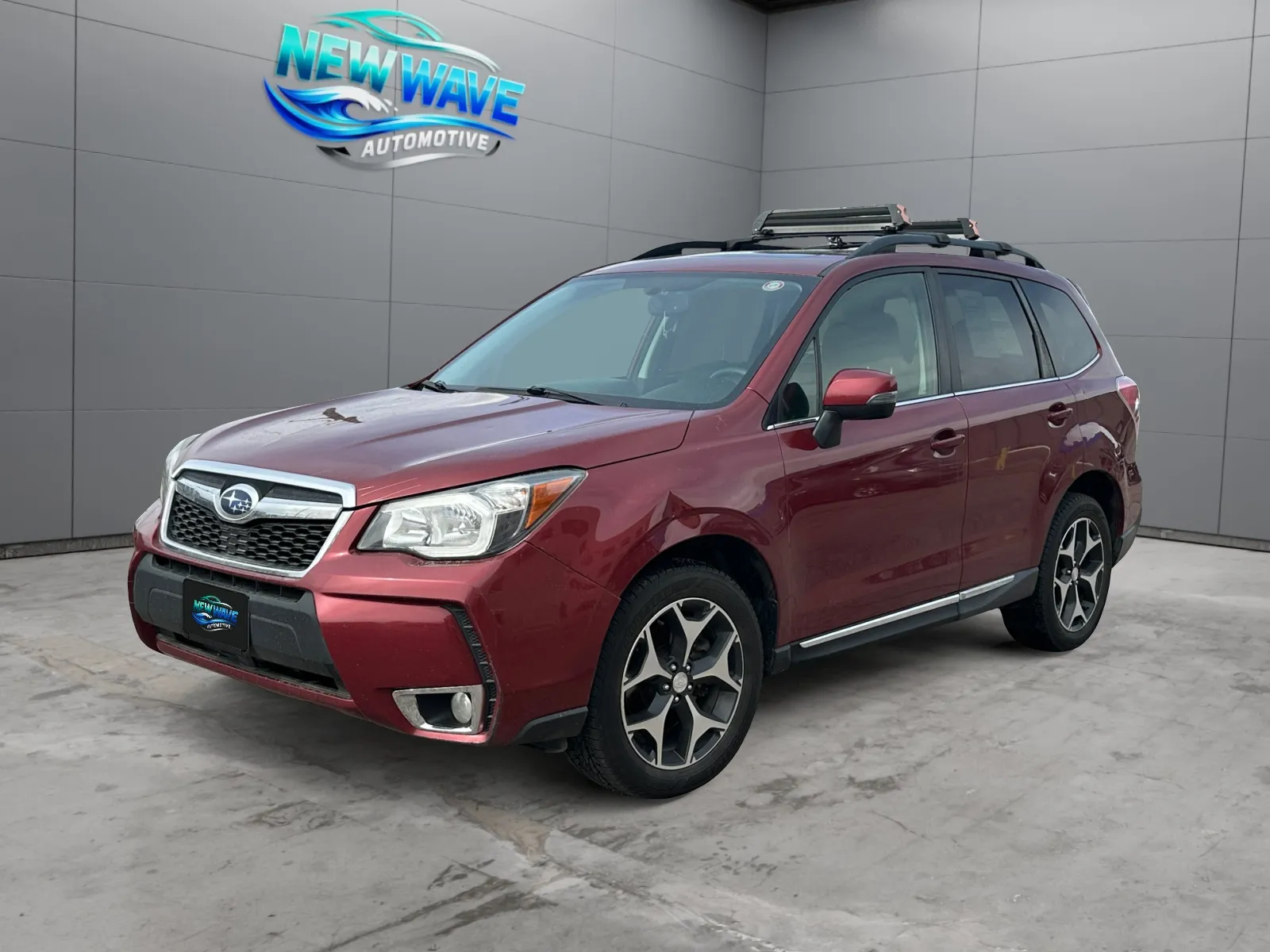
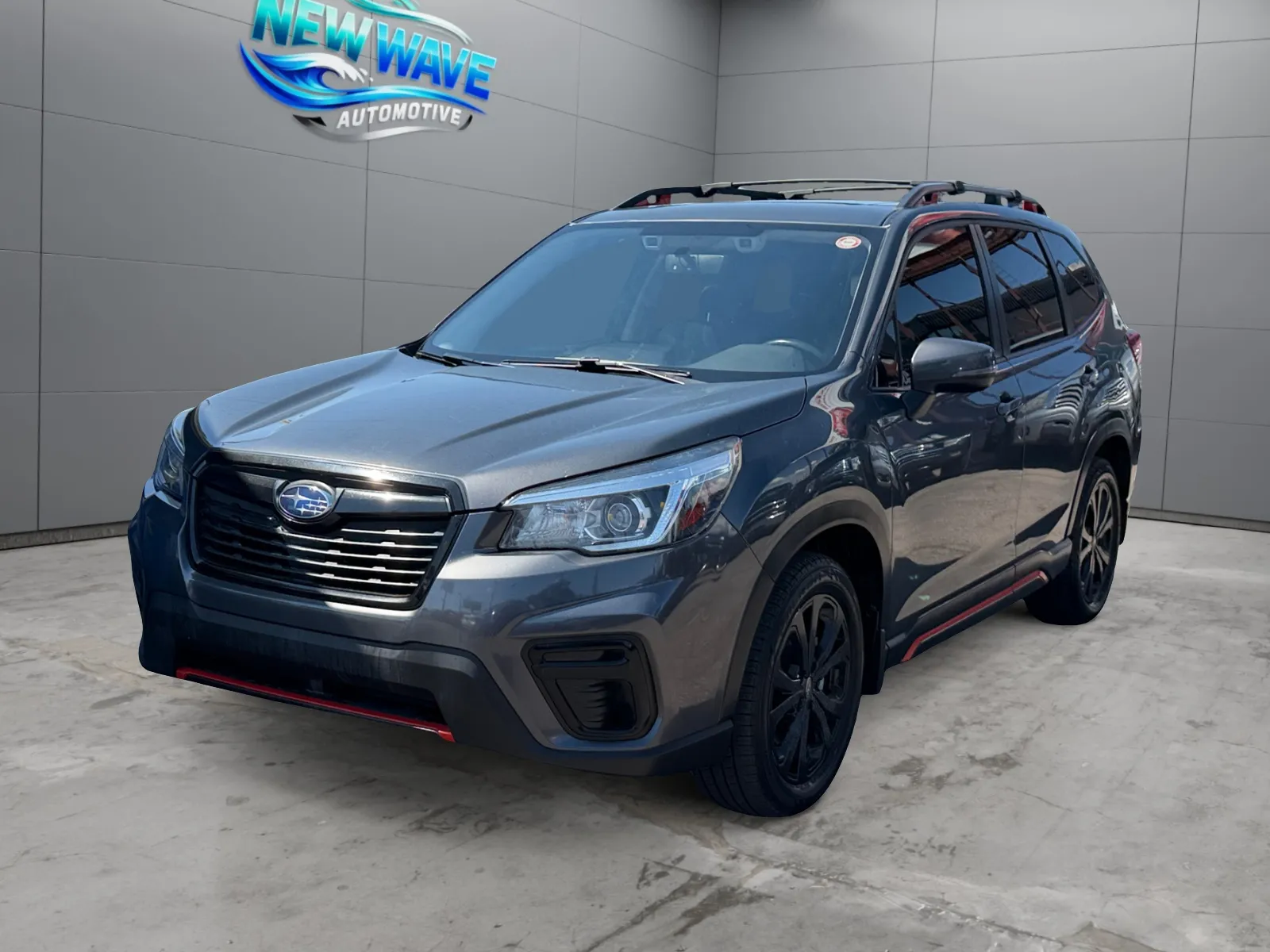
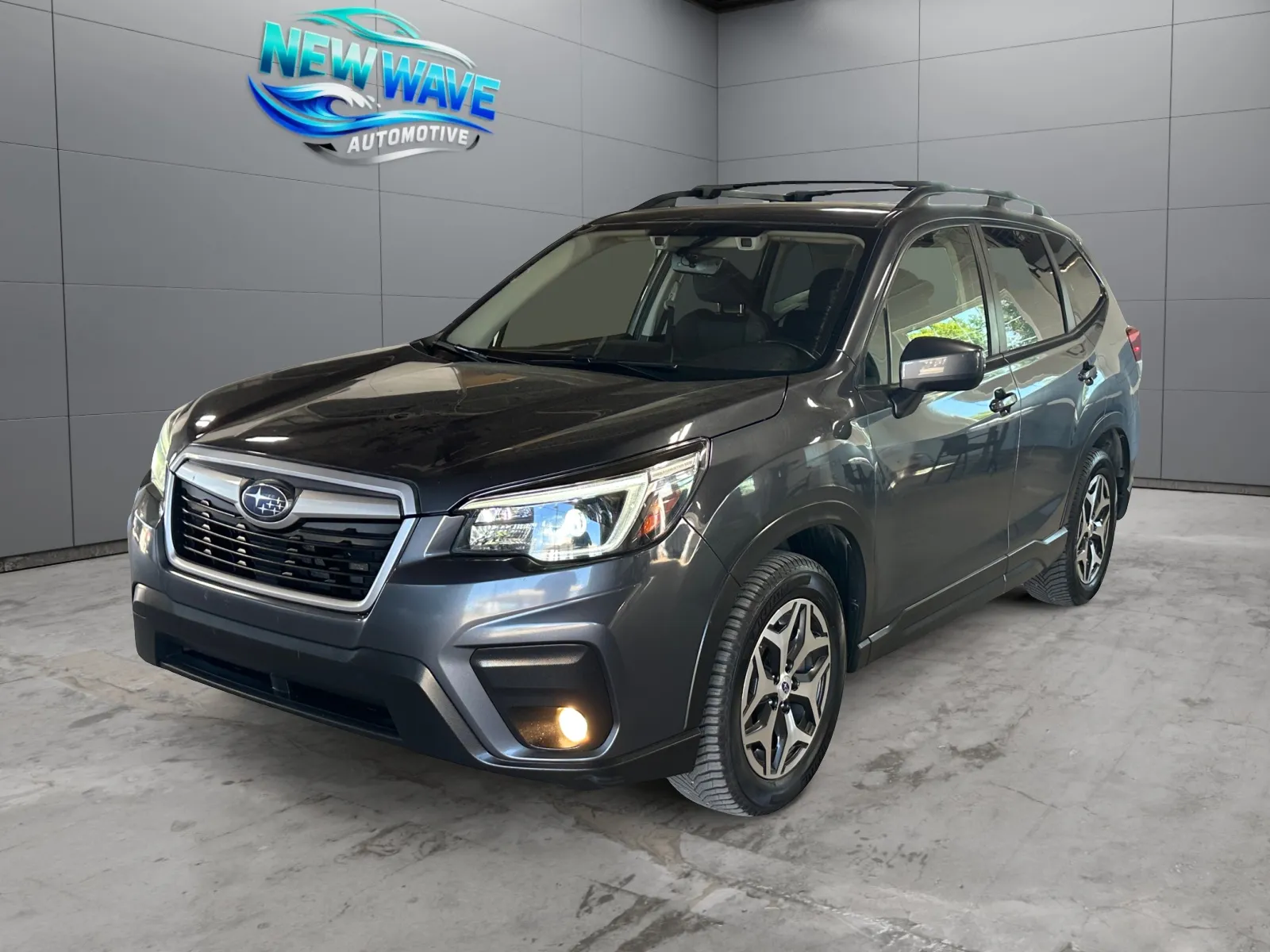
A Subaru Forester that sat for six weeks in May can be gone in three days in October. That compression is why waiting for a discount on a winter-capable vehicle is the least reliable form of seasonal timing. The vehicles under the most demand pressure are the ones least likely to get repriced at all.
Buyers who want AWD and have some flexibility do better in late summer. September gives you the selection before the first forecast changes everyone’s plans, and it leaves time to drive more than one option.
Timing a Purchase Without Waiting Out the Calendar
Seasonal patterns are useful at the margin and useless as a reason to stall. Someone who starts looking in February and plans to buy in June usually finds the specific vehicle sold in March. June is a different market with different inventory, not the same lot at a discount.
The realistic version is narrow. With genuine flexibility and no urgent need, shopping a segment during its off-season improves your odds of finding something already marked down. On a three-week timeline, seasonal advice is background noise and preparation is the whole game.
Preparation is also the part you control. Pre-approval before you shop means acting on a reduction the week it posts instead of starting a finance conversation while someone else signs. We work with a network of lenders across credit tiers, including first-time buyers and people rebuilding, so we can usually answer the approval question before you choose a vehicle.
Our team is bilingual, and we explain the paperwork in whichever language you'd prefer. Across more than 1,300 Google reviews, customers mention that part of the process most.
The lot is at 1262 West Alameda Avenue, a few minutes off I-25 and an easy run in from Lakewood, Englewood, Littleton, or Aurora. Browse what is on the ground at drivethewave.com/used-cars-in-denver-co, and settle the approval question first at drivethewave.com/finance so nothing holds you up when the right vehicle shows up.
Common Questions About Denver Used Car Pricing
Do used car dealers in Denver run seasonal sales events?
When is the worst time to buy an AWD vehicle here?
How much is a typical reduction on a used vehicle?
Should I wait for a better season before buying?
Related Topics: