Electric Vehicles in Denver: Incentives, Rebates and Costs
Table of Contents
- Colorado's State Incentives for Electric Vehicle Buyers
- Federal Tax Credits on Electric Vehicles
- Utility Rebates and Denver's Charging Infrastructure
- What It Actually Costs to Own an EV in Denver
- Used Electric Vehicles: A Growing Option in Denver
- Is an Electric Vehicle the Right Fit for Your Denver Lifestyle
- What to Check Before Buying a Used EV
- Frequently Asked Questions About Electric Vehicles in Denver

Electric vehicles have gone from niche to mainstream in the Denver market faster than most buyers expected, honestly, just a few years ago. Colorado has been one of the more active states pushing this transition, and buyers in the Denver metro get access to a mix of state, federal, and utility incentives that meaningfully lower the upfront cost of going electric.
Whether you are eyeing a new EV or looking at used electric inventory, understanding what financial support is out there and what the ongoing costs actually look like is kind of the starting point for a decision that holds up over time.
And if you want help sorting through all of it, our team at New Wave Auto Brokers and Sales offers some of the best car broker services in the Denver area to make that process a lot less confusing.
Colorado's State Incentives for Electric Vehicle Buyers
Colorado offers one of the stronger state-level electric vehicle incentive programs in the country. The state tax credit applies to qualifying purchases and reduces the amount you owe in state income tax for the year you buy.
Colorado has consistently revised and extended its EV support programs, and the credit amounts for new and used electric vehicles have changed over time as the programs have matured. To confirm the current credit structure, check the Colorado Energy Office or our team before finalizing any purchase.
Used electric vehicles have their own credit structure in Colorado, separate from the new vehicle incentive. The credit amount for used EVs is lower than for new vehicles, but for buyers shopping in the pre-owned market, it still represents meaningful savings at the time of purchase.
Colorado's state credit is separate from any federal credit, which means buyers who qualify for both can stack them, and that combination can significantly change the effective purchase price.
Plug-in hybrid vehicles that meet the state's battery capacity threshold can also qualify for a portion of this credit, which is worth factoring in if you're deciding between a plug-in hybrid and a fully electric model. Our team can help buyers work through which incentives apply to a specific vehicle in our inventory.
Federal Tax Credits on Electric Vehicles
The federal government offers tax credits for qualifying electric vehicles, and the structure of that program has gone through changes in recent years. For new EVs, the maximum federal credit is $7,500, though not all vehicles qualify for the full amount.
Price caps on the vehicle and income limits for the buyer both affect eligibility, so confirm qualification before committing to any specific vehicle. In some cases, buyers can apply the credit at the point of sale rather than waiting until tax filing, which changes how they experience the benefit.
For used electric vehicles, a separate federal credit applies to qualifying purchases from licensed dealerships. That credit has its own price cap and income limits, and it has expanded access to federal EV support for buyers who cannot afford new vehicle prices.
Because tax credit rules can change with legislation, the safest approach is to verify the current structure with a tax professional or through IRS guidelines before purchase. Our team can point buyers to the right resources to confirm eligibility for any specific vehicle.
| Credit Type | Applies To | What to Confirm |
|---|---|---|
| Colorado state credit, new EV | New qualifying electric vehicles | Current credit amount with the Colorado Energy Office |
| Colorado state credit, used EV | Used qualifying electric vehicles | Lower amount than new, still stackable with federal |
| Federal credit, new EV | New EVs up to $7,500 | Vehicle price cap and buyer income limit |
| Federal credit, used EV | Used EVs from a licensed dealer | Separate price cap and income limit from the new credit |
Utility Rebates and Denver's Charging Infrastructure
Xcel Energy, the primary utility provider across much of the Denver metro, has offered rebate programs for home EV charging equipment. Rebates on home charger installation and time-of-use electricity rates that make overnight charging cheaper are part of the support structure available to Denver EV owners.
These programs change over time, so checking Xcel Energy's current offerings directly before budgeting for a home charging setup gives you the most accurate picture.
Public charging in Denver has expanded considerably over the past few years. The city has added stations at parking facilities, along major corridors, and at retail locations across the metro. Fast charging options along I-25 and near downtown Denver cover most in-city charging needs, though the infrastructure thins out significantly on mountain roads.
For buyers who plan to drive into the mountains regularly, planning around charging availability on I-70 and at mountain destinations is a real part of evaluating whether a fully electric vehicle fits their lifestyle or whether a plug-in hybrid makes more sense.
What It Actually Costs to Own an EV in Denver
The ownership cost comparison between an electric vehicle and a gas-powered equivalent comes down to fuel, maintenance, and depreciation as the three main factors. On fuel, EVs win clearly in most Denver scenarios.
Charging at home overnight using off-peak electricity rates costs significantly less per mile than filling up at a gas station, and that gap widens when gas prices rise. Denver's gas prices have historically tracked with national fluctuations, which makes the cost advantage of electricity more predictable over the life of the vehicle.
EVs have lower maintenance costs because their drivetrain has fewer moving parts than a combustion engine. No oil changes, fewer brake replacements due to regenerative braking, and a simpler mechanical profile translate to lower service costs over time.
The main variable is the battery. Battery replacement is expensive if it becomes necessary, and while modern EV batteries have proven more durable than early concerns suggested, the age and condition of the battery is the most telling thing to assess when buying a used electric vehicle.
Our team can walk through what battery health looks like on any specific EV in our inventory.
Used Electric Vehicles: A Growing Option in Denver
The used EV market in Denver has grown alongside the new EV market, and prices on pre-owned electric vehicles have come down from the peaks of a few years ago.
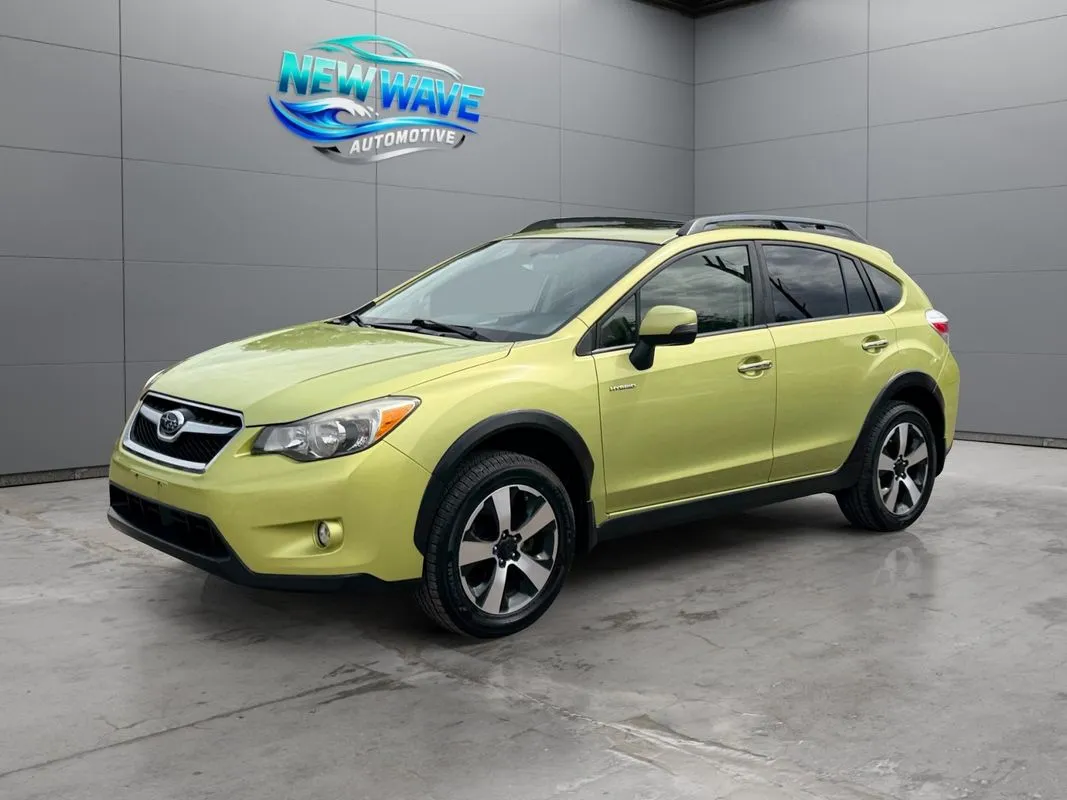
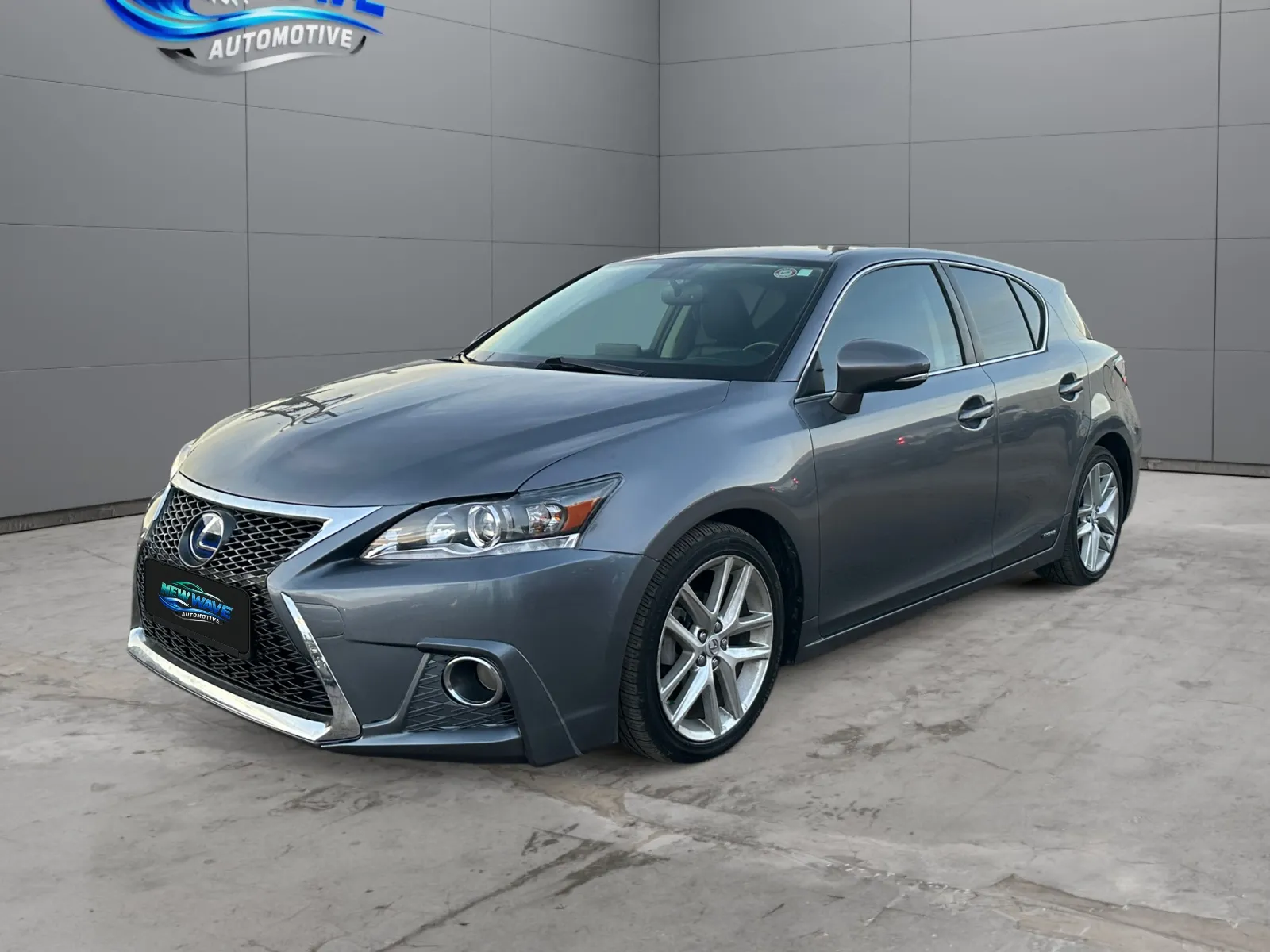
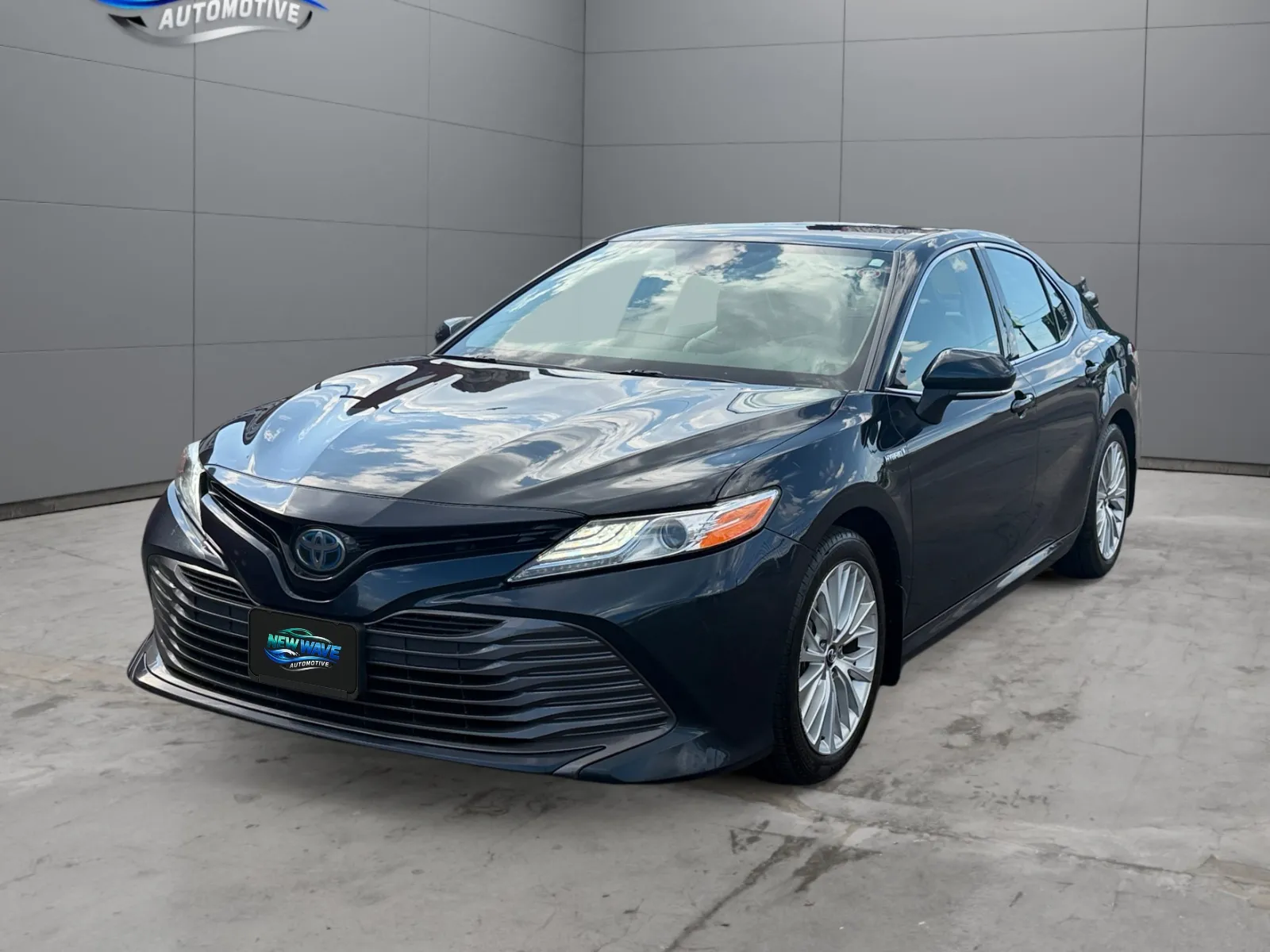
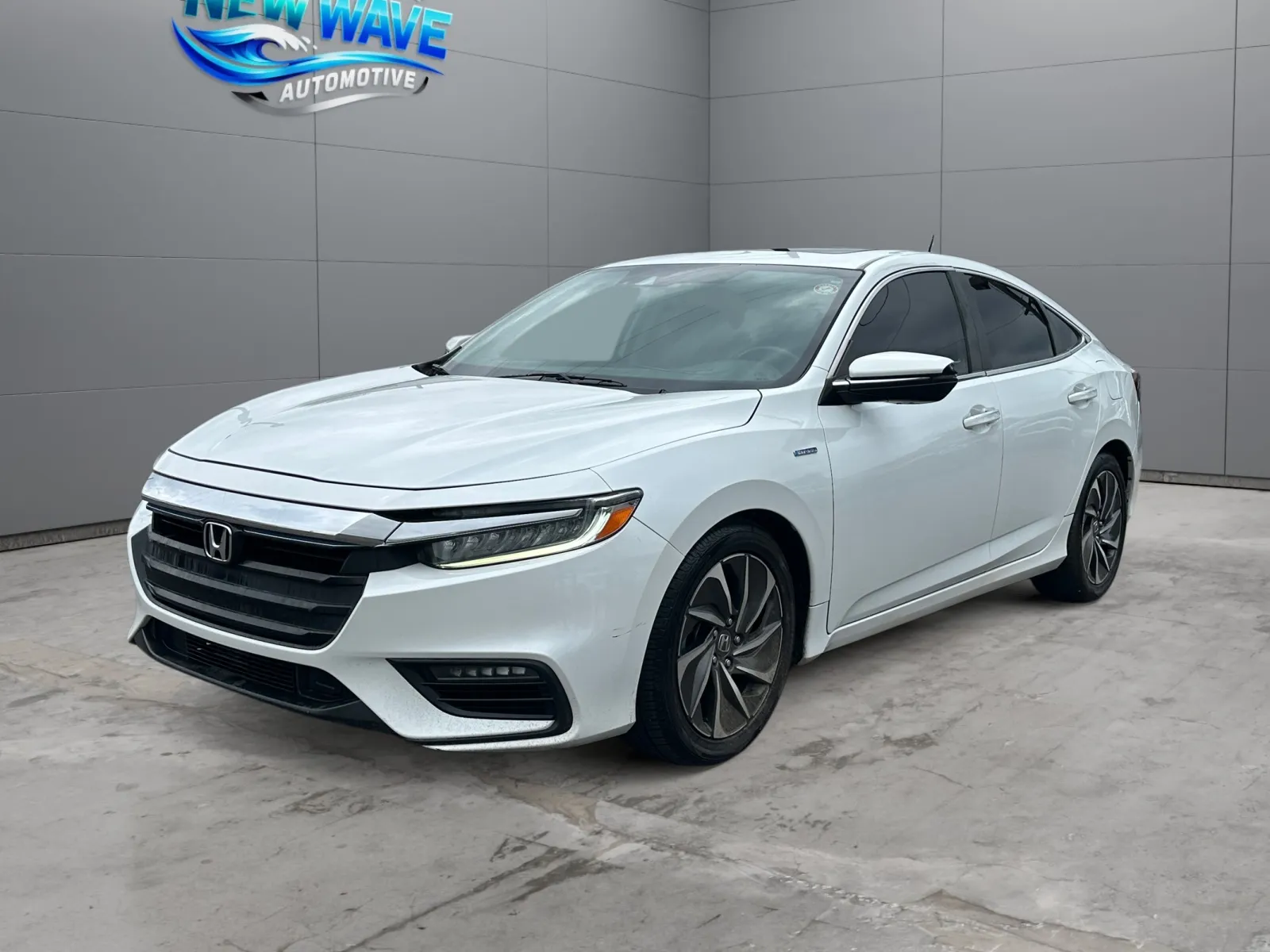
Buyers who were priced out of new EV purchases are finding that a two- to four-year-old electric vehicle, with the used EV tax credit applied, is a practical option in the Denver metro. Our hybrid and electric inventory sits alongside our broader selection of used vehicles.
What to check on a used EV is different from what you check on a gas-powered vehicle, though inspecting a used car thoroughly before buying still matters just as much. Battery state of health is the most telling variable.
Many EVs display current battery health in the vehicle settings, and a diagnostic scan from a technician familiar with the specific model can give a range estimate based on actual battery condition rather than original factory specs.
Charging history matters too. Vehicles that were frequently fast-charged or regularly charged to full capacity may show more battery degradation than vehicles where the previous owner managed charging carefully. These are all questions our team can help buyers work through before committing.
Is an Electric Vehicle the Right Fit for Your Denver Lifestyle
For most Denver buyers who do the majority of their driving within the metro and make occasional mountain trips, a modern EV handles the day-to-day well. The range concern that once dominated EV conversations has eased significantly as battery capacity has improved and charging infrastructure has expanded.
The more relevant question for Denver buyers is how often they drive into the mountains and what their charging options look like in those situations.
Buyers who regularly make round trips to Breckenridge, Estes Park, or Steamboat Springs should plan carefully. Elevation gain reduces range more than flat highway driving, and a vehicle rated for 250 miles at sea level may deliver noticeably less on a mountain route.
If mountain access is a regular part of life and a fully electric vehicle creates range anxiety on those drives, a plug-in hybrid changes the equation. It covers the typical Denver commute on electric power and falls back on the combustion engine on longer mountain drives, which removes the charging dependency without giving up the in-city efficiency benefit.
If you are weighing an EV against a plug-in hybrid or a standard gas vehicle, our team can walk through the actual numbers for a specific vehicle in our current inventory rather than general estimates.
What to Check Before Buying a Used EV
- Current battery state of health, not just the original factory range rating
- Charging history, since frequent fast charging can accelerate battery wear
- Real-world range at elevation, which drops faster than on flat highway driving
- Service records, even though EVs need less routine maintenance overall
- Whether the vehicle qualifies for the used EV federal and state tax credits
Frequently Asked Questions About Electric Vehicles in Denver
Can I combine the federal and Colorado state EV tax credits?
Does cold Colorado weather hurt EV range?
Is a used EV a good option for a Denver commuter?
What matters most when buying a used EV?
Related Topics: