Electric vs Hybrid Cars: What's Right for Denver Drivers?
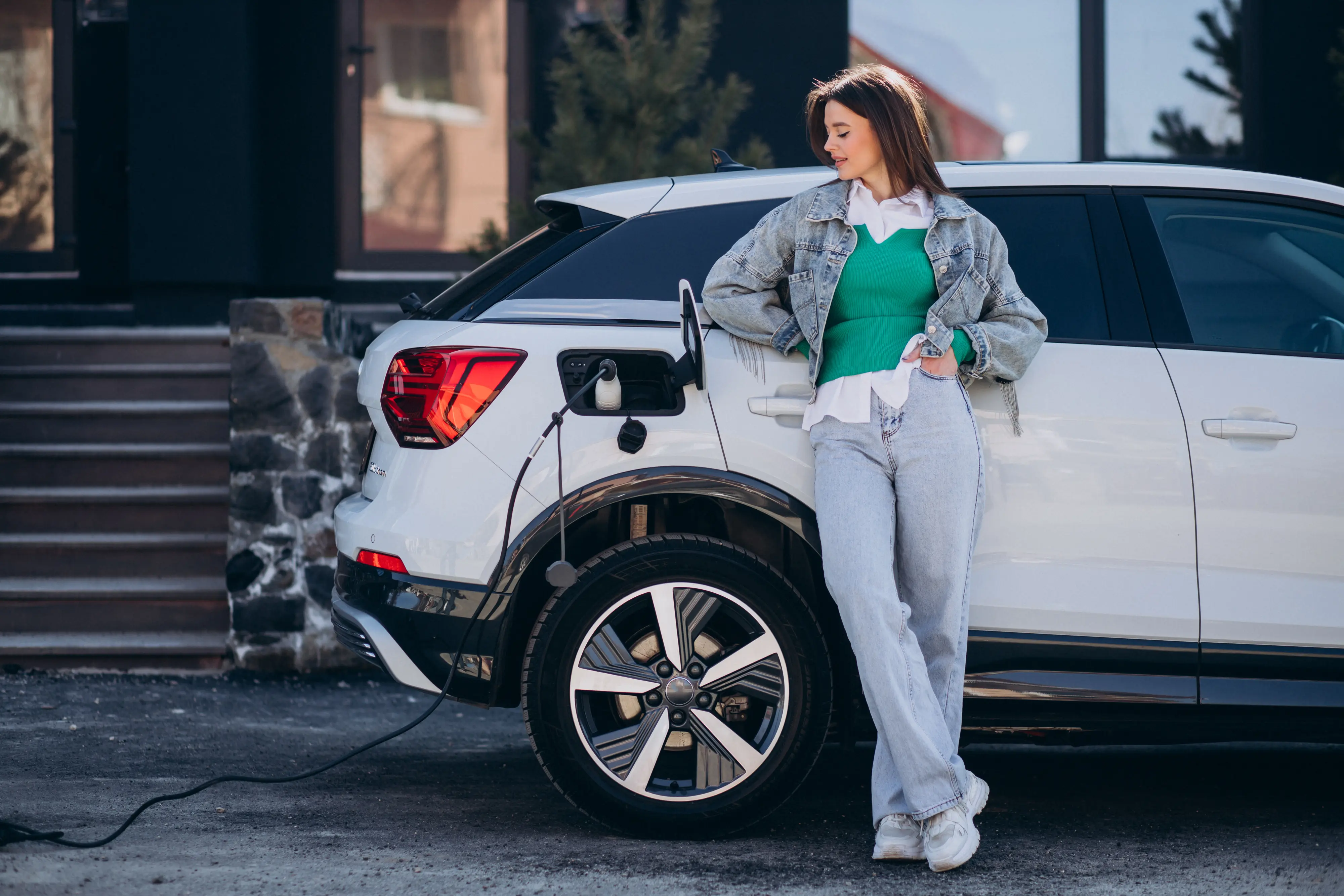
Both electric vehicles and hybrids have found a real audience in Denver, which is why working with a trusted broker in Denver, CO can save you a lot of back-and-forth when you are weighing the two. The city has a growing charging network, a population that takes fuel costs seriously, and easy access to mountain terrain that tests whatever you happen to be driving. The right choice between an EV and a hybrid really comes down to your daily driving patterns, where you live around the metro, and how often you head up into the mountains.
How EVs Perform in Colorado's Climate
Fully electric vehicles perform differently in Colorado than in warmer states, and the reasons are worth understanding before you buy.
Battery range on an EV drops in cold temperatures. This is documented across all battery chemistries. In Denver's winter, buyers who see 260 miles of range in September may see 180 to 210 miles in January. That is still workable for most daily commutes, but it changes the math for longer mountain trips considerably.
Altitude also affects EV performance slightly, though modern EV motors handle altitude better than combustion engines historically have. The more interesting Colorado factor is regenerative braking on descents. EV drivers coming down from the mountains with regenerative braking engaged often arrive back in Denver with more charge than they left with. That is a genuinely useful feature on that particular stretch of road.
For Denver buyers whose driving is primarily within the metro, an EV is a strong option. For buyers whose regular route includes I-70 mountain passes in winter, range planning becomes a real and recurring factor.
How Hybrids Handle Denver Driving
Hybrid vehicles combine a gasoline engine with an electric motor and a battery that charges through regenerative braking. You never plug in a standard hybrid. It manages its own charging cycle and switches between power sources automatically.
At altitude and in cold weather, hybrids perform more predictably than pure EVs because the gasoline engine takes over when the battery is depleted or the conditions demand it. For Denver drivers who split time between the city and the mountains, a hybrid avoids the range concerns that some EV owners navigate on I-70 in winter.
Fuel efficiency on a hybrid improves significantly in stop-and-go city driving, where the electric motor does more work and the gas engine shuts off more often. On the open highway at sustained speed, the efficiency advantage narrows. For Denver commuters regularly sitting on I-25, that city efficiency gain is real and measurable.
Charging Infrastructure in Denver
Denver's EV charging network has grown substantially in recent years. The city has public Level 2 chargers and DC fast chargers across the metro, and most new apartment and condo developments include charging provisions.
Home charging is where the math improves most for EV owners. A Level 2 charger installed in a garage can bring most EVs to a full charge overnight, making public charger availability a secondary concern for everyday commuting. The situation is different for Denver residents in older apartments without dedicated parking, where access to reliable charging is less predictable.
Along I-70 toward the mountains, charger availability has improved but is not yet consistent enough to make long mountain trips entirely stress-free in an EV without deliberate stop planning.
Cost Comparison Over Time
The upfront cost of a new EV is typically higher than a comparable hybrid, but that gap narrows significantly in the used car market. Used EVs have come down in price as the market has matured, and federal and Colorado state incentives apply to used EV purchases under certain income and price thresholds.
Total cost of ownership for an EV includes lower per-mile fuel costs, fewer oil changes, and less brake wear due to regenerative braking. A hybrid carries higher fuel costs than an EV but lower upfront cost and no charging dependency. Neither is universally cheaper. The right answer depends on your specific driving distance and local energy rates.
Which Makes More Sense for Your Situation
An EV works well for Denver buyers who drive primarily within the metro, have reliable home charging, and want the lowest per-mile operating cost over time. A hybrid works well for buyers who frequently drive into the mountains, live where home charging is not available, or want better fuel economy without changing their refueling habits.
For buyers who commute on I-25 and take a few mountain trips per year, a plug-in hybrid, which allows short-range electric-only driving with gasoline backup for longer trips, can be a practical middle ground.
Hybrid Inventory at New Wave Automotive
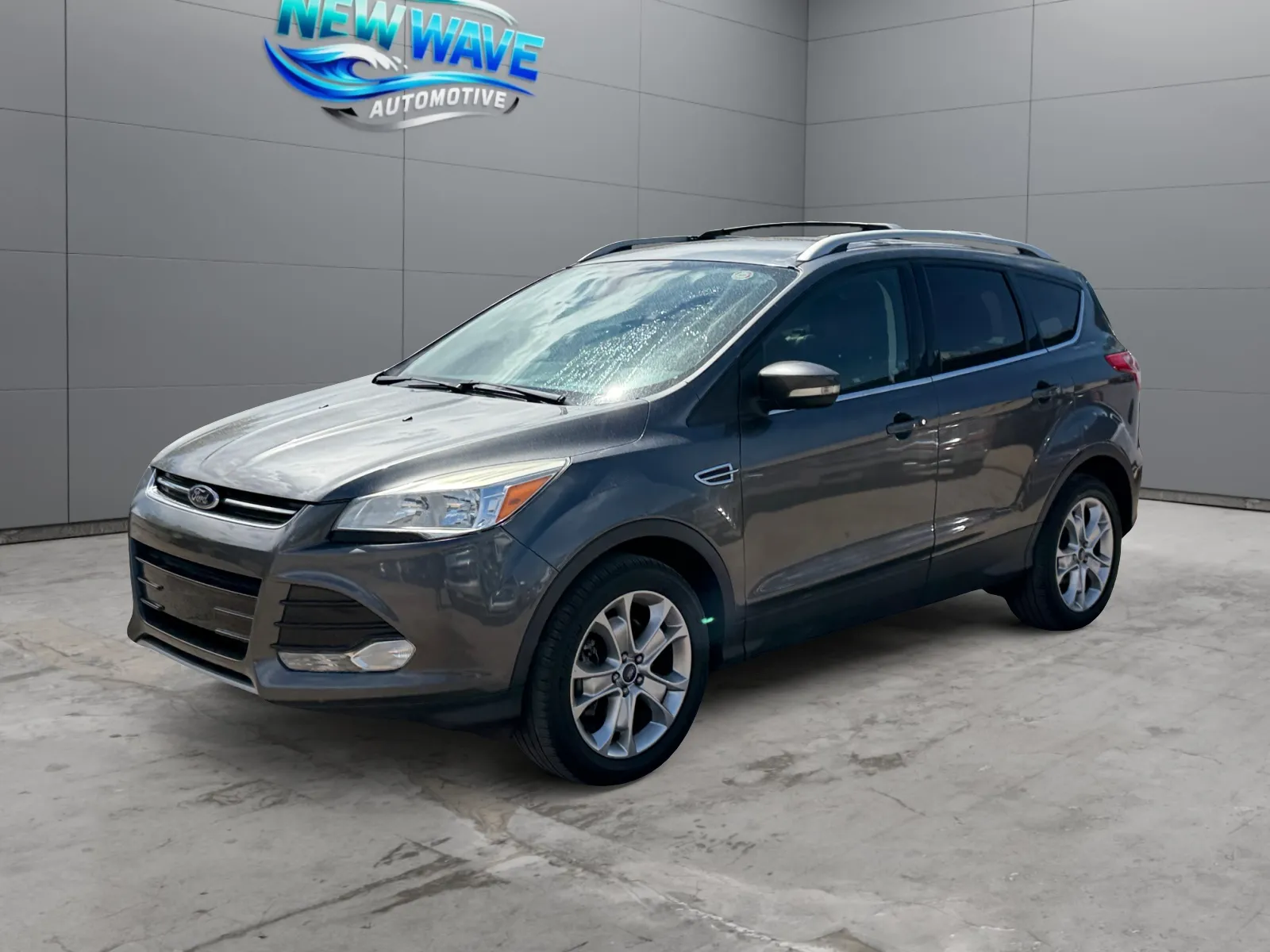
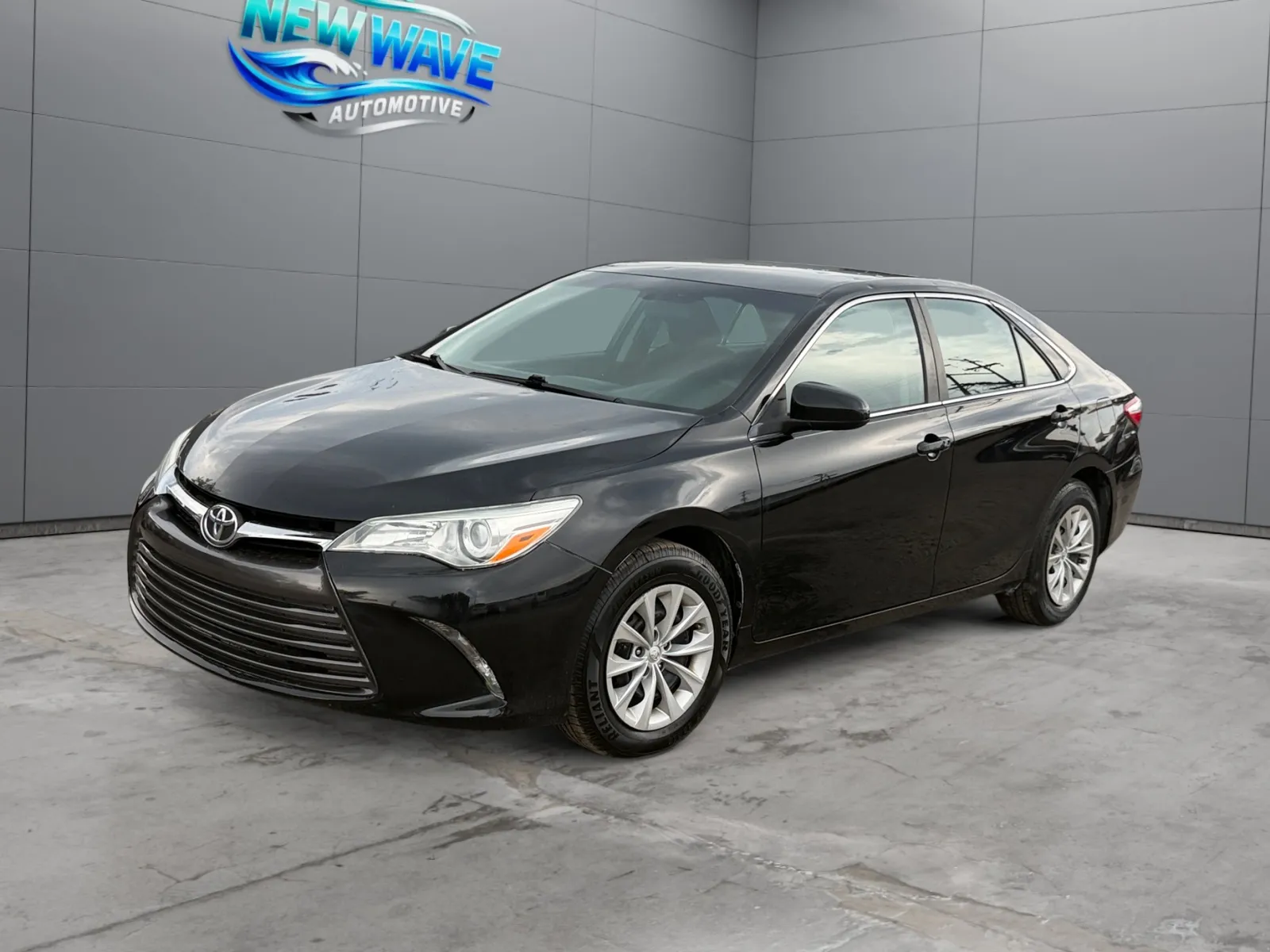
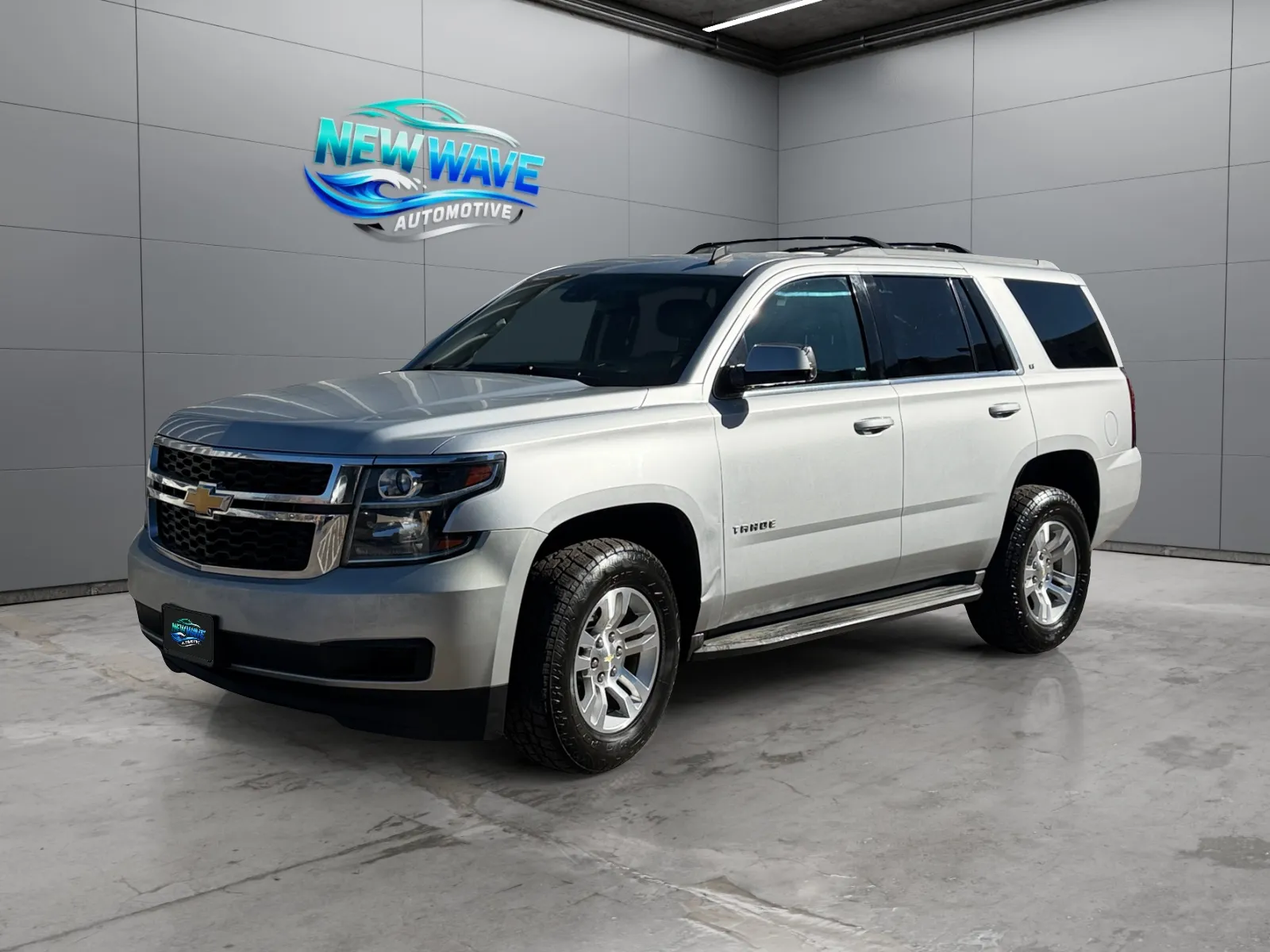
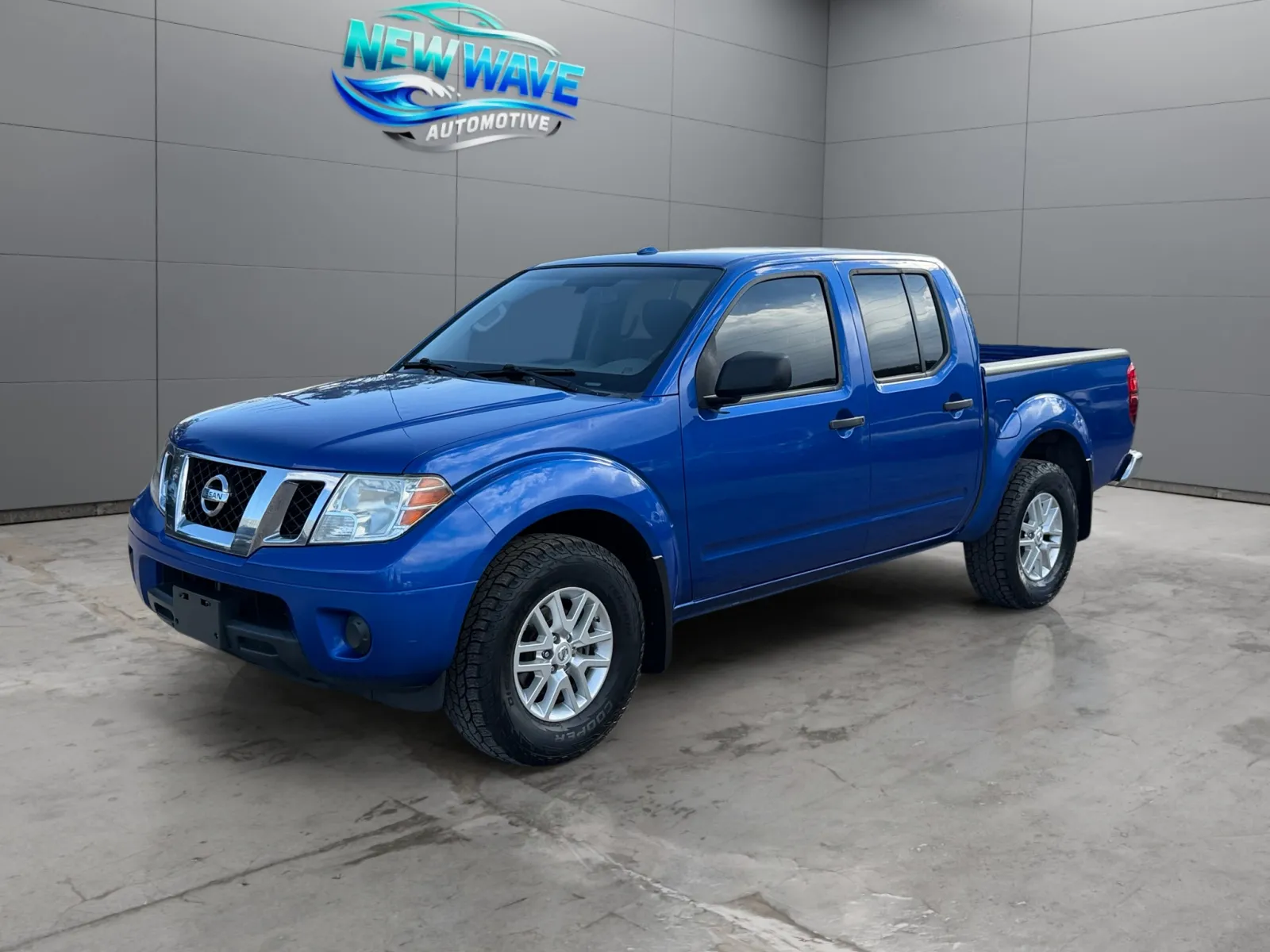
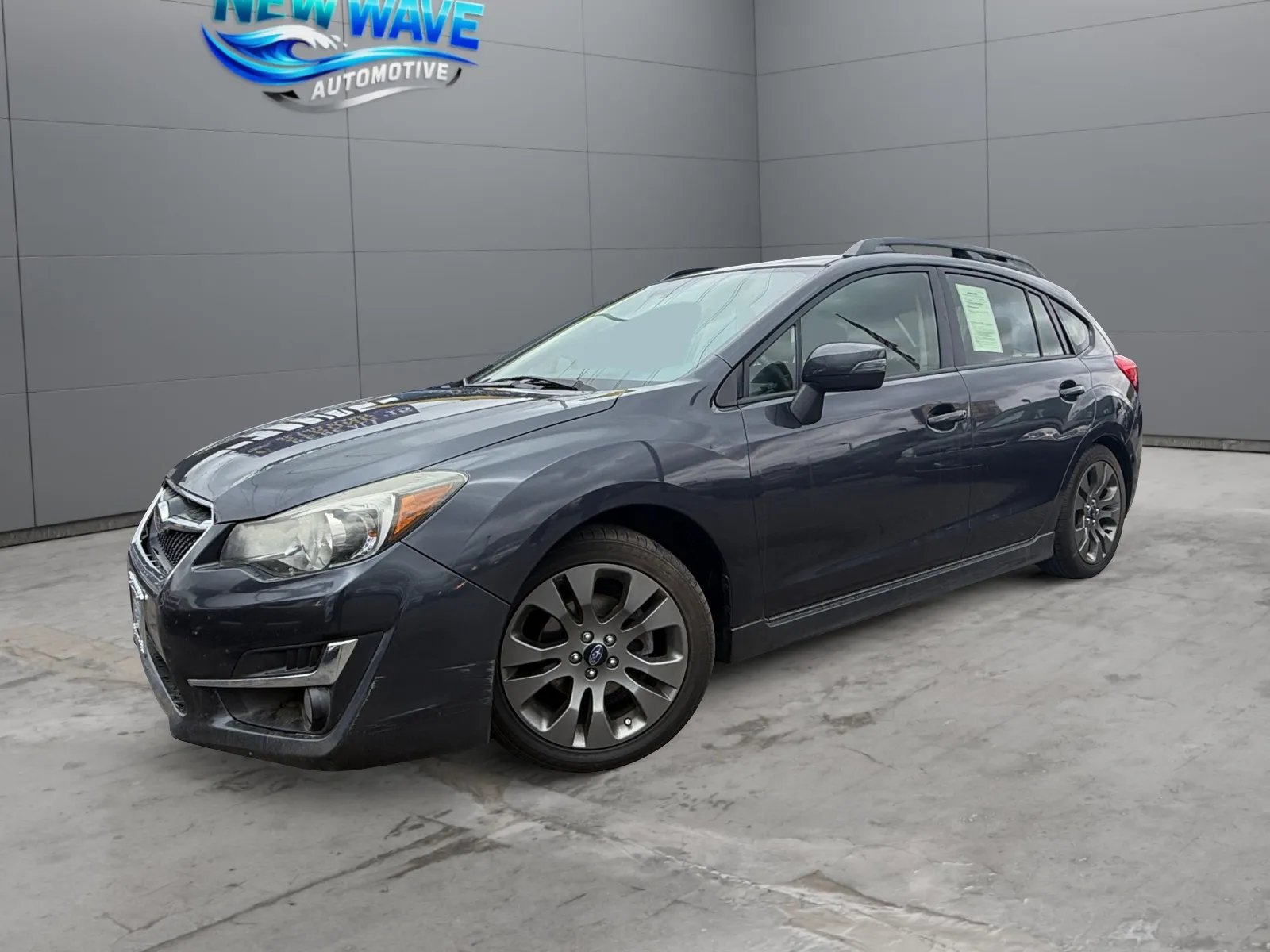
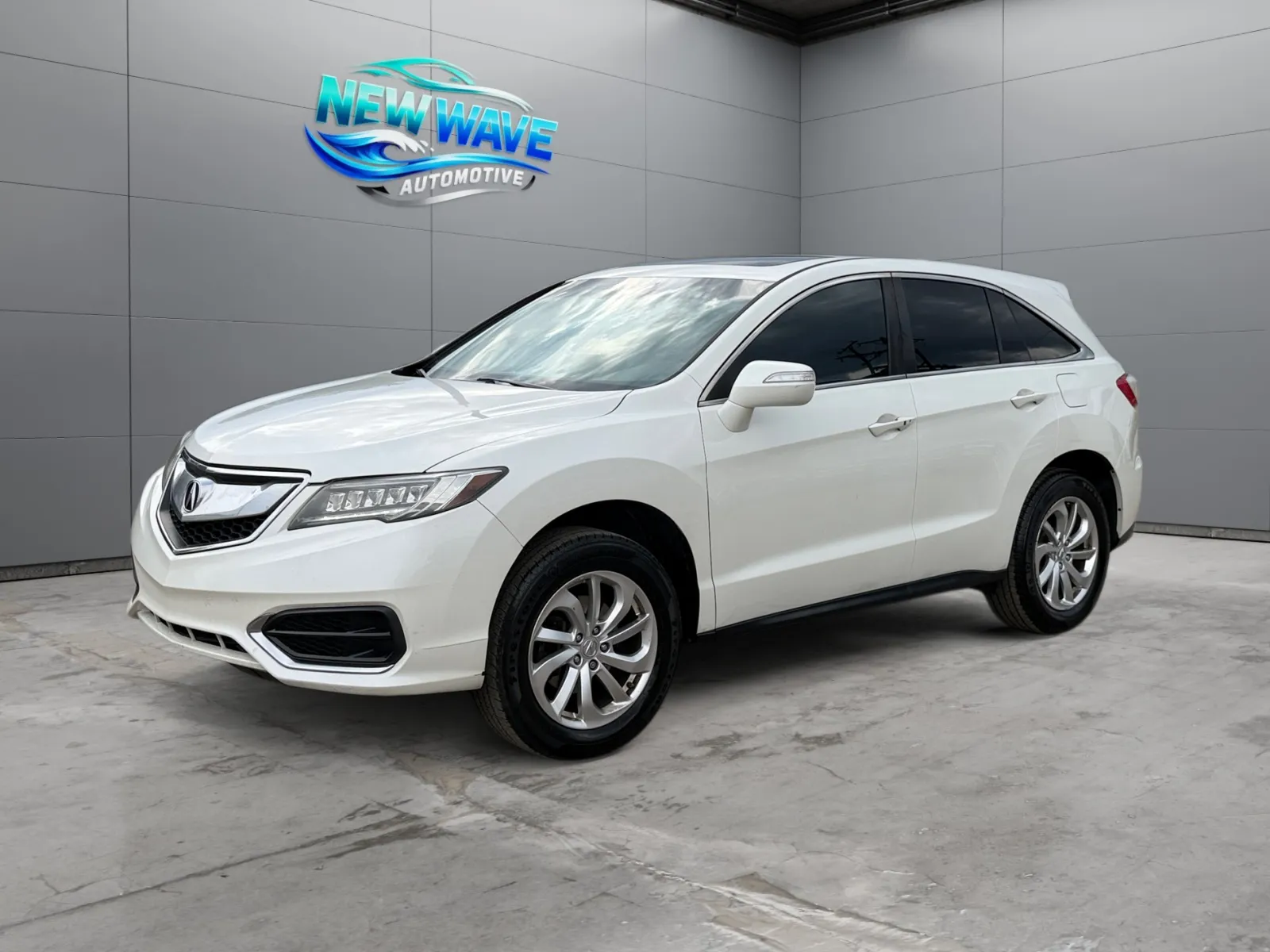
At New Wave Automotive, we carry hybrid vehicles as part of our rotating used car inventory. Browse our current hybrid options at drivethewave.com/hybrids or see the full used car selection in Denver at drivethewave.com/used-cars-in-denver-co to find available makes and price points.
Our team can walk you through the specifics of any vehicle on the lot, including AWD status, battery range where applicable, and charging requirements, in English or Spanish. Financing is available for all credit types, and online pre-approval is at drivethewave.com/finance.
Come see us at 1262 West Alameda Avenue, Denver, CO 80223. We are open Monday through Friday from 9 AM to 8 PM and Saturday from 9 AM to 7 PM. Call us at (303) 639-9283.
Related Topics: