What Should You Know Before Buying a Car With No Credit in Denver, CO?
No credit and bad credit are not the same problem, and honestly, lenders treat them pretty differently. A blank file just means there is nothing negative to weigh, only nothing to weigh at all.
Several lenders actually build programs around exactly that. We work with a network of them as a Denver auto dealer, from the same address since April 18, 2017. A first car is usually what creates a credit file in the first place.
What fills the gap where a score would sit is verifiable income, steady employment, and a documented address. Those three carry most of the weight in a thin file decision, and a reputable auto dealer will usually walk you through all three before you even apply.
Why a Blank File Is Not a Red Flag
Scoring models need history to produce a number, and a buyer at twenty-two with no loans and no cards has basically given them nothing to work with. That produces no score rather than a low one, which is kind of an important distinction. An underwriter looking at that file has to assess the risk from other evidence instead.
Employment length matters a great deal here. Someone at the same job for a year reads very differently from someone who started three weeks ago. Identical pay on both files does not change that, by the way.
Time at your current address works the same way in an underwriter's hands. These signals substitute for payment history, and a few simple notes for first-time car buyers can help you strengthen them before you apply.
Income Verification Does the Heavy Lifting
Lenders want to see that the payment fits inside what you earn, and honestly, they want proof rather than just a stated figure. Recent pay stubs are the standard for this, usually covering a month or more of earnings.
Buyers paid in cash or working irregular hours face harder verification, so bank statements showing consistent deposits often become the workaround. The size of your deposit matters here too, and knowing what lenders expect for a down payment can help you land on a number that actually works.
Debt-to-income ratio gets calculated from what the lender can see. Rent, existing obligations, and the proposed car payment all go into it. A ratio that leaves reasonable margin improves your position, and that margin is worth protecting.
Our team can talk through what that looks like before an application goes anywhere. The whole conversation runs in English or Spanish, whichever is easier for you.
Not sure where your file stands or what to bring in? Give us a call at (303) 639-9283, and we'll walk you through it before you even step onto the lot.
What a Down Payment Actually Buys You
A down payment reduces the amount financed, which reduces the lender's exposure and often improves the rate you're offered. For a no-credit buyer, it also does something extra, kind of a bonus really. It demonstrates capacity to save, which is precisely the evidence the file is missing.
There is no universal minimum, despite how often one gets quoted. The figure depends on the vehicle, the term chosen, and the rest of your file. Bring whatever you've saved and work from the real number, because even a modest amount moves the monthly payment. It comes off the principal, not the interest. That's really where the savings show up, month after month.
Get a read on your options before you shop used cars under $20,000. Applying online first just means our finance team will have lender responses ready when you arrive. You walk the lot with an actual budget rather than a guess, which honestly makes the whole thing less stressful.
Picking a First Car That Lenders Will Finance
Vehicle age and mileage affect what a lender will advance, because the car secures the loan and has to hold value across the term. A very old or very high mileage vehicle can be harder to finance than a newer one, even if it sounds like a steal. That holds true even at a lower price, which surprises first-time buyers regularly.
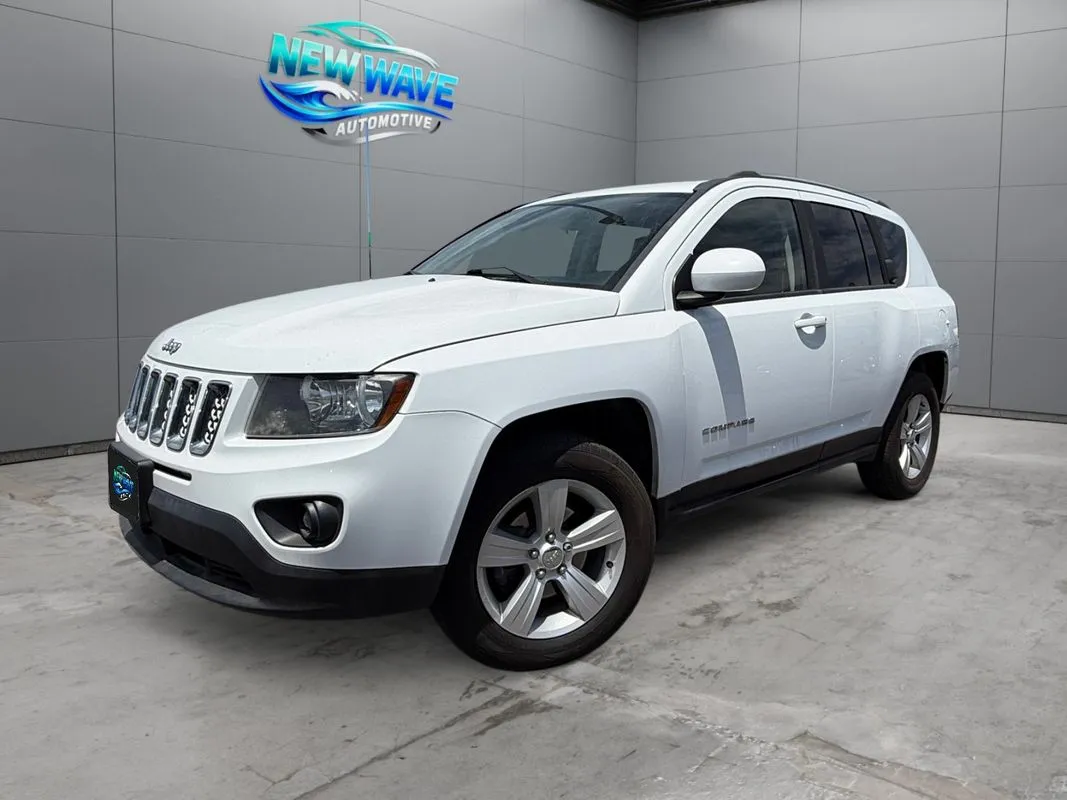
Our inventory covers more than twenty-five makes, from under $15,000 to above $30,000. The range most first car buyers shop usually sits at the lower end of that, for what it's worth. Recent stock has included a 2014 Jeep Compass Latitude near $11,000.
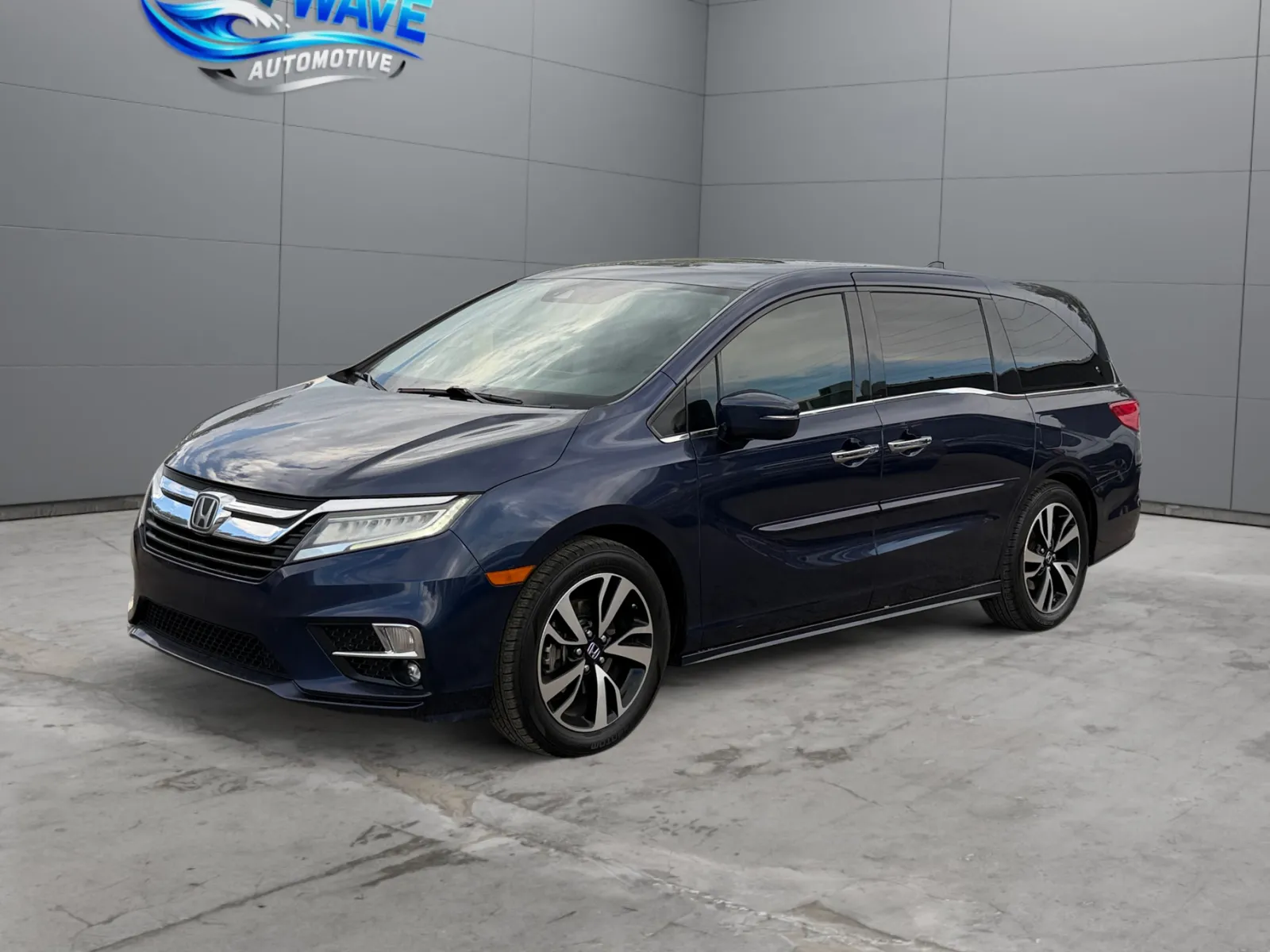
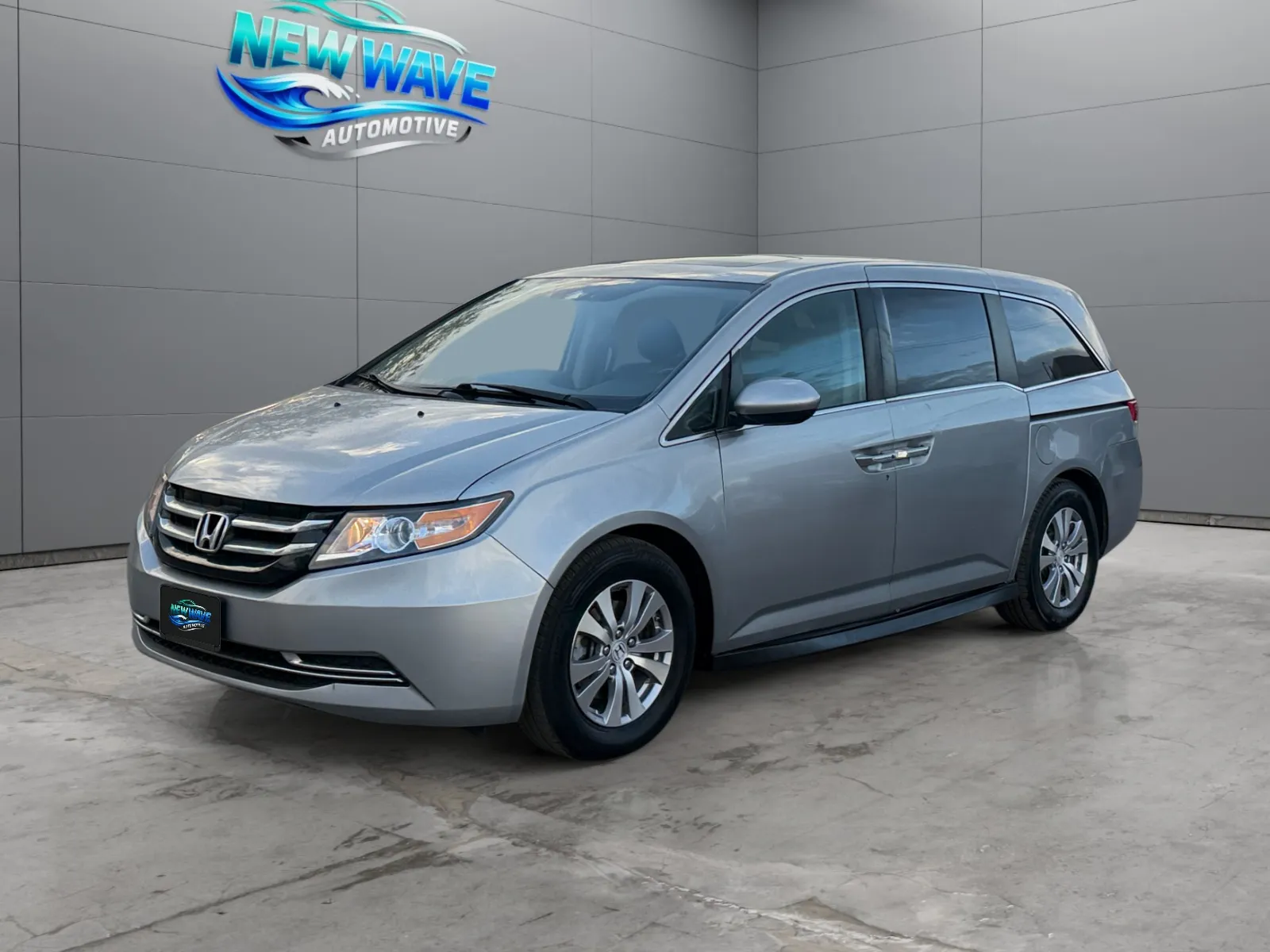
A 2016 Honda Odyssey EX-L came in under $14,000 too. Every vehicle clears a mechanical and safety inspection before listing and carries a free CARFAX report. Submitting the auto financing application before you visit tells you which of those vehicles are actually in range. The $649 dealer handling fee appears right on the listing rather than surfacing at signing.
Terms, Rates and Not Overcommitting
A longer term lowers the monthly payment and raises the total you pay, simple as that. Stretching a first car loan across seventy-two or eighty-four months reaches a comfortable payment. It also means owing more than the car is worth for most of that period. That matters a lot if the car is totaled or you need to sell early.
Work out what you can carry each month before the rate conversation even starts. These four figures are the ones to settle first.
- The total price you can finance, not just the payment you want
- The term in months, and what the total cost looks like at each length
- The down payment you can make without draining your savings
- Insurance for your age and record, which first-time buyers underestimate
Select vehicles carry a free 3-month or 3,000-mile certified warranty backed by AVP. Coverage includes engine internals, the transmission and transfer case, the drive axle, the electrical system, air conditioning, and seals and gaskets. It applies to qualifying vehicles, so just confirm it before signing. It's worth asking about up front, since not every vehicle on the lot qualifies.
Insurance deserves a quote before you choose the vehicle, not after. Rates for a driver with no history vary widely by model. A sporty trim can cost more to insure than the payment difference you were weighing, which catches people off guard.
Call your insurer with two or three candidate vehicles and compare the premiums against each other. That one phone call has changed more first car decisions than any feature list.
Come in with your pay stubs and identification. Our team will work the file with you at the desk and explain each number as it comes up. Most buyers who arrive with their paperwork in order leave with an answer the same day, which is honestly the goal.
Still weighing your options or have questions about financing with no credit? Contact us, and we'll walk through the numbers with you. You can also call us at (303) 639-9283 or stop by the lot at 1262 West Alameda Avenue, Denver, CO 80223. We're open Monday through Friday, 9:00 AM to 8:00 PM, and Saturday, 9:00 AM to 7:00 PM.
Related Topics: